
Why is grass green?
Grass is a familiar sight in natural landscapes, but have you ever pondered why grass is green? This blog delves into the science behind what makes grass green in colour, explores factors influencing its health and colour, and addresses common issues faced by those aiming for a lush green lawn. By understanding what makes grass green, we can better care for our lawns and maintain their beauty.

Author
Steven Taylor

Reviewed By
Leanne Lewis
Updated: 1/22/2026
Published: 7/24/2024
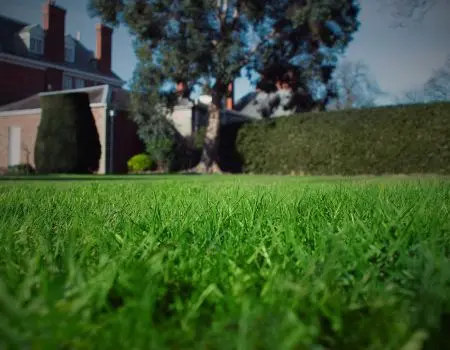
The Science Behind Grass Colour
The vibrant green colour of grass is due to several fascinating scientific processes, primarily involving chlorophyll, a pigment found in the leaves. Chlorophyll plays a pivotal role by absorbing sunlight and converting it into energy through photosynthesis. This pigment reflects green light while absorbing other wavelengths, making grass appear green to our eyes.
Photosynthesis is vital for grass growth and survival. It starts with chlorophyll absorbing sunlight in the leaves, which is then used to convert carbon dioxide and water into glucose. This glucose serves as the plant's primary energy source, and oxygen is released as a byproduct, benefiting our atmosphere.
Let's uncover the secrets of why grass is green

Sunlight plays a significant role in determining the color of grass, as it is essential for the process of photosynthesis. The intensity, duration, and quality of sunlight directly influence the production of chlorophyll, the pigment responsible for the grass's green color and its ability to absorb energy. When grass receives an adequate amount of sunlight, it can produce sufficient chlorophyll, which leads to lush, vibrant green foliage that signals a healthy, thriving lawn.
On the other hand, when grass does not receive enough sunlight, whether due to shading, seasonal changes, or obstructions, it struggles to produce enough chlorophyll, resulting in a pale or yellowish appearance that indicates poor health and a lack of necessary nutrients.
Factors Influencing Grass Health and Colour
The lush green colour of grass adds beauty and vibrancy to any outdoor space. Several factors contribute to grass health and colour, including soil quality, pH levels, along with watering and irrigation practices.
Soil Quality and pH Levels:
Grass thrives in well-draining soil rich in organic matter. The pH level of the soil also affects grass colour. Grass prefers slightly acidic soil with a pH range of 5.5 to 7. If the soil pH is too high or too low, it can impact nutrient availability, limiting the absorption of essential minerals like nitrogen, which directly influences the greenness of the grass.
Watering and Irrigation Practices:
Proper watering ensures that grass receives the right amount of moisture. Overwatering can lead to shallow root growth, promoting weed growth and fungal diseases, while underwatering can cause grass to turn brown and dry out. The key is to watering is to ensure the soil does not completely dry out but dries enough to encourage deeper root growth, making your lawn more resilient to drought and temperature fluctuations.
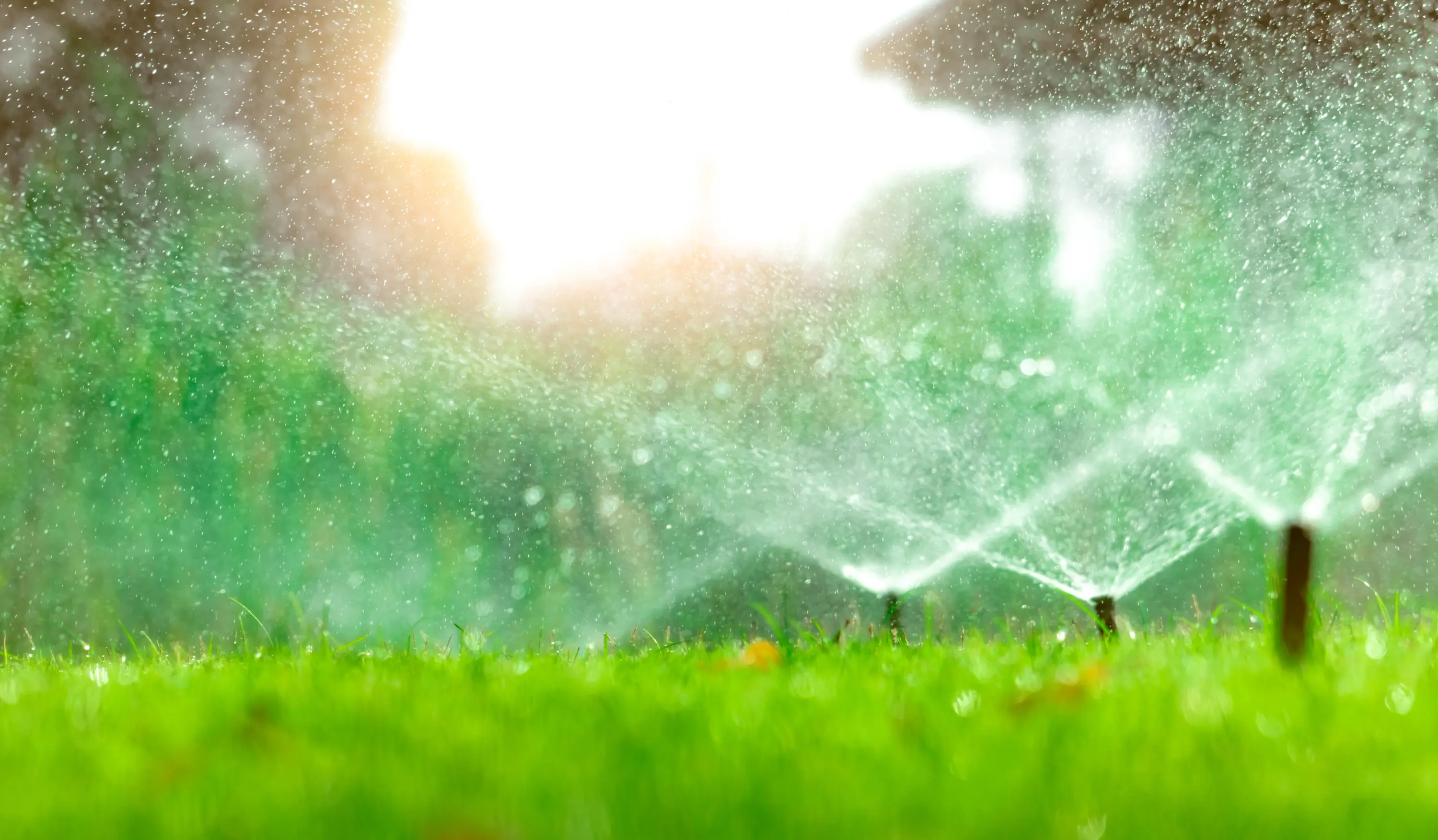
A sprinkler system waters a GreenThumb lawn, ensuring vibrant and healthy grass
Common Issues and Solutions for Green Grass
Achieving a lush green lawn is the dream of many homeowners. However, several common issues can hinder the vibrant green colour of your grass. Here are some of the most frequent challenges and solutions:
Grass Diseases and How to Treat Them:
Grass diseases can cause discolouration and patches on your lawn. Common diseases include dollar spot, Red Thread, and brown patch. Look for symptoms like discoloured or thinning grass, circular patches, or fungal growth. Treating grass diseases involves proper lawn care practices such as regular mowing, watering, and fertilising. Aerating the lawn to reduce soil compaction and applying fungicides when absolutely necessary can also help.
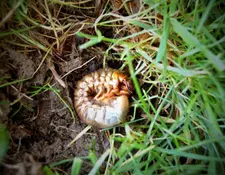
Dealing with Pests and Insects:
Pests and insects, such as Chafer Grubs and Leatherjackets, can cause severe damage to grass. Signs of infestation include wilting, yellowing, or dying grass, and the presence of insects. If left untreated, these pests can destroy the root system of your lawn, leaving it vulnerable to further damage. Professional treatments from companies like GreenThumb can effectively manage pest problems through targeted herbicide applications or natural solutions.
Conclusion: Keep Your Lawn Lush and Green
Maintaining a beautiful, green lawn requires understanding the factors that influence grass health and addressing common problems like diseases, pests, poor mowing, and poor watering practices. By ensuring proper sunlight, soil quality, and a balanced lawn care routine, you can keep your grass healthy and vibrant.
For professional care, lawn care services like GreenThumb can help keep your lawn in top shape year-round with expert advice, treatments, and ongoing maintenance, ensuring your lawn stays the envy of the neighbourhood.
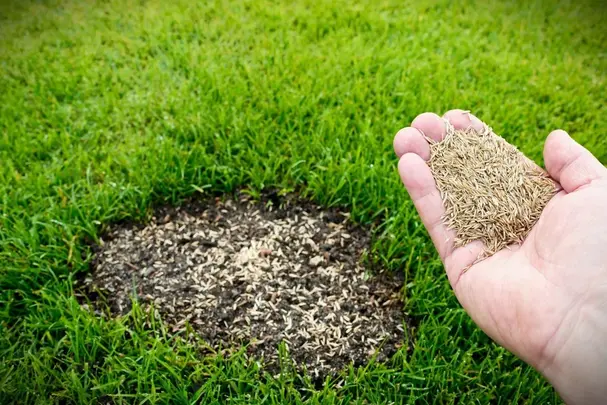
Types of Grass
Choosing the right type of grass can make a big difference in how your lawn looks, feels, and grows. Visit our blog to learn about the different types of grass and find the best one for your lawn.
Read More
How to level a lawn
Our guide on how to level a lawn provides step-by-step instructions for correcting uneven surfaces and improving your lawn’s appearance. Covering techniques like top dressing and filling in low spots to create a smooth and even lawn.
Read more
Improves Water Efficiency
Oasis helps your lawn make the most of every drop by retaining moisture deep in the soil, keeping your grass nourished and hydrated for longer.
Read More