
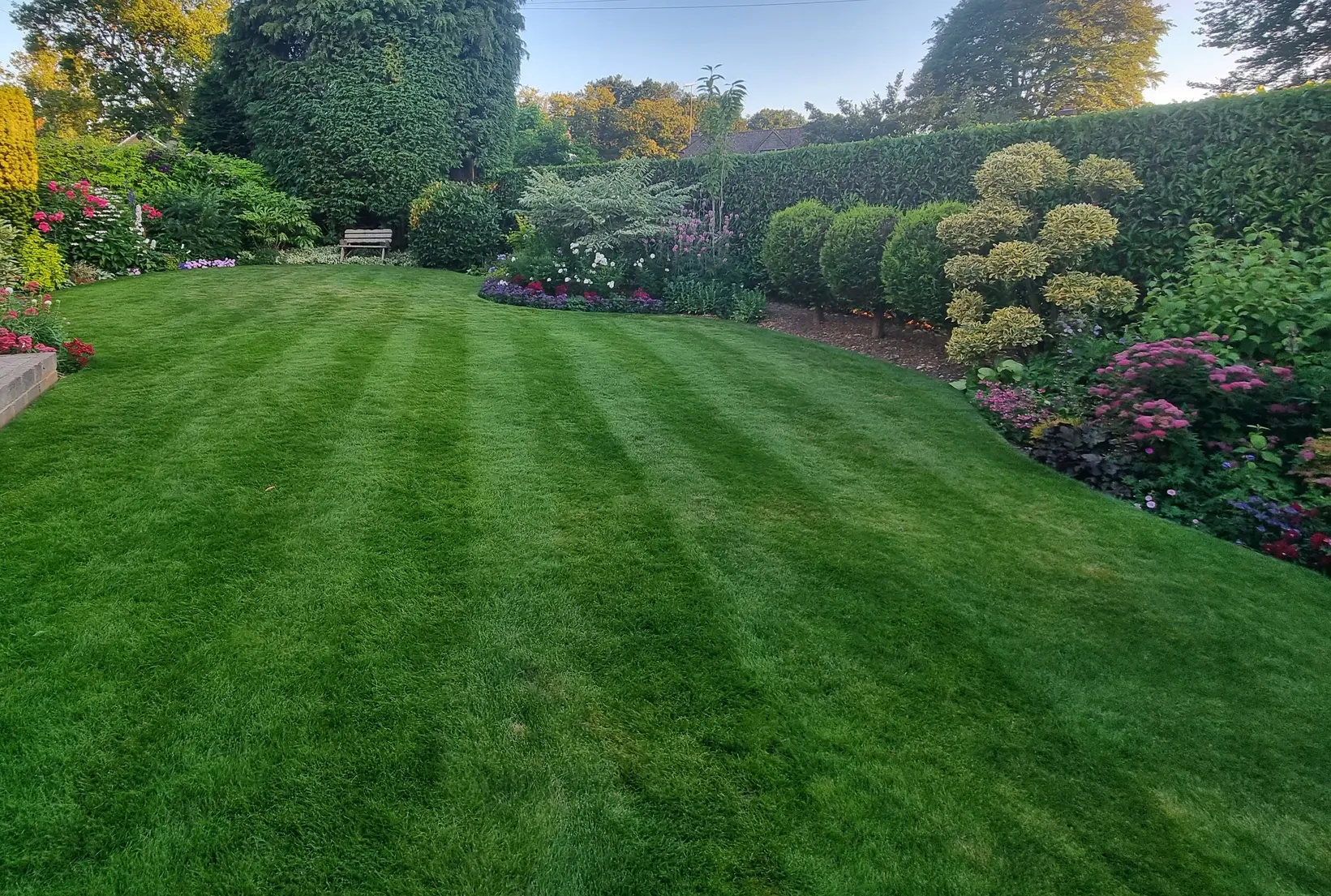
What is lawn disease — and how does it affect your grass?
Lawn disease comes in many forms, most of which are caused by fungi that attack the grass and disrupt healthy growth. Common diseases like Red Thread, Fusarium, Leaf Spot, Snow Mould, and Rust can lead to discolouration, brown patches, and weakened grass. Left untreated, these infections can spread quickly and even kill the lawn in affected areas, leaving bare or unsightly patches behind.
What Causes Lawn Disease?
Grass plants become vulnerable to disease when they experience stress, which compromises their ability to fight off pathogens like fungi. Stress can come from a variety of environmental and maintenance-related factors. Some of the most common causes include:

Drought and Watering Issues: Insufficient or uneven watering can weaken your lawn, especially during dry periods, leaving it prone to disease. Over-watering, on the other hand, creates a damp environment that can promote fungal growth.
Moss: Moss thrives in areas with poor air circulation, excessive moisture, and low light. It competes with your grass for space and nutrients, creating a breeding ground for disease.
Soil Compaction: When the soil becomes compacted, it restricts root growth and reduces water and nutrient absorption, leaving your lawn stressed and more susceptible to disease.
Incorrect Mowing Practices: Mowing your grass too short makes it more vulnerable to fungal infections. Additionally, using dull mower blades can cause injury to the grass, increasing its susceptibility to disease.
Improper Fertilisation: Too much or too little fertiliser can also stress your lawn, creating ideal conditions for lawn disease to take hold. An unbalanced nutrient supply can weaken the grass, making it less resilient against disease.
Worried About Patches or Discolouration?
Let our lawn experts take a closer look.
Get tailored advice and the right treatment to restore your grass.
How Can GreenThumb Help?
At GreenThumb, we believe that a healthy lawn is the best defence against lawn diseases. That’s why we offer comprehensive services to help prevent and treat lawn disease, ensuring your lawn remains lush and vibrant all year round.
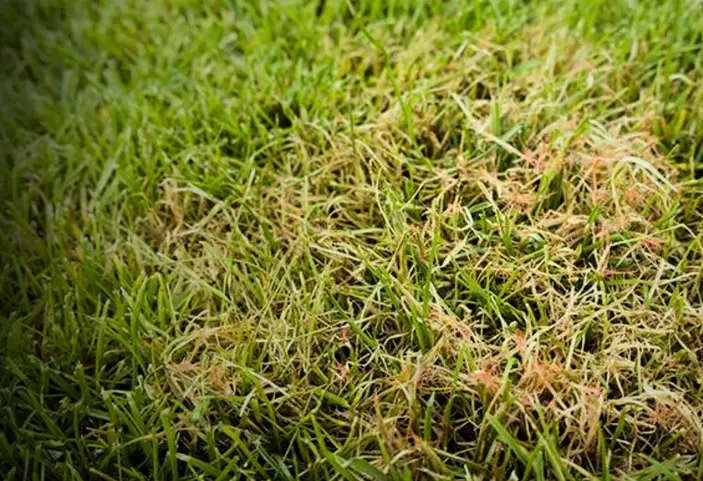
Red Thread
This can be recognised by a pink/reddish tint on the grass blade. On closer inspection, very fine needles can be identified protruding from the grass blades. In very severe cases you will see pink mycelium, almost like small flocks of cotton wool.
Although high humidity is the main cause of Red Thread. It can also be seen in lawns affected by a poor cutting regime, drought, thatch, compaction or lack of feeding. Regular lawn treatments, correct mowing and programmes which reduce thatch will help to keep it in check.
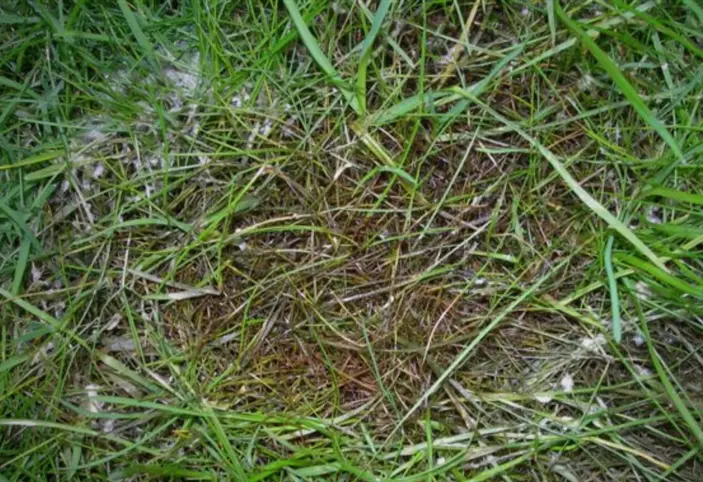
Microdochium Patch (Fusarium)
Microdochium Patch (Fusarium) is another very common lawn disease, seen mainly, but not exclusively, during the autumn and winter months. This is a cool weather disease and enjoys persistent drizzle and foggy/misty conditions with low air movement.
Symptoms appear as small, circular, yellow patches which can spread up to about 30cms in diameter. Once established, the patches turn a yellow/brown colour and in severe cases can kill the grass. After the disease becomes inactive, the area appears pale and straw-like.
Lawns that have a high thatch layer and poor drainage, as well as enclosed lawns with little air movement, are the most susceptible to this disease.
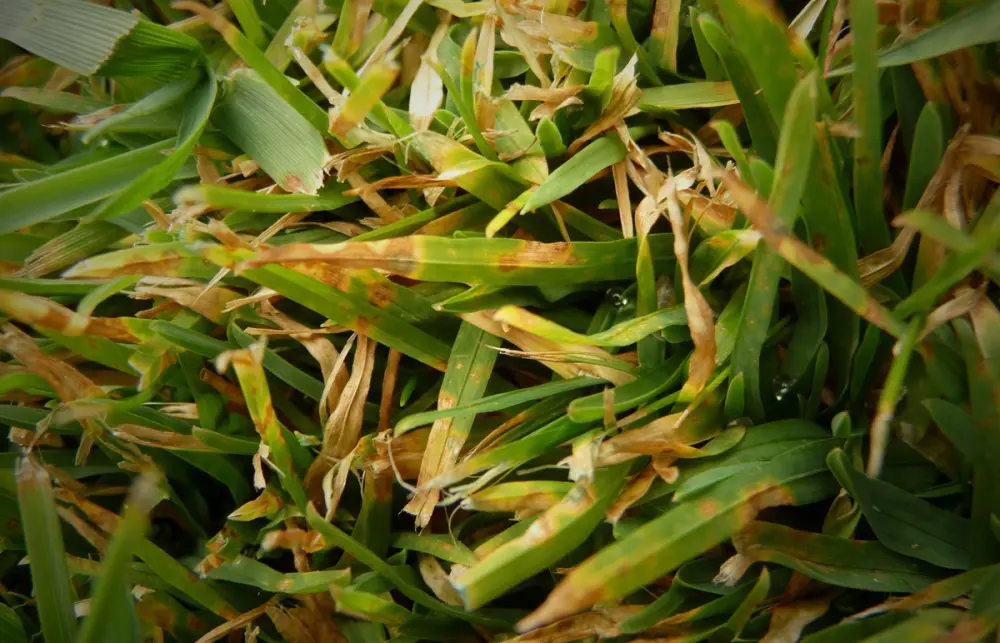
Leaf Spot
Leaf Spot is a very common lawn disease that affects lawns across the UK. It can also be known as leaf blight or net blotch. The disease can be caused by numerous different fungi and spreads rapidly. Warm and humid weather conditions are favoured by this disease and spores of the fungi are disseminated by water splash.
A stressed plant is more likely to be affected than a healthy one, so ensuring the grass is well fed and watered will help. Also ensure the mower blades are sharp and do not cut the grass too short. If the lawn suffers from thatch, consider having machine work - Aeration and Scarification will help to keep the sward healthy, thus reducing the likelihood of disease.
There are other pests that you may come across and your local operator will be able to advise you accordingly.
Treat & Prevent Lawn Disease—Start Today
Join GreenThumb and protect your lawn with expert treatments that not only fix problems but help stop them coming back.
Rust
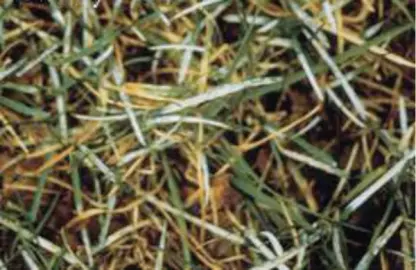
This is possibly one of the oldest known turf diseases. It attacks the leaf plant and causes extensive damage. It rarely attacks the whole plant, so recovery is usually good.
This disease thrives on plants suffering from stress, and is most prevalent in autumn or early spring, when the weather is warm and wet.
If your lawn is looking under the weather, tired and not the right colour, speak to your local GreenThumb expert who will be able to offer great advice and solutions.
Snow Mould
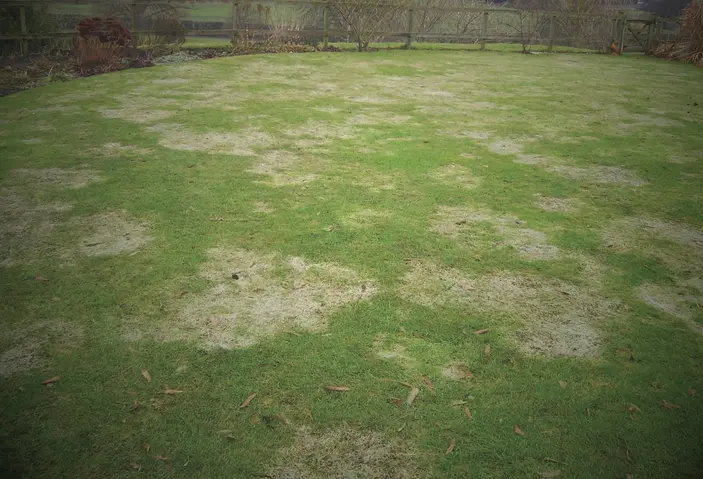
Very closely related to Microdochium Patch (Fusarium) is Snow Mould, another cool weather disease that thrives in lawns with poor air circulation. This fungal disease spreads rapidly during cool weather, especially under a blanket of snow, where there is no air circulation. When snow settles on a lawn for any length of time, it incubates the disease which can only be seen once the snow has melted.
The fungus produces white patches on the grass which, in severe cases, can turn pink. It is not possible to keep snow from the lawn so be prepared to deal with this once the snow has melted. What will help is to get the air moving in the lawn as quickly as possible, so a hollow-tine aeration can help, along with an application of a micronutrient to help the grass. The other option is an application of a fungicide which will stop its activity and, as the weather improves then, if necessary, action can be taken to help with the recovery of the lawn.
Dollar Spot
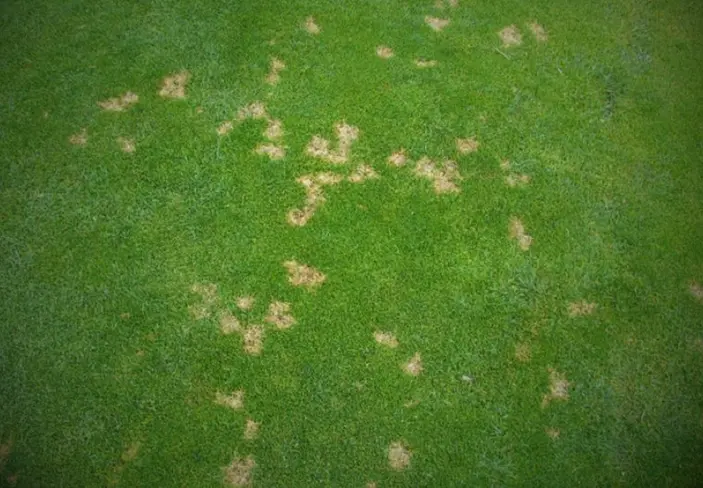
It was always thought that this disease was not found extensively in the UK, however reports are indicating that it is more prevalent than first thought. The fungus that causes this disease is known as Sclerotinia Homoeocarpa.
Patches are usually very distinctive and often circular, and can coalesce to form large affected areas. Within the patches, dead grass is bleached white or straw coloured and they may also be sunken.
Conditions which favour this disease are warm and humid, plus heavy dews and low nitrogen nutritional levels. The disease also favours certain grass species such as slender or creeping red fescues. It has also been identified on many other species but these seem to be the most susceptible.
Culturally, the best advice is to cut the grass regularly at a high setting with a sharp blade, ensuring that there is not a lot of thatch present in the turf surface.
The best results are always achieved when the turf surface is kept dry, so aeration may also play an important role.
Due to the fact that it is also encouraged when nitrogen levels are low, fertilising is important, particularly on light sandy soils, due to the potential for leaching.
The other approach to control is the use of an approved fungicide; the key to this working correctly is application and timing. The product that we use is an azoxystrobin, which works by systemically moving through the plant not only as a cure, but working to keep the plant healthier for longer.
In cooler weather, the suggested fungicide is Fludioxonil. As a contact this will work better during the dormant part of the season.
*Figures shown are approximate and based on available data. For illustrative purposes only.
Further Reading
Explore more expert tips, seasonal advice, and common lawn care questions to help you get the most out of your garden all year round.
Lawn Problems
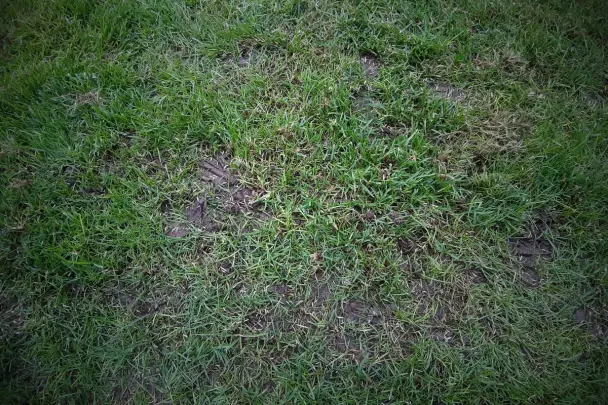
If you're noticing brown patches, weeds, or thinning grass, it’s important to identify the root cause. Lawn problems can stem from various factors, and understanding what’s affecting your grass is the first step toward a solution.
Read More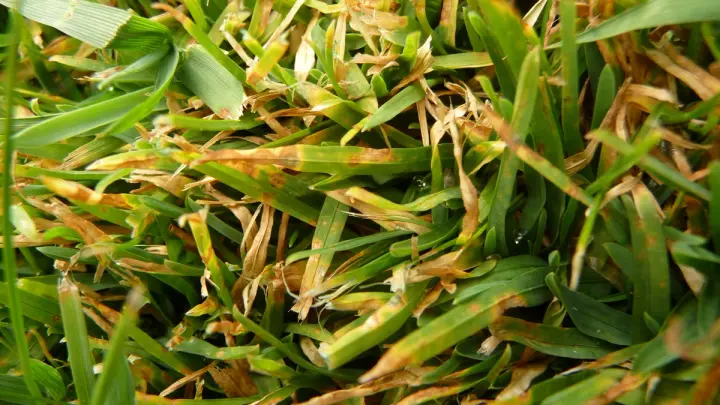
Why Lawn Turns Yellow
Yellow grass can stem from nutrient loss, poor watering, pests, disease, or seasonal stress. Mowing, fertilising, watering, aeration, and reseeding help restore and maintain a lush green lawn.
Read more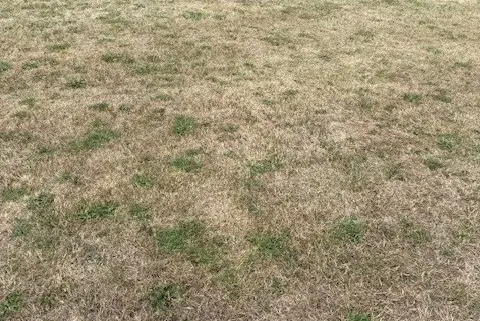
Lawn Care and Heat Waves
During heatwaves, protect your lawn by raising mower blades, mowing less, and watering deeply in the morning or evening. Use shade, limit foot traffic, and apply treatments like Oasis or NutraBooster to boost resilience and help grass recover from heat stress.
Read More