

Just like any living organism, grass needs water to survive. Watering your lawn promotes growth, helping to develop roots, stems, and leaves leading to a thicker and lusher lawn. Without enough water, grass can suffer from drought stress, which can lead to browning, wilting, and even death of the grass plants. Watering your lawn also facilitates the uptake of nutrients from the soil into the grass roots, which is essential for the overall health and vigour of the lawn.
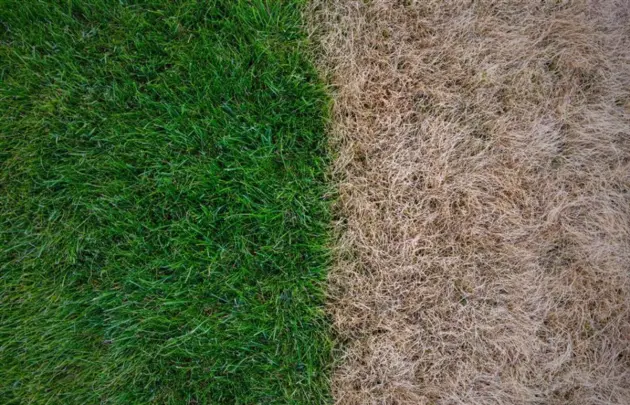
Don’t wait until the soil is too dry before watering as this can make the soil difficult to re-wet. When your lawn is starting to suffer from lack of water the grass will start losing its colour very quickly and turn yellow or brown, this is your sign that your lawn needs watering.
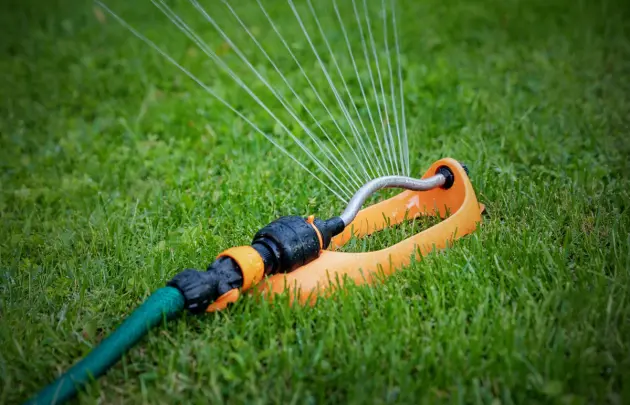
Ensure you apply an adequate amount of water per application, aiming to wet to a depth of at least some 50mm. A minimum application rate of 10 -11 litres per m² is generally suggested, although this will depend upon the soil type and its filtration potential. The average tap varies per water pressure, locally it is 11.5 litres per minute.
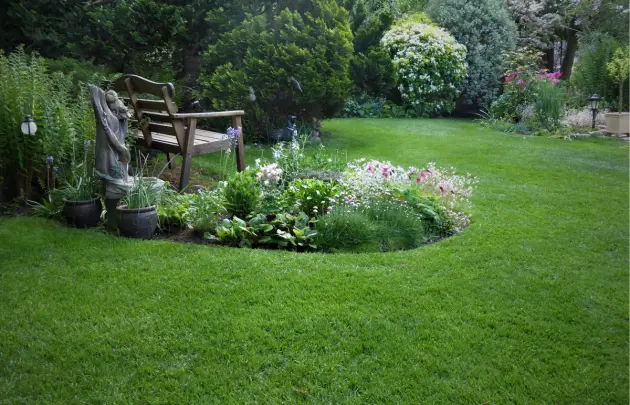
The lawn should be allowed to dry before further watering takes place, as this will encourage deeper rooting of the grass and reduce the potential for disease attack. As a guide, during the main part of the growing season (March to September) we would advise watering on at least 3 occasions per week (when there is no rainfall).

The most efficient time to water is between sunset and sunrise due to less evaporation, less wind, and lower temperatures. Early morning is the next most efficient time to irrigate; watering in the middle of the day is not advised due to the amount of evaporation taking place at this point in the day.
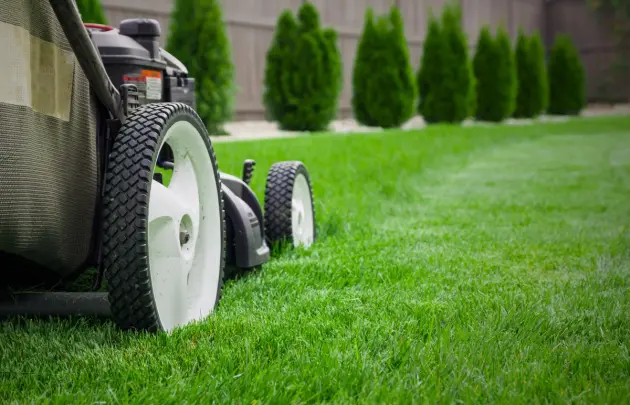
Avoid cutting the lawn in high drought situations unless regular watering is taking place, cutting lawns will increase demand for water which if not there will increase stress on the lawn.

Improving the efficiency of this water management programme is to have the Oasis Treatment applied to the lawn. This will improve the water movement from the surface deeper into the root system and maintains a good environment for the grass to survive through the dry period.
Is Your Lawn Looking Dry or Tired?
Sign up online to one of our Lawn Care Programmes and our experts will assess your lawn on the first visit. Every programme includes our Oasis treatment, a moisture-retaining solution designed to reduce the need for watering and keep your lawn green and healthy for longer
Drought Stress in lawns
Drought stress occurs when the grass is not receiving an adequate amount of water to sustain its health and growth. This condition arises during periods of extended dry weather or insufficient watering.
If your lawn is suffering from drought stress grass blades may appear limp, folded, or curled as a result of water loss and dehydration. They may also turn yellow, brown, or straw-like in colour as it becomes dormant in an attempt to conserve moisture. Grass density may also decrease as individual blades die off due to lack of water, resulting in sparse areas or patches in the lawn. Grass growth will also slow down or cease altogether as the plant redirects its energy to essential functions such as root survival.
Drought-stressed lawns are more vulnerable to pests and diseases, as weakened grass plants are less able to defend themselves against these threats.
If your lawn is suffering from drought stress we recommend:
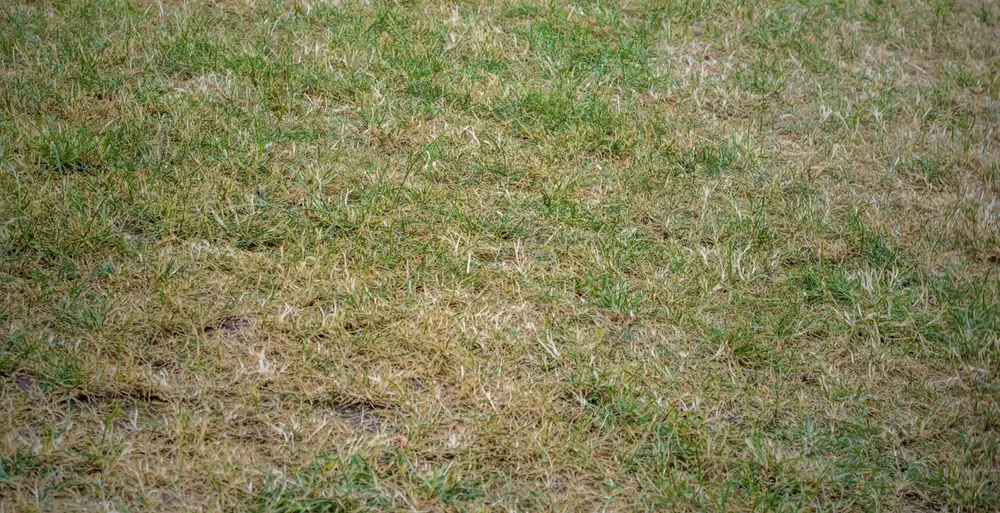

Giving your lawn a deep watering to replenish moisture in the soil.
Avoid mowing your lawn as much as possible. Mowing can stress the grass further and increase water loss through evaporation.
If possible, provide temporary shade for your lawn using shade cloth or temporary structures to reduce water loss through evaporation and protect the grass from excessive heat.
By following these steps, you can help your lawn recover from drought stress and promote its overall health and resilience to future dry periods.
Frequently Asked Questions
Further Reading
Want to get even more from your lawn? These articles offer extra insights into boosting growth, improving water efficiency, and making the most of our Oasis treatment.

Improves Water Efficiency
Oasis helps your lawn make the most of every drop by retaining moisture deep in the soil, keeping your grass nourished and hydrated for longer.
Read More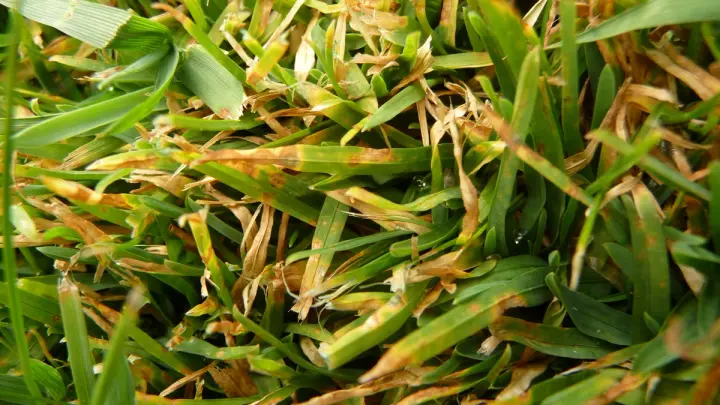
Why Lawn Turns Yellow
Yellow grass can stem from nutrient loss, poor watering, pests, disease, or seasonal stress. Mowing, fertilising, watering, aeration, and reseeding help restore and maintain a lush green lawn.
Read more
Why should I treat my lawn?
Lawn treatments are essential for keeping your lawn healthy and vibrant, tackling issues like pests, disease, and nutrient deficiencies. GreenThumb’s tailored treatments keep your lawn lush, green, and strong all year round.
Read More