
Lawn Pest Control, Management & Treatment
We are often asked how to get rid of grass-eating bugs as lawn pests have the potential to devastate your once vibrant and healthy lawn, transforming it into patches of discoloured and lifeless turf. Prompt treatment of lawn pests is crucial, as the severity of infestation directly correlates with the extent of damage inflicted upon the lawn.
Our lawn pest control treatments not only help reduce the number of damaging pests like Chafer Grubs and Leatherjackets, but also support your lawn’s recovery by relieving stress and promoting healthy regrowth.
Don’t Let Lawn Pests Take Over
Get professional pest control solutions designed to protect your grass and restore your lawn’s health.
How to identify pests in your lawn:
Leatherjackets
You may notice the Leatherjacket grubs coming out of the grass or you may see damage along the borders of your lawn. At the start of the infestation, they eat the grass roots from the outside of the lawn inwards.
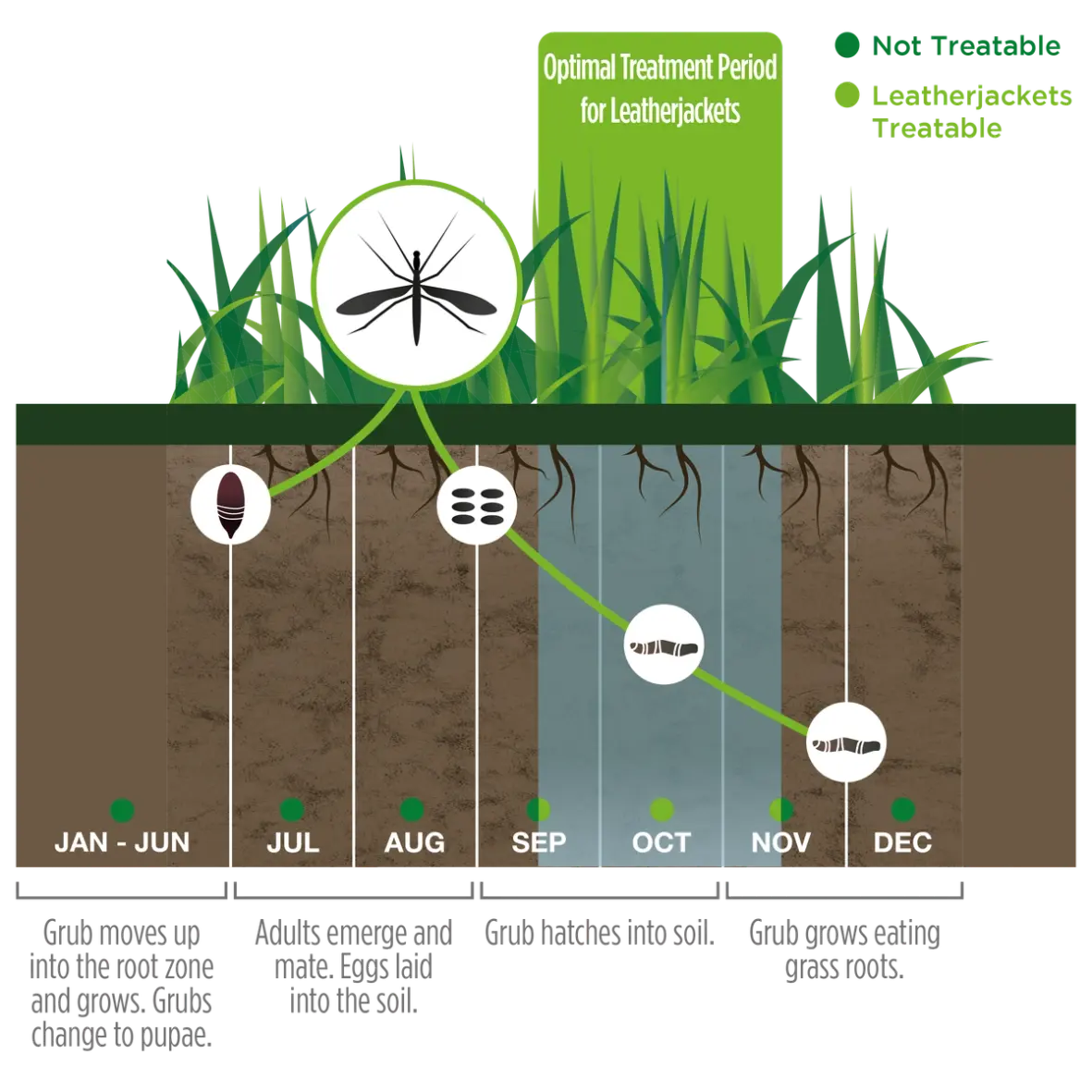
The Leatherjackets lifecycle starts when the female lays her eggs in the lawn around September, they hatch 2-3 weeks later. By February/March, the pests will have grown, and the damage will be much more extensive. Quite simply, the higher the number of Leatherjackets visible on the surface of the lawn, the larger the infestation. The most effective time to treat, is when the grubs are small.
(Did you know? The adult is known as the Crane Fly or Daddy Long Legs and at the larvae stage of the life cycle this creature is called a Leatherjacket).
Chafer Grubs
When you have Chafer Grub damage your lawn may lose colour in a certain area, appearing pale green, as opposed to its normal colour; these can start off as patches. Additionally, external damage can be caused by birds, badgers, etc. who will pull the lawn up to eat the grubs.
If you pull at your lawn and it lifts easily from the soil, you may see grubs near the surface. This most likely means that you have a Chafer Grub infestation and need our Pest Management Treatment.
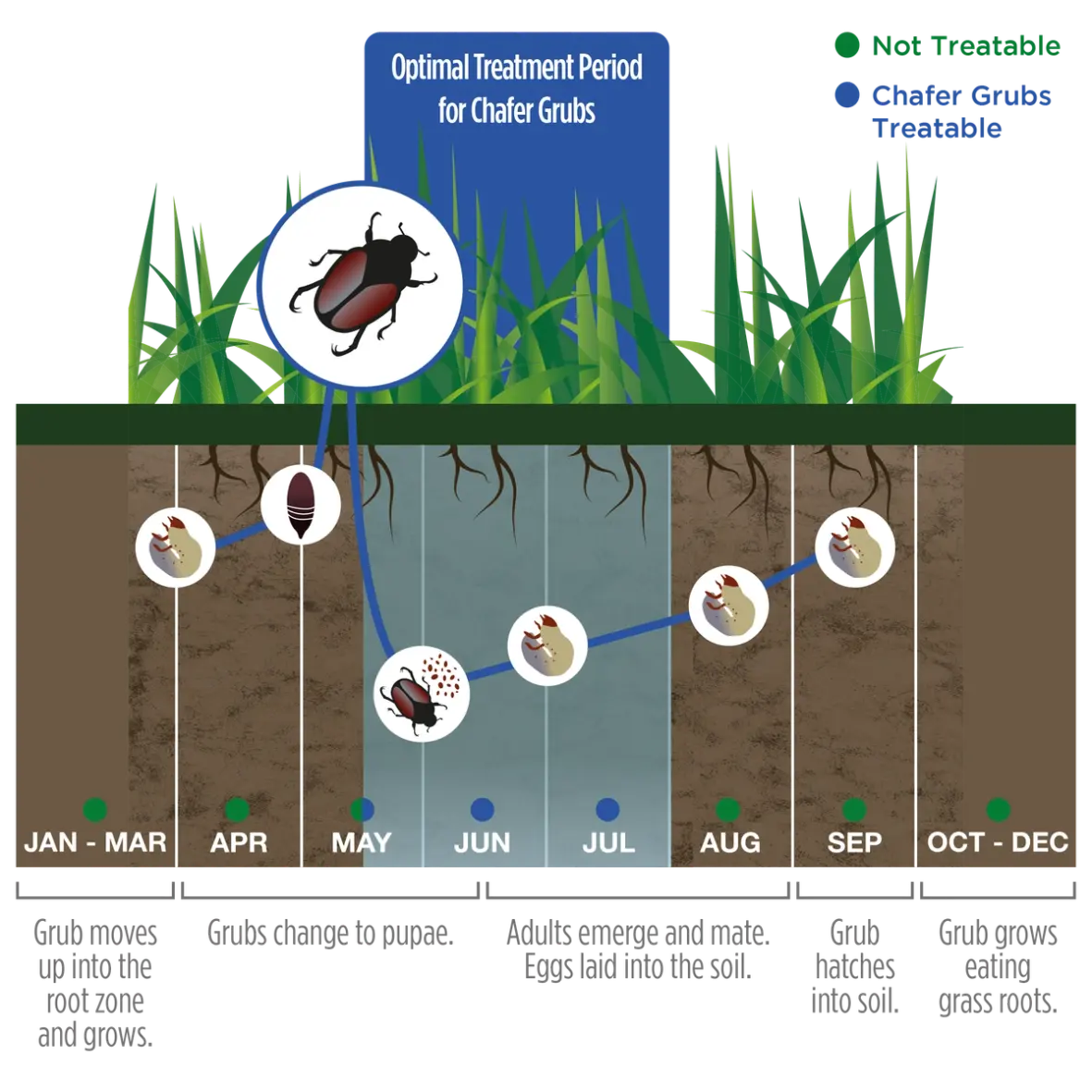
Between mid-July and October is when Chafer Grubs are most active, although dependent on weather conditions, this period could be even longer. The optimal treatment period is when they’re at their smallest - between mid May and July.
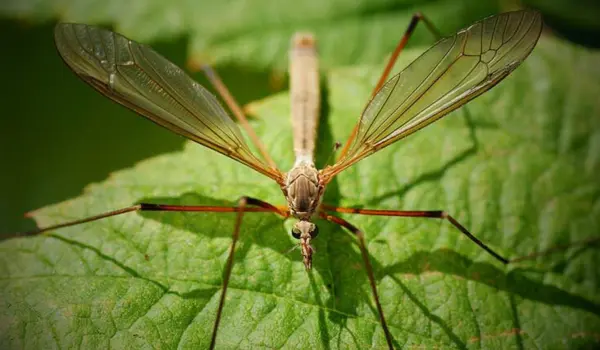
Crane Fly (Daddy Long Legs)
Seeing lots of Crane Flies? This may signal a coming Leatherjacket infestation beneath your lawn. Crane Flies lay eggs in lawns, which hatch into Leatherjackets—root-feeding larvae that can cause significant lawn damage.
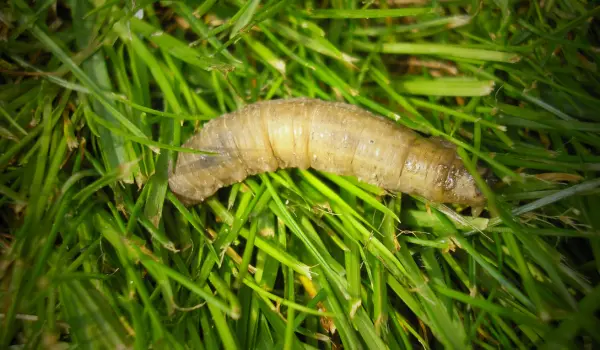
Leatherjacket
Leatherjackets are the larvae of Crane Flies and feed on grass roots just below the surface. Leatherjackets typically range in size from approximately 1 cm when newly hatched to up to 4 cm when fully grown.
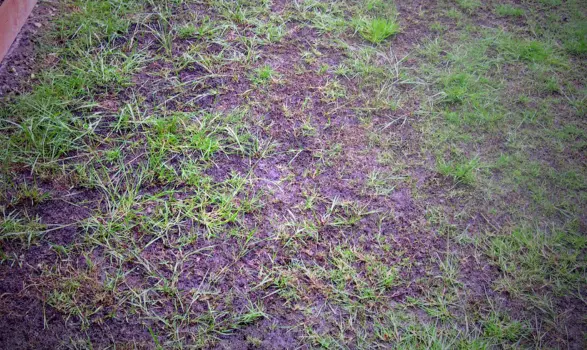
Patchy Lawn Damage
Thinning grass and uneven patches like this often indicate root damage from Leatherjacket activity. The presence of Leatherjackets often attracts birds and other predators, which can further disturb the lawn while foraging for these grubs.
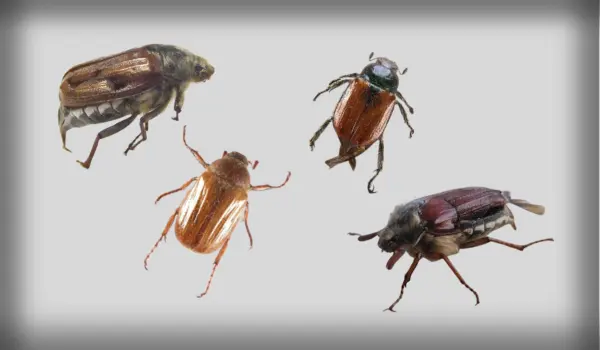
Chafer Beetle
Several species of chafer beetles are present in the UK. These beetles lay eggs in lawns during late spring to early summer. Observing a significant number of these beetles around your lawn may indicate a potential for chafer grub infestation, as their larvae feed on grass roots, leading to lawn damage.
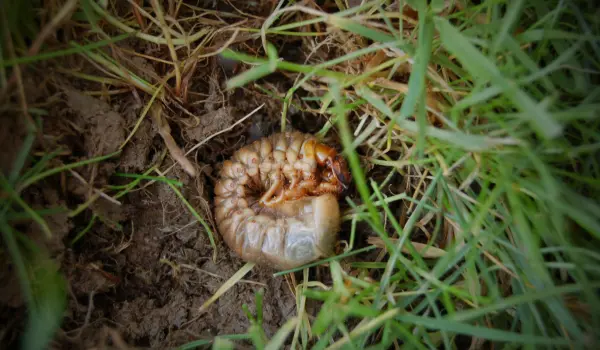
Chafer Grub
Chafer Grubs grow from around 1 cm to 3 cm long and feed on grassroots, causing thinning, yellowing, and damage to lawns from below. You can often spot them by lifting damaged turf to inspect the soil beneath.
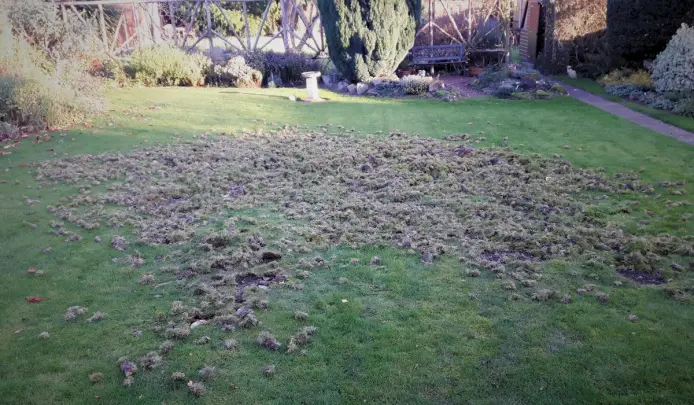
Lawn Damage
Chafer Grubs feed on the grassroots beneath your lawn, weakening the turf and causing it to lift and die off in patches. This damage is often significantly worsened by birds, badgers, and other animals digging into the lawn to feed on the grubs hidden in the soil.
Damage Caused by Lawn Pests
Ignoring these pests can lead to irreversible harm, jeopardising the beauty and health of your outdoor space.
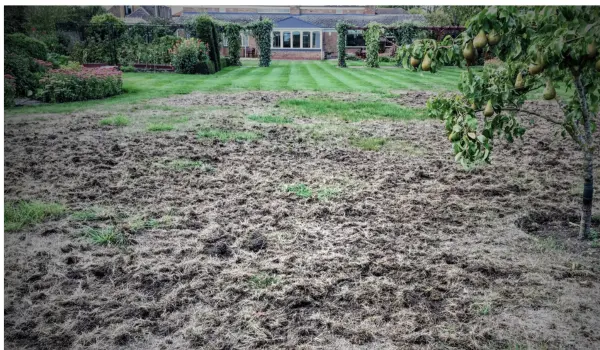
Large areas of dead grass caused by Chafer Grubs feeding on lawn roots and attracting wildlife.
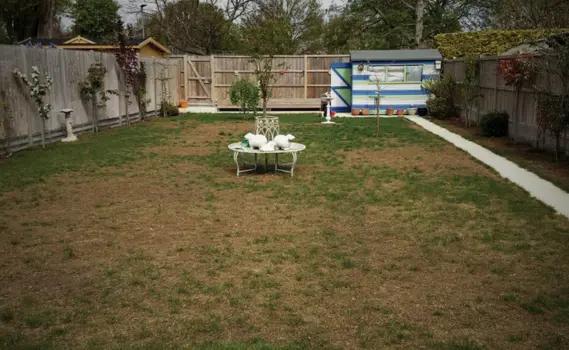
Extensive thinning and patchy growth caused by Leatherjackets feeding heavily below the soil surface.
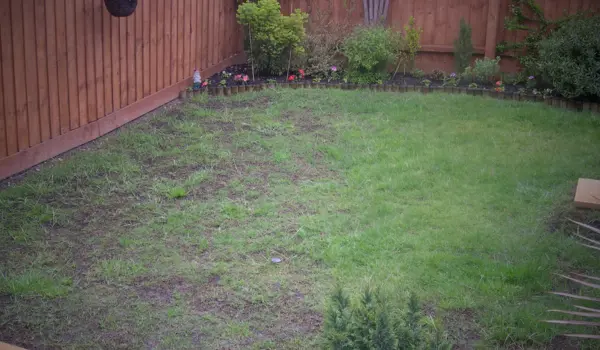
Early Leatherjacket damage starting at lawn edges, where pests typically begin feeding on roots.
Understanding Lawn Pest Control
Watch our short explainer video to learn how lawn pests develop, the signs to look out for, and how our professional treatments help protect your grass from long-term damage.
Treating at the Right Time is Crucial
Understanding Lawn Pests: When to Treat for Best Results
The graphic below shows the lifecycle of two common lawn pests—Chafer Grubs and Leatherjackets—and identifies the most effective times for treatment. Timing is important, as control methods work best when these pests are at an early stage in their development.
Concerned About Lawn Pests?
Book a lawn assessment today and let our experts identify and treat Chafer Grubs or Leatherjackets, before they cause serious damage to your grass.
*Figures shown are approximate and based on available data. For illustrative purposes only.
Expert tips, product updates & local lawn care advice
Seasonal tips, product updates and special offers from your local lawn care experts.
Lawn Pest Control Treatments
We are proud to offer a range of Pest Management Treatments which have all been designed to deter lawn pests and lawn bugs, reducing damage and helping your lawn recover.
Depending on the severity of the infestation and the lifecycle of the grubs, we offer several effective solutions:
NutraShield Pest Control
As the name suggests, this lawn pest control treatment shields the grass from the damage which can be caused by the pests we find in lawns in the UK. The product we use is effective at reducing the numbers of grubs in the lawn so limits damage and supports growth for the next season.
BioStimulant Treatment
Our BioStimulant Pest Management Treatment support the recovery of your grass after a pest attack. This treatment can also deter the pests from eating the plant, reducing further damage.
Nematode Application
Our nematode lawn pest control treatment helps to manage the grub population in your lawn. Nematodes are microscopic worms which are applied to the lawn while the grub is quite small. This is an effective treatment that helps manage the grub population.
Your GreenThumb Lawn Operative will carefully evaluate your lawn’s condition and recommend the best treatment, or even a combination of treatments most suitable to your lawn’s needs.
To ensure the best outcome, we advise you to take action as soon as you spot crane flies (also known as daddy long-legs) on your lawn. This is the right time to reach out to your local GreenThumb branch. Treating the grubs at an early stage significantly enhances the speed and effectiveness of your lawn’s recovery process.
As well as our range of Lawn Service Pest Control Treatments, our routine NutraGreen treatments also play a role in speeding up the recovery process, so your lawn can get back to its lush, healthy self.
Frequently Asked Questions
Further Reading
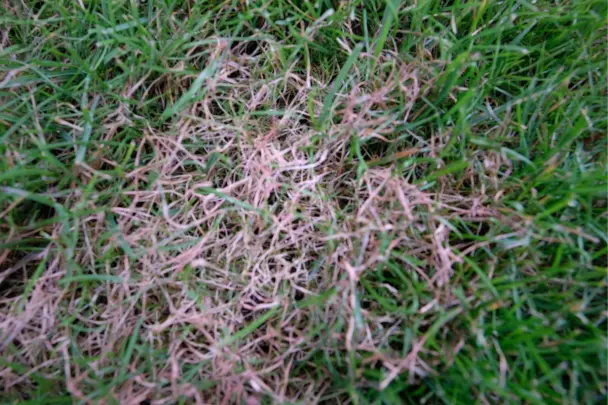
Lawn Disease Management
Focusing on combating common turf diseases like red thread and fusarium patch, using fungicides and cultural practices to reduce infections. These treatments help restore lawn health and promote long-term recovery.
Read MoreLeatherjackets
Green Thumb’s Leatherjackets in Your Lawn blog explains how leatherjacket larvae can damage your turf. It provides expert advice on identifying and treating these pests, helping you keep your lawn healthy and free from infestations.
Read More
Lawn Refresh
Lawn Refresh is a six-step treatment designed to revive tired, patchy lawns through scarification, aeration, overseeding, and fertilisation. It’s an effective alternative to re-turfing, restoring your lawn’s health, density, and appearance.
Read More