
What to do with fallen leaves
As autumn paints the world in golden hues, there’s something undeniably magical about the gentle fall of leaves. But while they might create a beautiful seasonal scene, letting them pile up on your lawn can quietly do more harm than good.
Many homeowners wonder, “Should I remove leaves from my lawn?” The answer is yes - and not just for appearances. In this blog, we’ll explore why it’s important to keep your lawn leaf-free during the cooler months, and how those fallen leaves can be transformed into valuable resources for your garden and home.
From mulching and composting to creative DIY crafts, you’ll find smart, sustainable ways to make the most of autumn’s natural gifts, all while keeping your lawn healthy and spring-ready.

Author
Jade Ivory

Reviewed By
Leanne Lewis
Updated: 3/25/2026
Published: 11/28/2024

Leaves on your lawn
With Autumn in full swing, trees gracefully shed their leaves and our lawns take on a dark, rich shade of orange. Although the colder weather may tempt you to let nature run its course, allowing leaves to build up can damage your lawn.
People often ask, “Should I remove leaves from my lawn?” In this blog, we answer that question—exploring the importance of removing fallen leaves and the many creative ways you can put them to good use. If you’d prefer not to tackle it yourself, our Seasonal Tidy Up Service can take care of leaf clearance and prepare your lawn for the months ahead.
The Importance of Leaf Removal
Allowing leaves to gather on your lawn can block out sunlight and air which your grass needs to survive. At GreenThumb, we advise you to remove the leaves from your lawn daily or at least once a week – your GreenThumb Lawn Operative and lawn will be thankful!

Leaves left to accumulate on your lawn can smother the grass beneath, depriving it of vital sunlight and oxygen. This can lead to a weakened, patchy lawn come spring.
A thick layer of wet leaves can create a cozy breeding ground for fungi and diseases that can harm your grass. Leaf removal helps maintain a healthy lawn.
Removing leaves allows your grass to continue growing and helps it establish a strong root system for the following year.
What to do with Fallen Leaves
Mowing:
Simply mowing the leaves is the easiest solution to your leaf problem. By mowing the leaves, you’re compacting and mulching them at the same time, allowing them to decompose much quicker.
Leaf Mulch:
Similar to mowing, Leaf Mulch is a layer of shredded leaves that is applied to the surface of the soil.
It is super easy to do and is a great alternative to throwing them away. You need to collect any fallen leaves, avoiding any that are diseased. Then shred the leaves as much as you can and simply spread around and over your plants and flower beds – 2 to 3 inches thick avoiding the stem.
Leaf Mulch has several benefits. Not only will it preserve your garden’s soil from erosion, it also works as a barrier preventing weeds and other grasses from growing. It can also act as insulation for plants, animals, and insects, specifically, useful in safeguarding worms from prey.
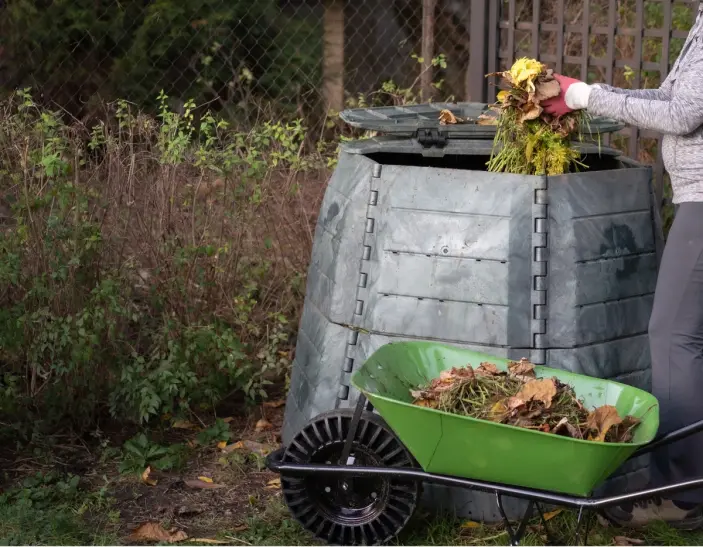
Turn fallen leaves into nutrient-rich compost to boost your garden’s soil health naturally.
Compost:
Fallen leaves are a fantastic addition to your compost pile. Given a little time, Autumn leaves make a rich, organic compost that adds nutrients to the garden’s soil. In your compost bin, you need to ensure the leaves are moist, mixed with green material such as grass clippings or food scraps, and turned and watered regularly to allow oxygen to circulate.
Making compost from leaves does require patience and time. It can take up to 12 months for a thick black compost. But if you persevere, it is great for your plants, flowers, and lawn.
Insulation:
Bags of leaves can act like insulation. If you dry out as many leaves as you can, bag them tightly together and then store in cold areas of your home, including the garden shed. These bags of leaves will then help keep the space warm during winter. By doing this, it will also give you a rich source of brown material for your compost bin the following year!
DIY Crafting:
Get creative with your leaves! Use them for crafting projects like leaf garlands, wreaths, or pressed leaf art. They're perfect for seasonal decorations. Country Living have many great ideas on how you can get your craft on with leaves: https://www.countryliving.com/diy-crafts/g1899/fall-leaf-crafts/
While the sight of fallen leaves is beautiful, their impact on your lawn’s health shouldn’t be underestimated. By removing them and exploring creative ways to repurpose them, you’ll not only maintain a lush, healthy lawn but also contribute to sustainable practices.
Autumn and Winter can be a testing time for our lawns, but your effort this season will be worth it come spring.
Protect Your Lawn from the Hidden Risks of Fallen Leaves
Left untouched, autumn leaves can block sunlight, trap moisture, and damage your lawn. Our Seasonal Tidy Up service helps clear debris, reduce thatch build-up, and prepare your lawn for the colder months—keeping it healthy, tidy, and ready for strong growth in spring.
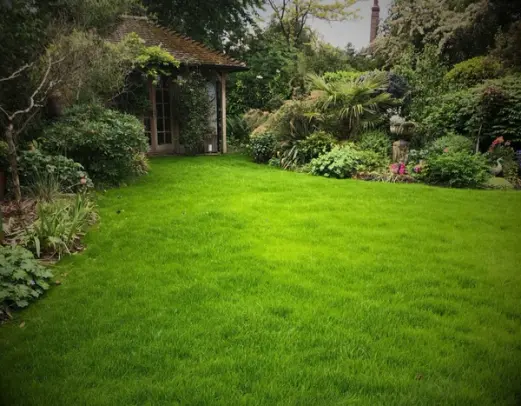
NutraGreen Autumn/Winter
Our NutraGreen Autumn/Winter Long treatment boosts your lawn with a micronutrient feed, improving winter resilience. Applied October to December, it also dries out moss,, while aiding recovery from aeration and scarification.
Read more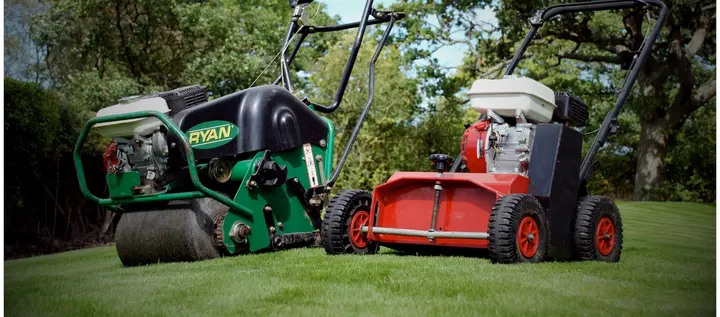
Want a thicker, healthier lawn?
Aeration and Scarification improve overall soil health by boosting airflow, nutrients, and water to grass roots. These essential treatments reduce compaction and thatch, promoting stronger, greener, and more resilient grass.
Read More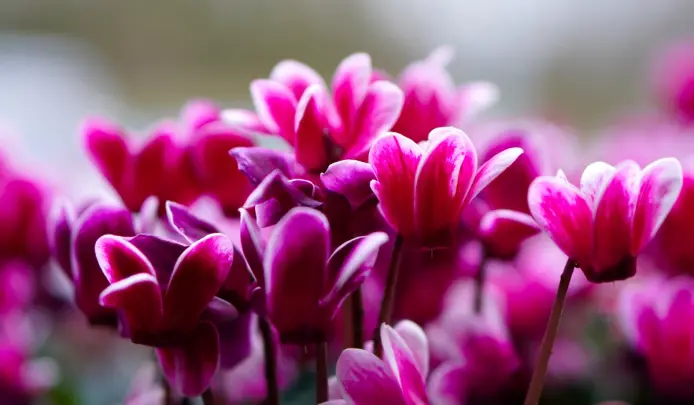
What Plants Bloom in Winter
GreenThumb’s blog highlights various plants that bloom during winter, adding vibrant colour to your garden during the colder months. Featured plants include Winter Jasmine and Christmas Rose.
Read More