
Why your lawn needs Aeration and Scarification
A healthy lawn can completely transform the way you enjoy your outdoor space. Whether it’s relaxing in the garden, spending time with family, entertaining friends, or simply enjoying the view from your window, a greener, healthier lawn helps make the whole garden feel more inviting.
But keeping grass looking its best takes more than regular mowing and watering alone. Over time, lawns naturally become compacted and clogged with thatch, making it harder for healthy grass to thrive.
In this blog, we’ll explore why Aeration and Scarification matter and can help bring tired lawns back to life.


Why Your Lawn Needs Aeration and Scarification
If your lawn has started looking patchy, mossy, or generally tired despite regular mowing and feeding, the problem may actually sit below the surface.
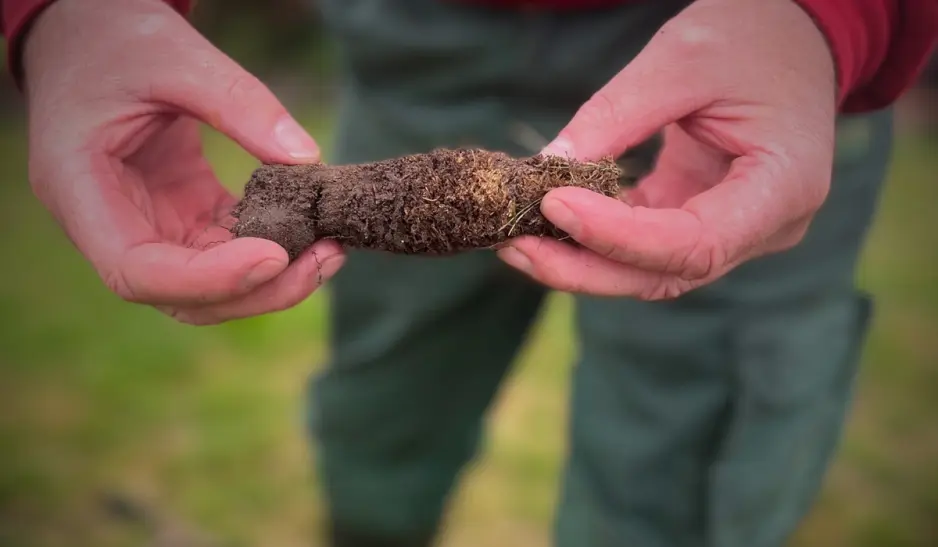
Over time, lawns naturally become compacted and filled with thatch (a layer of dead grass, moss, and organic matter that builds up around the base of the lawn). When this happens, water, air, and nutrients struggle to reach the roots properly, making it harder for healthy grass to grow.
That’s where aeration and scarification come in.
These treatments are designed to improve the overall condition of the lawn by reducing compaction, removing excess thatch, and creating the right environment for stronger, healthier grass growth.
Why Lawns Struggle Over Time
Even healthy lawns go through stress during the year. Wet winters, summer heat, heavy foot traffic, pets, children playing in the garden, and regular use all take their toll over time.
As the soil becomes compacted, grass roots struggle to spread and absorb what they need. At the same time, layers of thatch can begin building up on the surface, trapping moisture and creating ideal conditions for moss and lawn disease.
The result is often a lawn that feels spongy underfoot, drains poorly, and never quite looks as healthy as it should.
What Does Lawn Aeration Do?
Aeration focuses on improving the condition of the soil underneath the lawn.
By creating small holes within compacted ground, aeration allows air, water, and nutrients to move more freely down to the rootzone where they’re needed most. This helps encourage deeper root growth and improves the lawn’s ability to cope with stress, dry weather, and general wear.
Lawns on heavier clay soils or lawns that receive lots of foot traffic often benefit the most from aeration treatments.
What Does Scarification Do?
Scarification works closer to the surface of the lawn by removing excess thatch and moss.
A small amount of thatch is completely normal, but when it becomes too thick it prevents moisture and nutrients from reaching the soil properly. It can also leave the lawn looking weak, uneven, and mossy.
Scarification helps thin out this layer, creating space for healthier grass growth and improving the overall appearance of the lawn over time.
improving the overall appearance of the lawn over time.
Why Aeration and Scarification Work Best Together
Although they do different jobs, aeration and scarification complement each other really well.
Aeration improves conditions below the surface, while scarification clears out the surface layer that can stop the lawn from breathing properly. Together, they help create healthier growing conditions throughout the lawn from root to tip.
This is why machine work is often one of the most effective ways to revive tired lawns that aren’t responding to regular lawn treatments alone.
Signs Your Lawn May Need Machine Work
Some lawns make it fairly obvious when they need extra help.
You may notice:
- moss returning quickly
- water sitting on the surface after rain
- thinning grass
- bare patches
- spongy ground underfoot
- poor growth despite feeding
- excessive thatch build-up
If your lawn is showing several of these signs, aeration and scarification can make a significant difference to its long-term health.
When is the Best Time for Aeration and Scarification?
Spring and autumn are usually the best times for machine work because grass is actively growing and can recover more easily afterwards.
Can You Aerate and Scarify Yourself?
There are DIY tools available, from hand scarifiers to aerator shoes and garden forks, but results can vary depending on the condition of the lawn and the equipment being used.
Professional machines are designed to work much deeper and more effectively, especially on compacted lawns or areas with heavy thatch build-up.
Healthier Lawns Start Below the Surface
A greener lawn isn’t just about what you do above ground.
Sometimes the biggest improvements come from addressing the issues hidden underneath, relieving compaction, reducing thatch, and giving the roots the space they need to grow properly.
When aeration and scarification are carried out at the right time and in the right conditions, they can completely transform the way a lawn looks, feels, and performs throughout the year. Trust us.
You can request these treatments by getting in touch with your local branch.
Aeration and Scarification is automatically included in our Standard and Ultimate treatment programmes. However, if you’re on our Basic programme, during your Summer Long or Autumn/Winter Long treatments, it’s likely you’ll receive a recommendation for Aeration and Scarification.
If you haven’t already had Machine Work before, your lawn will truly benefit.
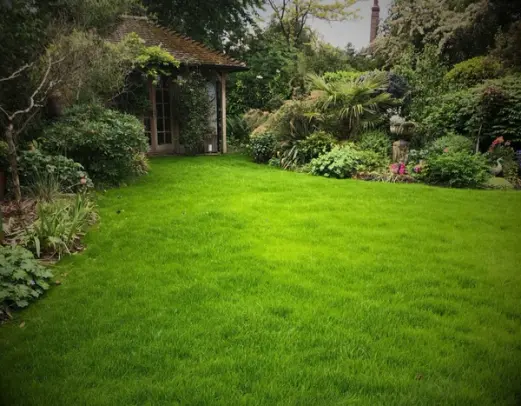
NutraGreen Autumn/Winter
Our NutraGreen Autumn/Winter Long treatment boosts your lawn with a micronutrient feed, improving winter resilience. Applied October to December, it also dries out moss,, while aiding recovery from aeration and scarification.
Read more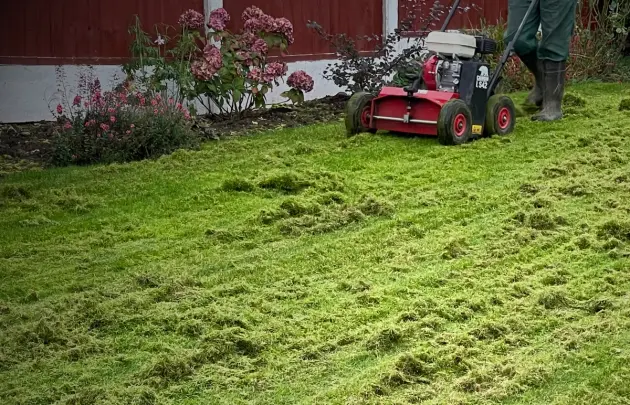
Lawn Scarification
Lawn Scarification is a mechanical process that reduces surface thatch, allowing essential elements like water, air, and fertilisers to reach the grass roots, promoting a healthier, more resilient lawn.
Read More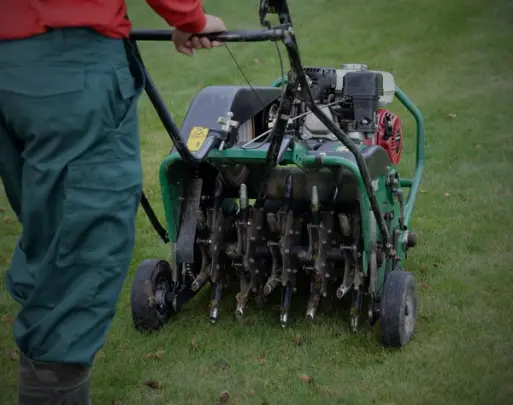
Lawn Aeration
Lawn aeration relieves soil compaction, improving water, air, and nutrient flow to the roots. GreenThumb offers two types: Hollow-tine and Fracture-tine, both enhancing lawn health and resilience.
Read More