
How to Protect Your Lawn and Garden During Winter
As the weather gets colder and gardens become quieter for the season, it’s easy to assume there’s not much happening outdoors. But winter can have a big impact on the health of your lawn and garden, especially after periods of heavy rain, frost, and freezing temperatures.
The good news is that a little care during winter can make a big difference once spring arrives.
From protecting your grass during frosty conditions to staying on top of simple garden jobs, winter is the perfect time to prepare your outdoor space for healthier growth in the months ahead.

Author
Jade Ivory

Reviewed By
Steven Taylor
Updated: 8/18/2026
Published: 10/22/2024

Why Winter Lawn Care Matters
Even though grass grows much more slowly during winter, your lawn still needs care and attention.
Cold weather, waterlogged soil, moss, and frost can all weaken grass over time, particularly if the lawn is already struggling after summer stress or autumn wear and tear.
Lawns are also more vulnerable during winter because frozen grounds can damage the grass more easily under foot traffic.
Looking after your lawn during the colder months can help reduce damage and encourage a healthier recovery in spring.
Avoid Walking on Frosty Grass
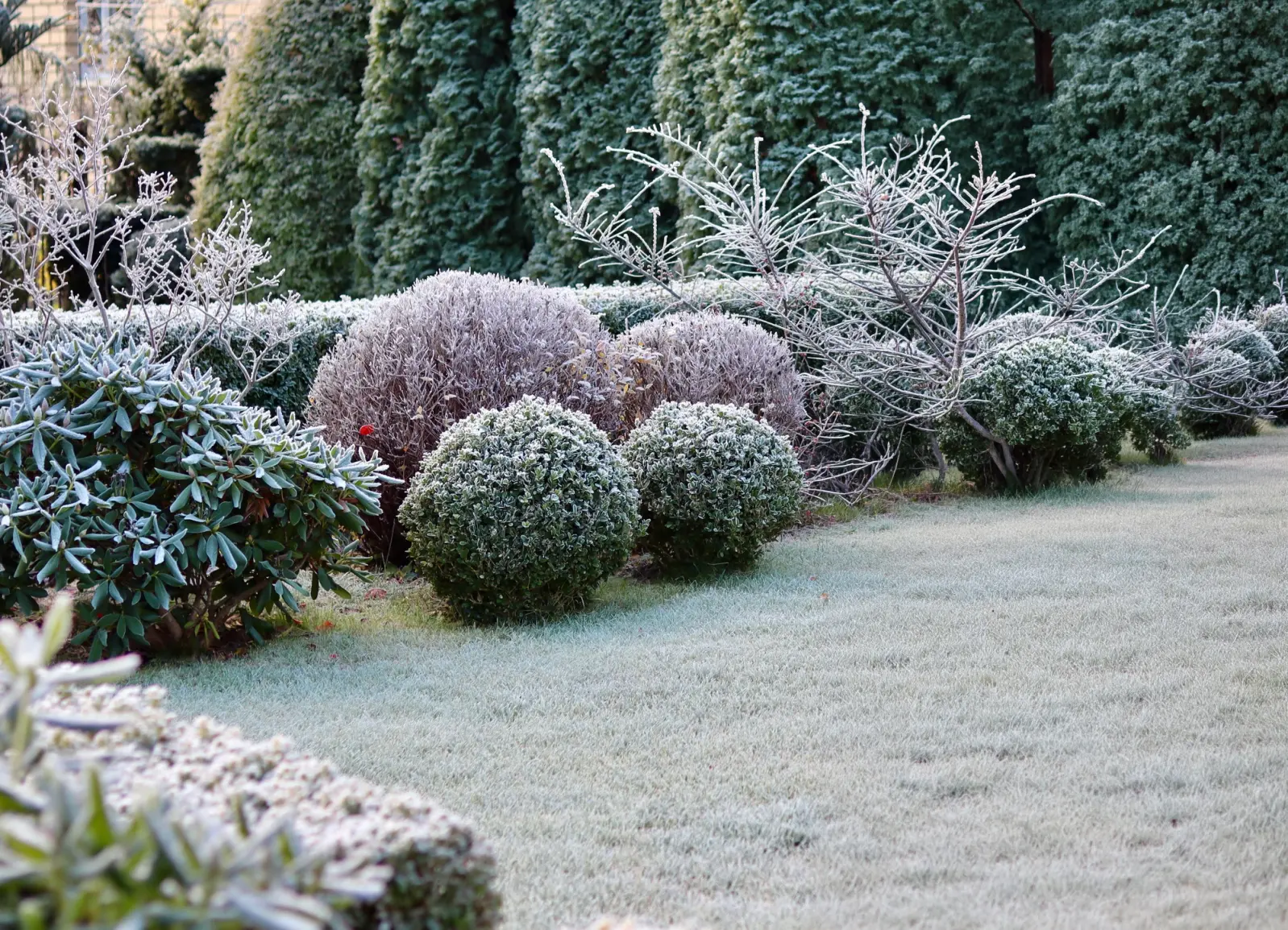
One of the simplest ways to protect your lawn during winter is to avoid walking on it when frost is present.
Frozen grass blades become brittle, and repeated foot traffic can damage the plant and leave visible marks across the lawn. In some cases, heavy use on frosty grass can contribute to thinning and weaker areas later on.
If possible, try to keep foot traffic to a minimum until the frost has lifted.
Keep Leaves and Debris Under Control
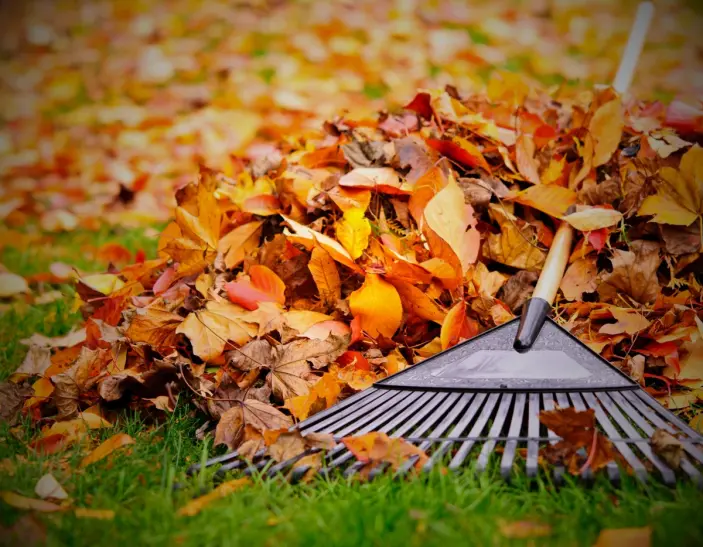
Fallen leaves may look seasonal but leaving them sitting on the lawn for too long can create problems underneath.
A thick layer of wet leaves blocks sunlight and traps moisture against the grass, creating ideal conditions for moss and lawn disease to develop.
Regularly removing leaves, twigs, and debris throughout winter helps improve airflow and keeps the lawn healthier overall.
Continue Mowing if Needed
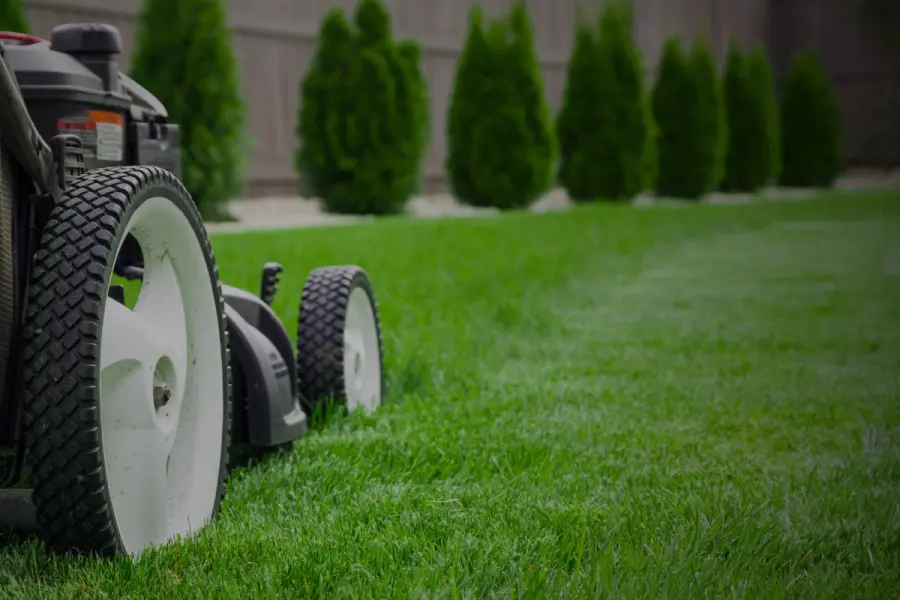
Grass growth slows down significantly during winter, but mild weather can sometimes mean occasional mowing is still needed.
If the lawn continues growing, it’s fine to mow lightly when conditions are dry enough. Just avoid cutting the grass too short.
It’s also best to avoid mowing during frost, snow, or very wet conditions.
Watch for Waterlogging
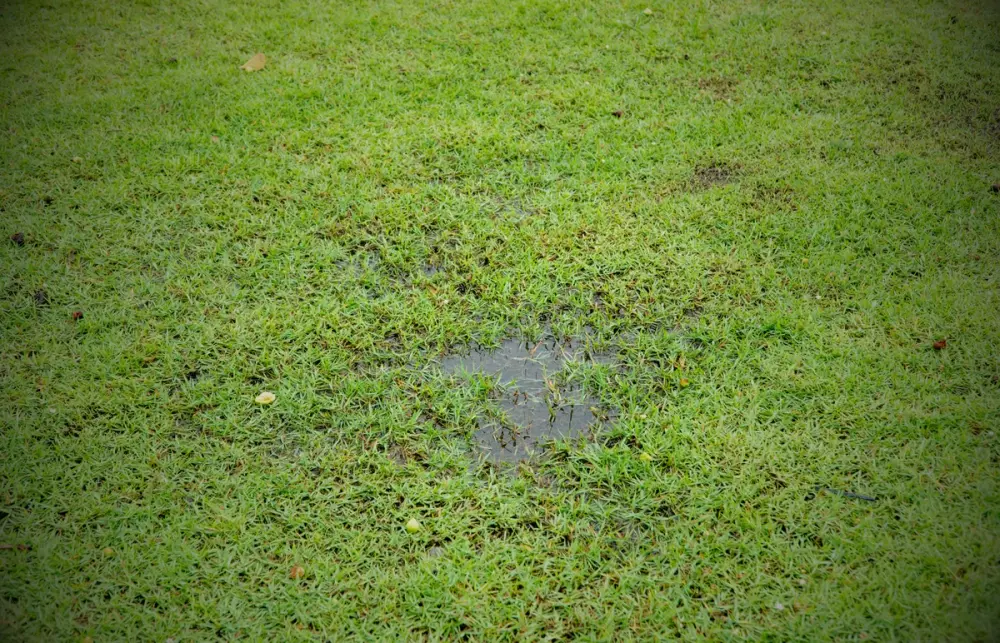
Heavy winter rainfall can leave some lawns waterlogged for long periods, especially in gardens with poor drainage or heavier soil.
If water regularly sits on the surface after rain, it may be a sign the lawn is struggling to drain properly underneath.
Avoid using the lawn excessively during these periods, as saturated soil can compact easily and damage the grass roots over time.
Winter is a Good Time to Tidy the Garden
While lawns may be growing more slowly, winter is still a useful time to stay on top of general garden maintenance.
Simple winter garden jobs can help prepare your outdoor space for spring while keeping the garden healthier through the colder months.
This might include:
- clearing fallen leaves and debris
- cleaning patios and pathways
- cutting back dead plant growth
- checking fences after storms
- cleaning and storing garden tools
- planning spring planting and lawn projects
Small jobs carried out over winter can make spring gardening much easier later on.
Don’t Forget About Moss
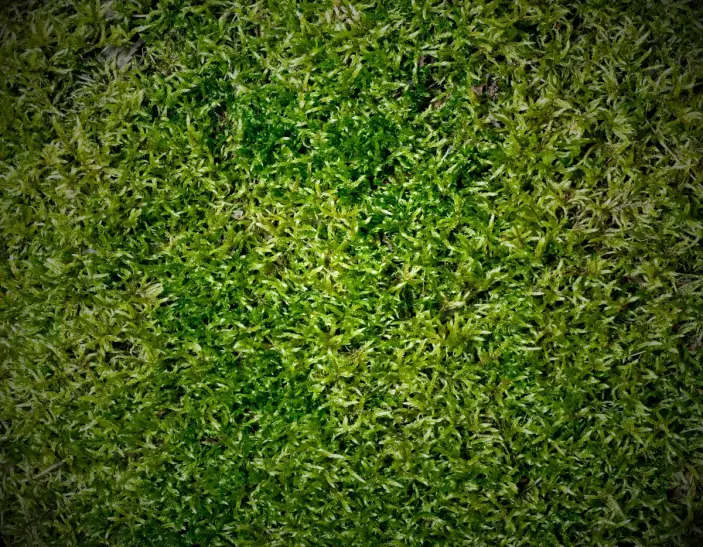
Moss often becomes more noticeable during winter because lawns stay damp for longer and sunlight levels are lower.
If moss is beginning to spread across the lawn, it can sometimes indicate underlying issues such as poor drainage, excess shade, or weak grass growth.
Professional lawn treatments such as scarification and aeration can help improve lawn conditions and reduce moss over time.
Preparing Your Lawn for Spring
What you do during winter can have a big impact on how your lawn looks once temperatures begin to rise again.
Keeping the lawn clear, reducing unnecessary damage, and maintaining good lawn care habits during colder weather all help support healthier spring recovery.
If your lawn has become thin, patchy, or mossy after winter, spring is usually an ideal time for lawn renovation treatments such as overseeding, scarification, and feeding.
Professional Lawn Care Through the Seasons
Every lawn responds differently to winter weather depending on your lawn’s health.
At GreenThumb, our lawn care programmes are designed to support lawns throughout the changing seasons, helping improve grass health, reduce moss, and encourage stronger long-term growth.
With the right care during winter, lawns are far better prepared for a healthier start when spring arrives.
Further Reading
Discover more seasonal tips and advice to help you care for your garden through the winter months.

What Plants Bloom in Winter
GreenThumb’s blog highlights various plants that bloom during winter, adding vibrant colour to your garden during the colder months. Featured plants include Winter Jasmine and Christmas Rose.
Read More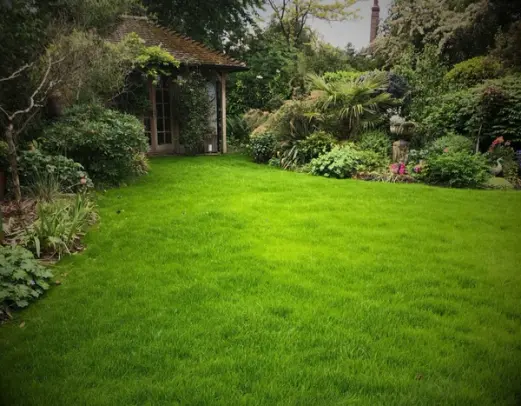
NutraGreen Autumn/Winter
Our NutraGreen Autumn/Winter Long treatment boosts your lawn with a micronutrient feed, improving winter resilience. Applied October to December, it also dries out moss,, while aiding recovery from aeration and scarification.
Read more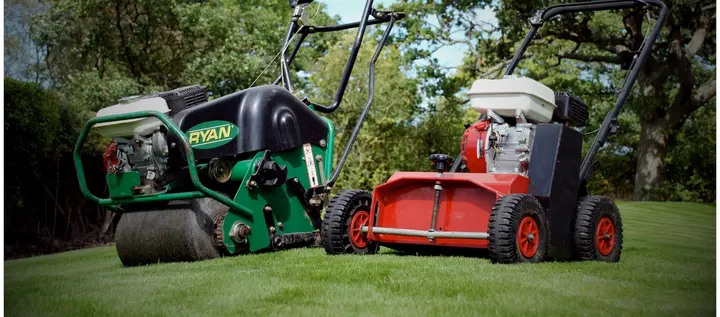
Want a thicker, healthier lawn?
Aeration and Scarification improve overall soil health by boosting airflow, nutrients, and water to grass roots. These essential treatments reduce compaction and thatch, promoting stronger, greener, and more resilient grass.
Read More