
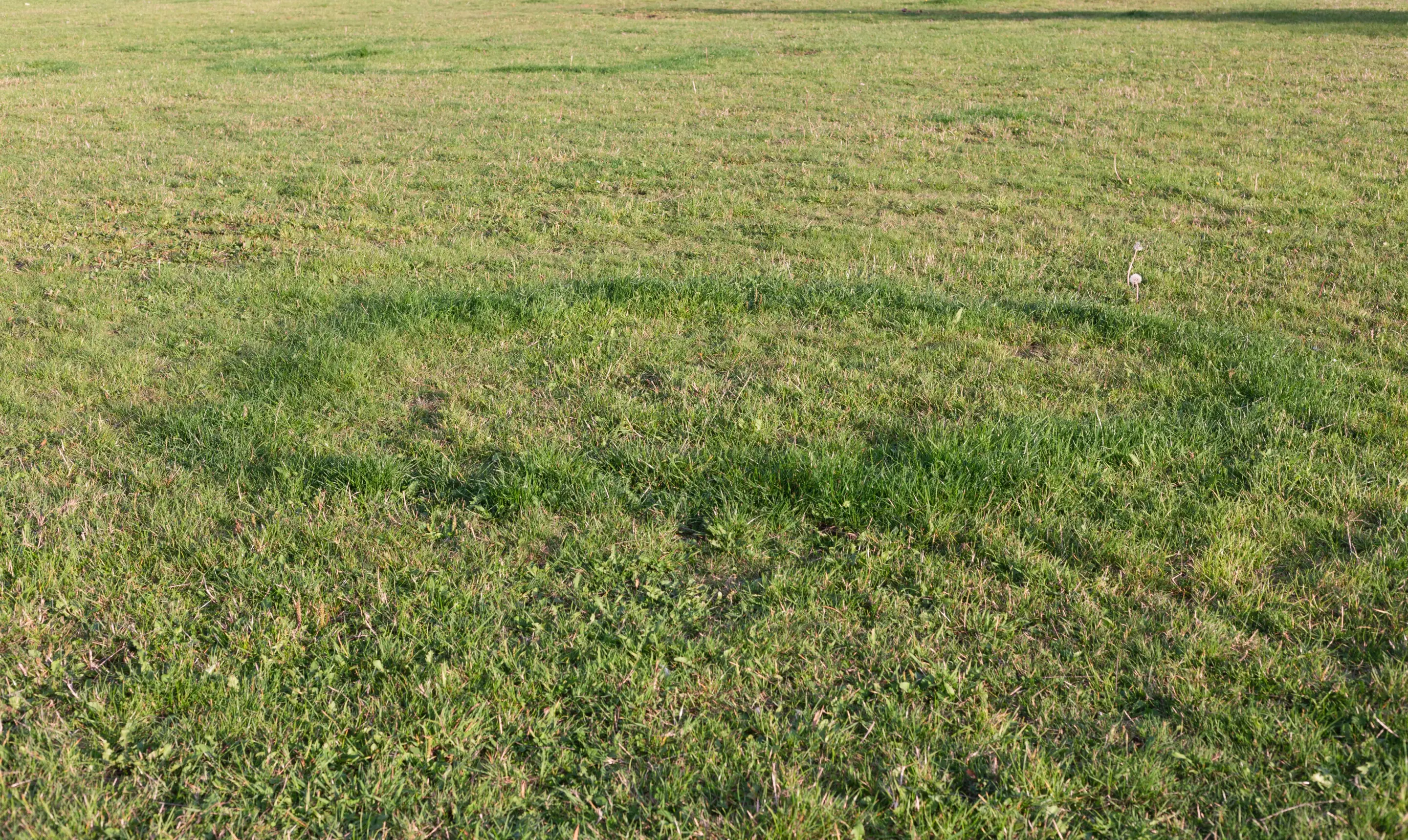
What Is Fairy Ring?
Fairy Ring is a common lawn fungus that causes dark green rings, bare patches, or mushrooms to appear. It’s caused by underground fungal growth and can affect your lawn’s health if left untreated.
There was a popular belief that when you see a darkening ring in your lawn this had been caused by fairies dancing on the lawn.
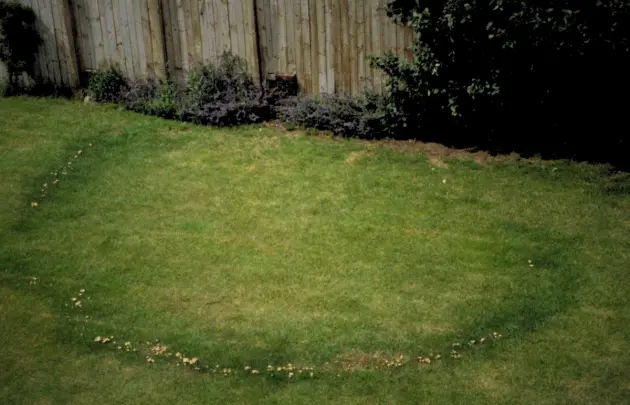
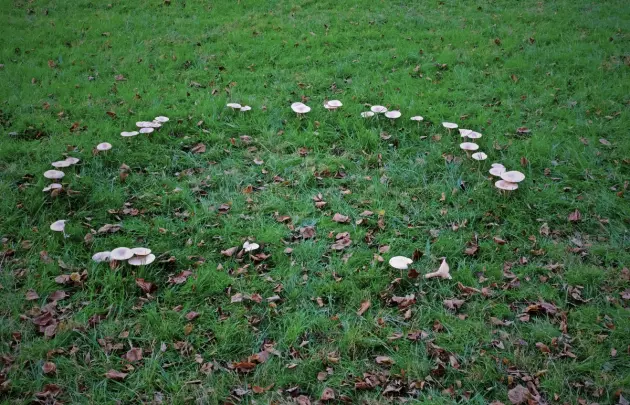
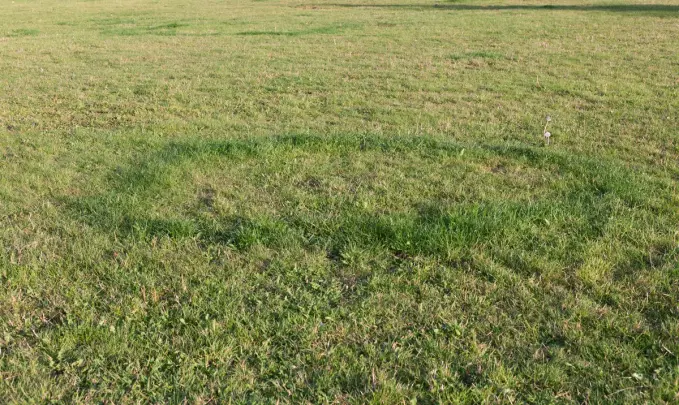
How do I know if my lawn has a Fairy Ring?
There are typically three types of fairy rings on a lawn:
- Mushrooms only
- Darker coloured grass with mushrooms at the edge of the circle
- Dead grass, with mushrooms at the edge; this is the worst type.
Trying to water the area would probably show that it is not allowing water to penetrate the surface due to the soil becoming hydrophobic. Taking a soil sample from the area will show white fungus in the soil and no moisture in the area at all. It will also smell musty or mouldy.
Worried About Rings in Your Lawn?
Book a free lawn analysis with your local GreenThumb expert. We’ll identify the cause and recommend the right treatment to restore your lawn’s health and appearance.
What can be done if my lawn has a Fairy Ring?
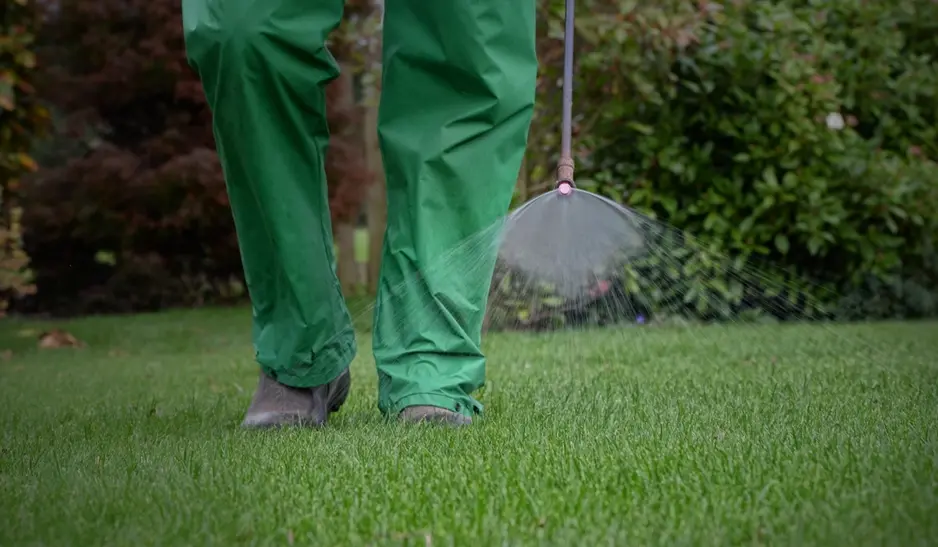
Fairy rings are not easily controlled due to challenges caused by their source. A measure of control can be gained by treating the areas with a soil fungicide and a good water conserver.
GreenThumb will recommend the best approach as the treatment will be commensurate with the severity of the condition. There isn’t a one-size fits all solution and we would like to give you the best advice based on a personalised lawn analysis.
*Figures shown are approximate and based on available data. For illustrative purposes only.
Explore More Lawn Health Topics
Fairy Rings are just one sign your lawn may need extra care. Learn more about the causes of lawn discolouration, grass types, and how to treat fungal infections effectively.
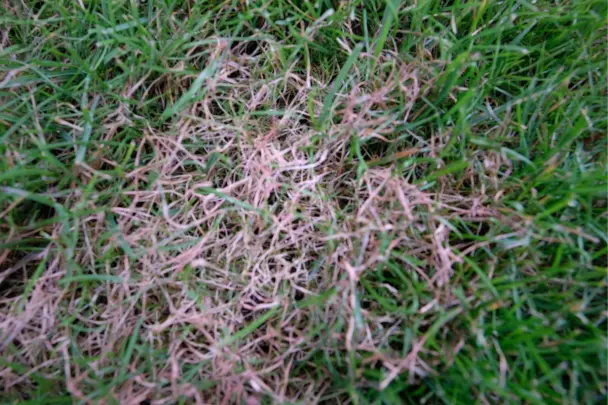
Lawn Disease Management
Focusing on combating common turf diseases like red thread and fusarium patch, using fungicides and cultural practices to reduce infections. These treatments help restore lawn health and promote long-term recovery.
Read More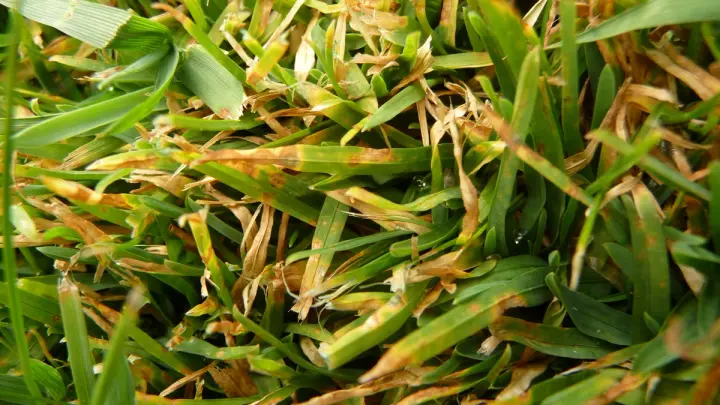
Why Lawn Turns Yellow
Yellow grass can stem from nutrient loss, poor watering, pests, disease, or seasonal stress. Mowing, fertilising, watering, aeration, and reseeding help restore and maintain a lush green lawn.
Read more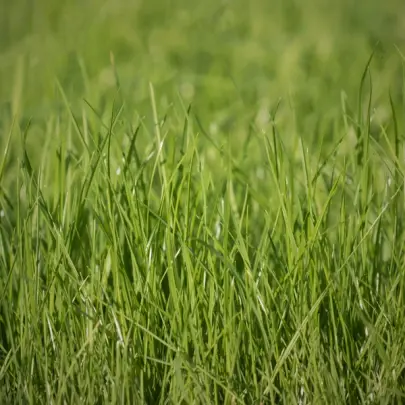
Types of Grass in the UK
Learn which grass types thrive in your soil and climate, read our blog to discover the best seed for a healthier, greener lawn.
Read More