
Winterise Your Lawn: Essential Tips for a Healthy Turf
As winter approaches, it’s important to prepare your lawn for the colder months ahead. With the right care and attention, your lawn can stay healthy and vibrant throughout winter and bounce back beautifully in the spring. In this guide, we’ll cover essential winter lawn care tips—from prepping your lawn for the season to preventing common diseases and ensuring it recovers well when temperatures rise. Let’s dive into how you can help your lawn weather the winter months

Author
Steven Taylor

Reviewed By
Leanne Lewis
Updated: 9/30/2026
Published: 10/22/2024

Get your lawn ready for Winter
Winter poses unique challenges for lawn care, but with the right strategies, your winter lawn can remain healthy and attractive throughout the colder months. In this guide, we will explore how to protect your lawn in winter, from preparation steps to preventing winter lawn diseases and maintaining it during the season. We will also share grass maintenance tips for early spring lawn recovery, ensuring your lawn bounces back as temperatures rise.
How to keep your lawn healthy in Winter
Proper preparation is key to ensuring your lawn withstands winter's harsh conditions. Here are three crucial steps to help protect your lawn:
Clearing Debris and Leaves: Before the first frost, clear your lawn of debris and fallen leaves. Leaves can block sunlight and air, leading to fungal diseases and dead patches. Use a rake or leaf blower to remove all debris from your lawn.
Last Mow and Trim: Give your lawn a final mow and trim before winter. Just remember you are tidying rather than mowing the lawn to keep it in check. This means using the highest mower setting to trim off uneven growth. We wouldn’t recommend mowing your lawn in wet conditions as it can weaken it, making it easier for diseases to spread, especially in damp conditions where they thrive.
Trim overgrown edges along pathways or flower beds as well.
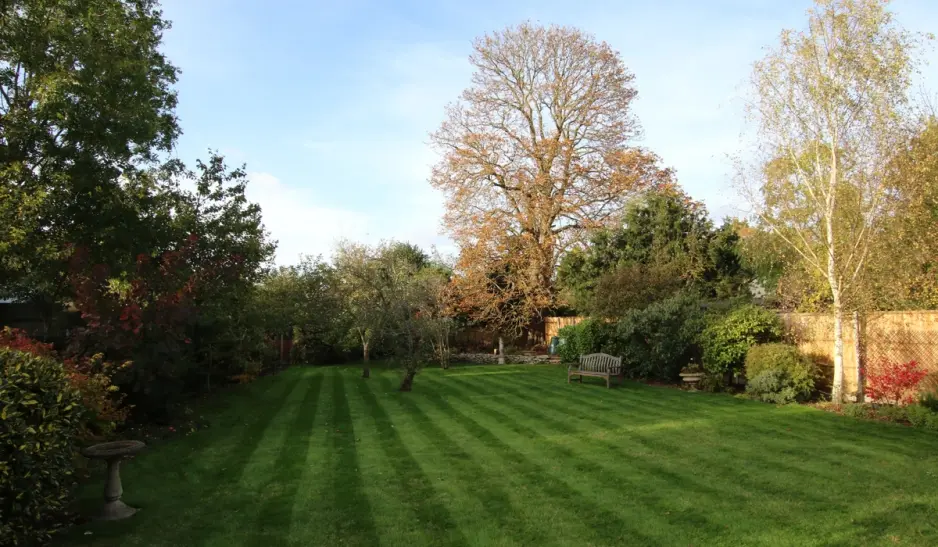
Autumn Fertilisation: Ensure you have your NutraGreen Autumn/Winter Long Treatment, which will ensure your lawn keeps green in winter. Our treatment includes a micronutrient feed, allowing your lawn to prepare while giving the lawn a long-lasting green colour, toughening the grass for the winter weather ahead.
Preventing Winter Lawn Diseases
Cold, wet conditions during winter can make your lawn susceptible to various diseases. Here’s how to prevent common winter lawn diseases:
Identifying Common Winter Lawn Diseases: Recognising diseases like snow mould and fusarium patch is crucial. Snow mould appears as circular patches of dead or discoloured grass with a fuzzy growth. Fusarium patch leads to circular patches of yellow or brown grass with reddish-brown borders.
Improving Drainage: Prevent waterlogging by improving lawn drainage. Aerate the soil and remove debris that obstructs water flow. Avoid overwatering during winter to reduce excess moisture.
Maintaining Your Lawn During Winter
With proper care, you can protect your lawn from winter’s harsh elements. Here are essential winter lawn maintenance tips:
Minimising Foot Traffic: Reduce foot traffic on your lawn to prevent damage and compaction. Use designated paths or stepping stones to distribute weight evenly.
Proper Snow Management: When shovelling or ploughing snow, avoid piling it on your grass. Excessive snow can smother and suffocate the grass. Clear snow to the sides or onto non-grassy areas. Avoid using salt or chemical ice melters on your lawn as they can damage grass and soil.
Early Spring Lawn Recovery
After winter, your lawn may need some care to recover and thrive. Follow these steps for early spring lawn recovery:
Assessing Winter Damage: Inspect your lawn for winter damage such as bare patches, thinning grass, or compacted soil. Identifying problem areas will help you determine the steps needed for recovery.
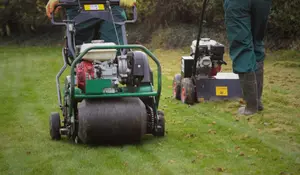
Aerating and Spiking: Aerate and spike your lawn to alleviate soil compaction, improve drainage, and promote root growth. Use a garden fork or mechanical aerator to create small holes in the soil, allowing air, water, and nutrients to penetrate deeper.
Lawn Scarification: Scarification is particularly beneficial for spring recovery as it tackles thatch build-up and organic debris, which can hinder grass growth. By removing this layer, scarification allows essential nutrients, water, and air to reach the roots more effectively. This revitalises the lawn, encouraging vigorous growth and a healthier, more resilient turf as it emerges from winter.
Prepare Your Lawn for Winter—And a Strong Spring Comeback
Now’s the time to protect your lawn from the effects of frost, foot traffic, and lawn diseases. With expert seasonal treatments like our Autumn/Winter NutraGreen and advice tailored to your lawn’s condition, we’ll help it stay strong through winter and bounce back beautifully in spring.

What Plants Bloom in Winter
GreenThumb’s blog highlights various plants that bloom during winter, adding vibrant colour to your garden during the colder months. Featured plants include Winter Jasmine and Christmas Rose.
Read More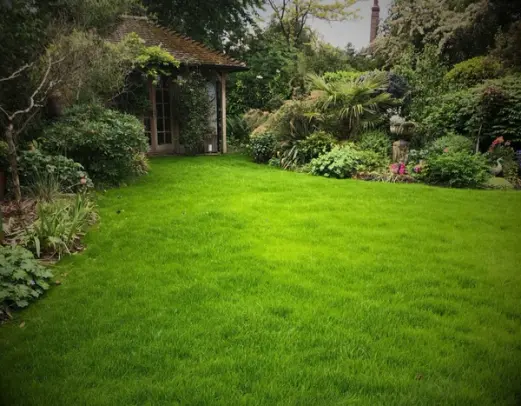
NutraGreen Autumn/Winter
Our NutraGreen Autumn/Winter Long treatment boosts your lawn with a micronutrient feed, improving winter resilience. Applied October to December, it also dries out moss,, while aiding recovery from aeration and scarification.
Read more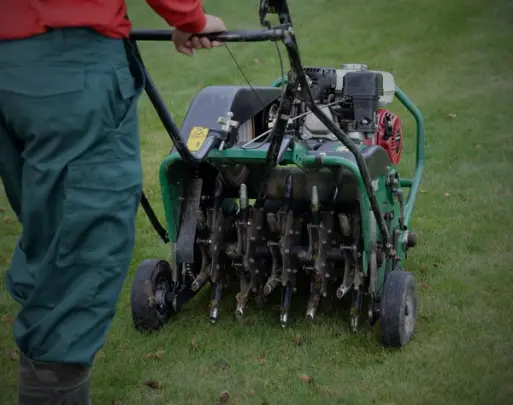
Lawn Aeration
Lawn Aeration improves soil structure by creating holes that allow better air, water, and nutrients to reach grass roots. It helps reduce compaction, promotes healthy growth, and keeps your lawn looking it's best throughout the seasons.
Read More