
Why Moss Grows in Lawns and How to Get Rid of It
Moss is one of the most common lawn problems in the UK, especially during the wetter and colder months of the year. While a small amount of moss is fairly normal, too much can quickly leave a lawn looking patchy, uneven, and more importantly, unhealthy.
The tricky thing about moss is that it’s usually a sign of underlying lawn conditions rather than the main problem itself.
Shaded areas, damp soil, poor drainage, and weak grass growth can all create the perfect environment for moss to spread. Once it starts establishing itself, it can gradually take over thinner areas of the lawn and make it harder for healthy grass to thrive.
The good news is that moss can usually be managed successfully with the right treatments and ongoing lawn care.

Author
Jade Ivory

Reviewed By
Leanne Lewis
Updated: 5/27/2026
Published: 12/11/2023

Why Does Moss Grow in Lawns?
Moss thrives in conditions where grass struggles.
Unlike grass, moss doesn’t have deep roots and can survive in damp, compacted, or shaded areas where healthy grass may find it harder to establish properly. This is why moss often becomes more noticeable during autumn and winter when lawns stay wetter for longer.
Some of the most common causes of moss include:
- excessive shade
- poor drainage
- compacted soil
- weak or thinning grass
- low nutrient levels
- excessive moisture
In many cases, moss is simply taking advantage of areas where the lawn is already under stress.
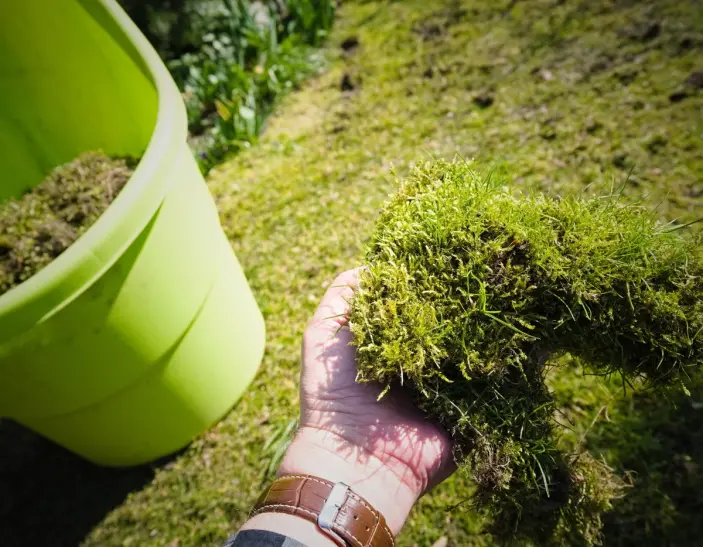
Why Moss Often Comes Back
Removing moss without improving the condition of the lawn underneath often leads to the problem returning.
For example, if the lawn remains damp, heavily shaded, or compacted, moss spores can quickly re-establish themselves in the same areas.
That’s why long-term moss control usually focuses on improving overall lawn health as well as removing the moss itself.
Healthier, thicker grass naturally competes better against moss over time.
How to Remove Moss from Your Lawn
The best way to remove moss depends on how severe the problem is and what’s causing it in the first place.
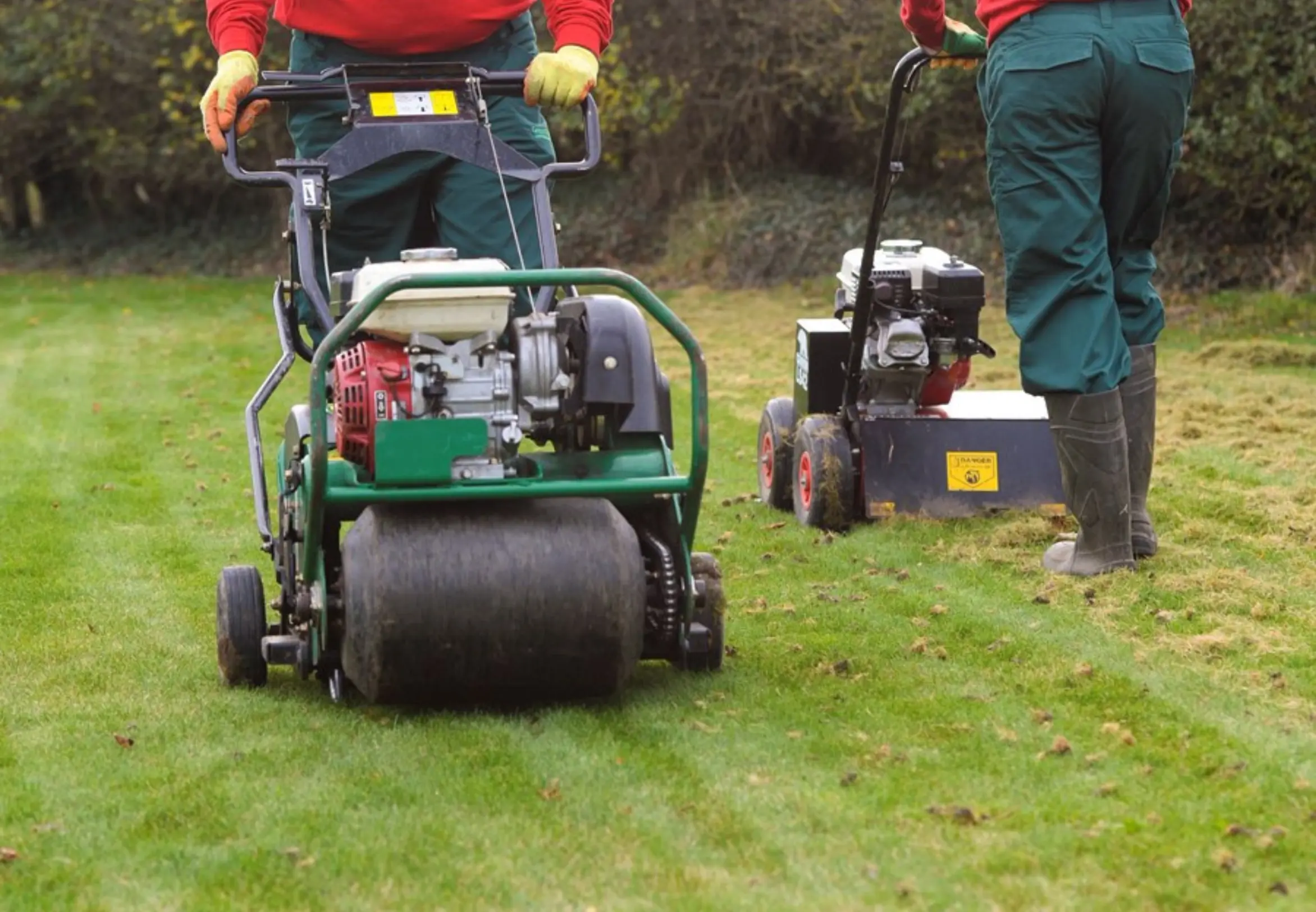
In many cases, scarification is one of the most effective treatments for removing built-up moss and thatch from the lawn surface. Scarification helps clear out dead material and creates more space for healthy grass growth.
Aeration can also help improve lawn conditions by relieving compacted soil and allowing better airflow, drainage, and nutrient movement beneath the surface.
Together, these treatments help create a healthier environment for grass while making conditions less favourable for moss.
The Importance of Healthy Grass Growth
One of the best long-term ways to reduce moss is to strengthen the lawn itself.
Thicker, healthier grass is naturally better at competing for light, water, and nutrients, leaving less opportunity for moss to spread.
This is why overseeding and regular feeding are often recommended alongside moss treatments, particularly on lawns that have become thin or patchy over time.
At GreenThumb, we use our exclusive Diamond Green grass seed blend to help improve lawn density, colour, and durability while encouraging stronger overall grass growth.
Can Weather Make Moss Worse?
Absolutely.
The UK’s damp climate creates ideal conditions for moss, particularly during long periods of rainfall, low sunlight, and mild winter temperatures.
Lawns that remain wet for extended periods or receive limited sunlight are often more vulnerable to moss becoming established. Heavy clay soils and areas with poor drainage can also make the problem worse.
While weather can’t be controlled, improving lawn health and soil conditions can help reduce the likelihood of moss returning year after year.
Simple Ways to Help Prevent Moss
There’s no instant fix for moss, but small improvements to lawn care can make a big difference over time.
Some of the best ways to discourage moss growth include:
- improving drainage
- reducing soil compaction
- feeding the lawn regularly
- overseeding thin areas
- removing excess thatch
- increasing airflow where possible
- avoiding excessive shade where practical
Healthier lawns are naturally more resilient and far less likely to become overwhelmed by moss.
When Professional Lawn Treatments Can Help
If moss keeps returning despite regular maintenance, it may be a sign that the lawn needs more than surface-level treatment.
Professional lawn care treatments can help improve the growing conditions beneath the surface while reducing the underlying issues that encourage moss growth in the first place.
At GreenThumb, our lawn care programmes combine treatments such as scarification, aeration, overseeding, and tailored lawn feeding to help strengthen lawns and reduce moss over time.
A Healthier Lawn Starts Below the Surface
Moss is often a sign that your lawn is struggling underneath the surface, whether from poor drainage, weak grass growth, or compacted soil.
By improving overall lawn health and creating better growing conditions for grass, it’s possible to reduce moss naturally and encourage a thicker, greener, and healthier lawn over time.
Further Reading
NutraGreen Autumn/Winter
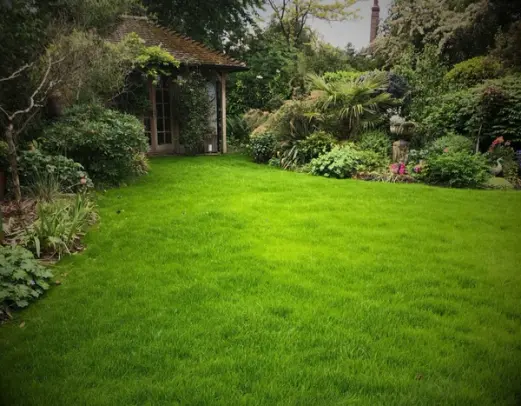
Our NutraGreen Autumn/Winter Long treatment boosts your lawn with a micronutrient feed, improving winter resilience. Applied October to December, it also dries out moss,, while aiding recovery from aeration and scarification.
Read more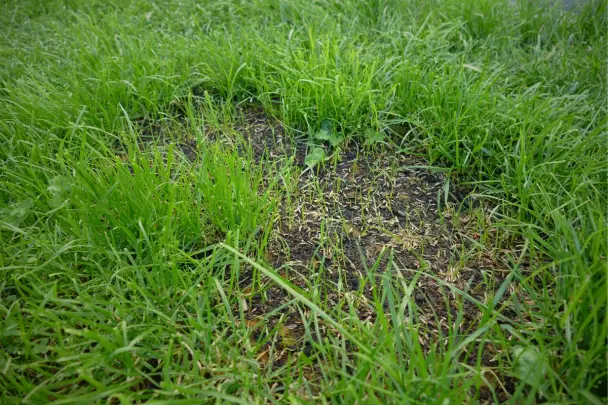
How to deal with Bare Patches
Bare spots can make an otherwise healthy lawn look tired and patchy. Head over to our blog for easy tips on why they happen and how to fix them quickly for a fuller, healthier, and greener lawn.
Read More
Why Lawn Care Helps
Professional lawn care delivers better results than DIY. Expert treatments and regular maintenance create healthier grass, fewer weeds, and more free time for you to enjoy your lawn.
Read More