
How to deal with Bare Patches on your lawn
A lawn doesn’t stay lush and green on its own. Over time, it can become patchy, compacted, thin, or tired-looking, even with regular nutrition, mowing and watering. That’s where overseeding and top dressing can make a real difference. These two lawn treatments work together to help repair bare patches, improve growing conditions, and encourage stronger, healthier grass growth.
In this guide, we’ll explain what top dressing and overseeding are, why they’re so effective when used together, and how GreenThumb’s professional services can take the hard work off your hands while delivering long-lasting results.


How to Repair Bare Patches on Your Lawn with Overseeding and Top Dressing
Bare patches are one of the most common lawn problems for UK homeowners. Whether they’ve appeared after a long summer, a wet winter, heavy foot traffic, pets, or general wear and tear, patchy areas can quickly make an otherwise healthy lawn look tired and uneven.
The good news is that most bare patches can be repaired without replacing the entire lawn.
With the right combination of overseeding, top dressing, and aftercare, it’s possible to restore lawn thickness, encourage healthier grass growth, and improve the overall appearance of your lawn.
Why Bare Patches Appear in Lawns
Lawns can become patchy for all sorts of reasons. Changing weather conditions often play a major role, especially during periods of drought or prolonged wet weather that place the grass under stress.
Compacted soil, moss, thatch build-up, pet activity, and heavy garden use can also weaken grass over time, leaving thinner areas that struggle to recover naturally.
Once grass becomes weak, weeds and moss can begin taking over the affected areas, making the lawn look even more uneven.
What is Overseeding?
Overseeding is the process of introducing fresh grass seed into an existing lawn to help improve thickness and repair worn or patchy areas.
At GreenThumb, we use our exclusive Diamond Green grass seed blend to help create a greener, denser, and more hard-wearing lawn. Designed to perform well in UK conditions, the seed blend helps encourage stronger grass growth while improving the overall look and resilience of the lawn over time.
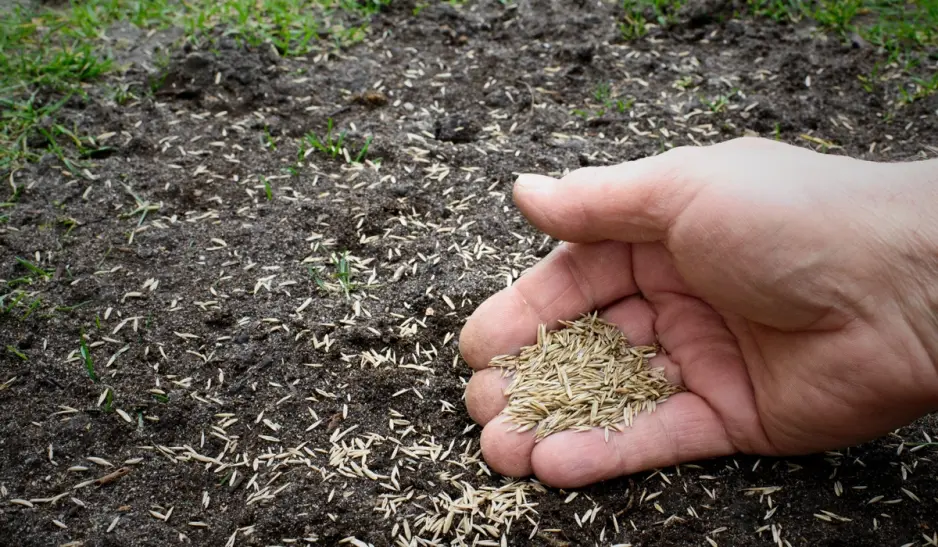
Overseeding is one of the most effective ways to:
- repair bare patches
- improve lawn density
- strengthen weaker areas
- refresh tired-looking grass
When carried out during the right conditions, overseeding can completely transform the appearance of thinner lawns.
Why Top Dressing is Important
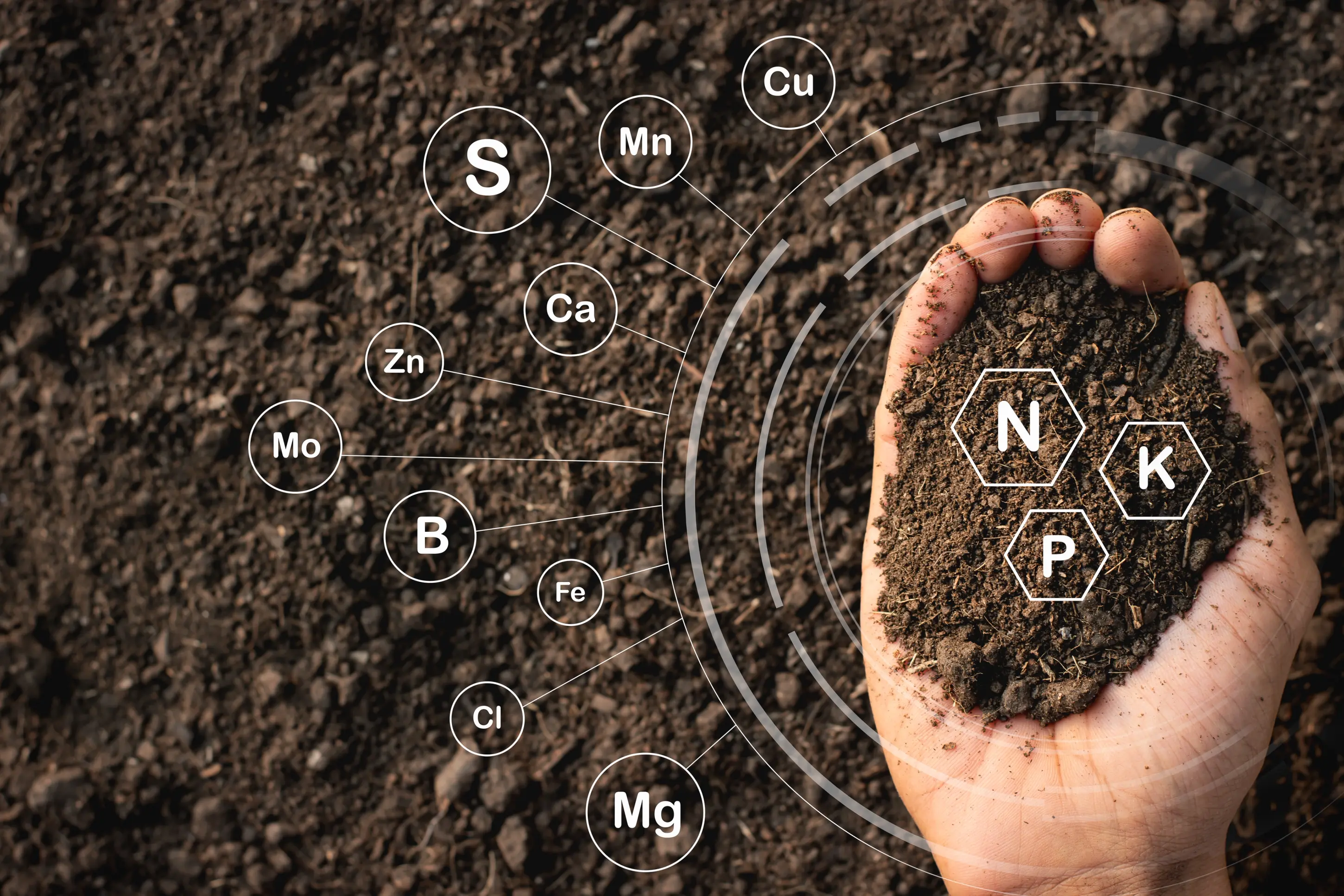
Top dressing plays an important role in helping new grass seed establish successfully.
After overseeding, a thin layer of lawn dressing is applied across the lawn surface to help improve seed-to-soil contact and protect the newly applied seed while it germinates.
GreenThumb’s 100% organic top dressing also helps retain moisture around the seed, which is especially important during establishment. At the same time, it helps improve soil condition and creates a healthier growing environment for stronger root development.
Together, overseeding and top dressing create the ideal conditions for fresh grass growth.
How to Repair Bare Patches Yourself
Smaller bare patches can often be repaired at home with a little preparation and patience.
Start by removing any dead grass, moss, or debris from the affected area. Lightly loosen the soil with a rake or garden fork to reduce compaction and help the seed establish more easily.
Next, apply grass seed evenly across the patch before adding a light layer of top dressing or quality topsoil over the surface. This helps protect the seed and improves moisture retention during germination.
Water the area regularly to keep the soil damp while the new grass establishes, especially during warmer or drier conditions.
It’s also best to avoid heavy foot traffic on newly seeded areas until the grass becomes stronger.
- Keep the lawn moist during the first few weeks to support germination. Without natural rainfall the lawn will require regular irrigation.
- Minimising foot traffic while new grass establishes.
- Avoiding mowing until the new grass reaches around 5–7 cm.
- Following up with appropriate feeding and maintenance to strengthen the lawn.
When is the Best Time to Overseed a Lawn?
Spring and autumn are usually the best times for overseeding and lawn repair treatments because the soil is warm enough for seed germination while moisture levels are generally more reliable.
Trying to repair bare patches during extreme heat or freezing temperatures can make establishment much more difficult.
Professional overseeding treatments are often most effective when combined with aeration and scarification, helping improve seed-to-soil contact and reduce compaction before new grass is introduced.
When Professional Lawn Treatments Can Help
It can be a time-consuming job that requires the right equipment, preparation, and aftercare to achieve good results. Applying too much dressing, spreading seed unevenly, or choosing the wrong grass seed for your lawn can all affect how successfully the grass establishes.
That’s why many homeowners choose professional lawn treatments instead. At GreenThumb, our experienced Lawn Operatives assess the condition of your lawn and use specialist equipment, professional-grade seed, and top dressing suited to your lawn’s specific growing conditions. Combined with ongoing lawn care advice and tailored treatments, this helps create the best possible conditions for long-term lawn health and stronger grass growth.
Bring Your Lawn Back to Life
Every lawn is different and sometimes getting it back to looking its best takes a little more than regular mowing and watering. Whether your lawn has a few patchy areas or is starting to look generally tired and thin, overseeding and top dressing can make a real difference over time.
At GreenThumb, we take care of the hard work for you — from choosing the right treatments for your lawn to helping create the best possible conditions for healthy grass growth. So instead of worrying about equipment, seed types, or lawn repairs, you can simply enjoy watching your lawn become thicker, greener, and healthier again.
Further Reading
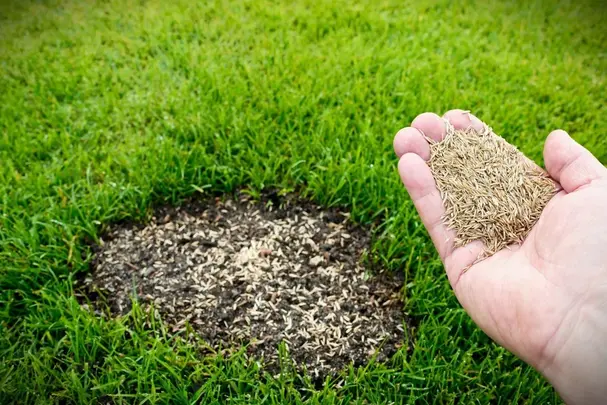
Types of Grass
Choosing the right type of grass can make a big difference in how your lawn looks, feels, and grows. Visit our blog to learn about the different types of grass and find the best one for your lawn.
Read More
How to level a lawn
Our guide on how to level a lawn provides step-by-step instructions for correcting uneven surfaces and improving your lawn’s appearance. Covering techniques like top dressing and filling in low spots to create a smooth and even lawn.
Read more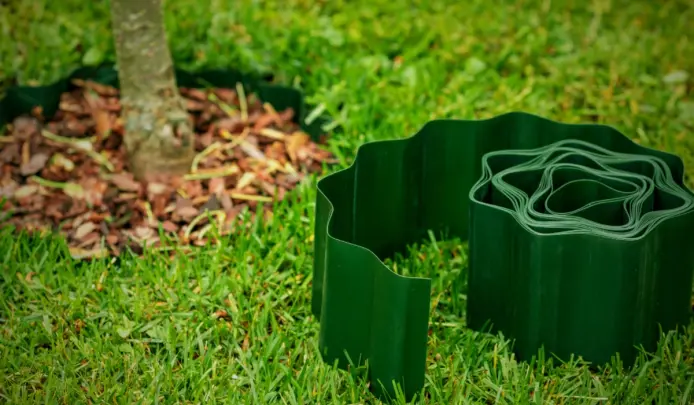
Lawn Edging
Lawn edging is an easy way to make your garden look polished, tidy, and well-maintained. Head over to our blog for simple, practical tips on how to create beautiful, well-defined edges for your lawn.
Read More