
Pets on your lawn
At GreenThumb, we know your lawn is more than just a patch of grass—it's a playground, a rest spot, and a haven for your beloved pets. While it’s true that pets can pose challenges to lawn care, having a lush, healthy lawn is still entirely possible with a few thoughtful adjustments.
Whether it’s dog urine spots, digging, or the occasional nibble from a curious rabbit, pet-related lawn issues are common—but manageable. In this blog, we’ll share practical tips to help you balance great lawn care with a happy, pet-friendly outdoor space. Let’s show your lawn (and your pets) some love!

Author
Jade Ivory

Reviewed By
Steven Taylor
Updated: 12/9/2025
Published: 4/23/2024

Maintaining a Beautiful Lawn with Pets: Tips and Tricks for Pet-Friendly Landscaping
Here at GreenThumb, we are lovers of pets and lawns. We understand that your lawn is an extension of your home, especially for your furry friends. Some owners think having a lush, healthy lawn is impossible to achieve with their pets, but this isn't true!
A popular question we always get asked is - ''Can I have a nice lawn if I have pets?'' In short, yes. A lot of our GreenThumb customers have pets and they still see fantastic results.
We only recommend that you keep your dog or cat off the lawn until any liquid part of the treatments have dried (approx. 2 hours or more depending on weather conditions and moisture content). Our experienced Lawn Operatives will advise you on the day for the precautions you need to take.
There are just a few more things to consider which will help your lawn reach its full potential even with your pets enjoying it too.
Dogs on Lawns
Dog owners may notice large dead patches. A dog's urine can cause scorched patches in the grass, especially if your buddy has a favourite spot.
We recommend:

Try and take your dog(s) for a morning walk before they relieve themselves on the lawn. It's usually their morning urine that is the strongest, so this is when most damage to the lawn can be caused (although each situation is different).
If you're not able to keep the dog off the lawn then putting any pebbles, bark or sand on the area may encourage them to go elsewhere.
Spraying water on the lawn straight after your dog has urinated can help.
If you do have large bare patches, we can offer Top Dressing & Overseeding which will help fill the bare patch out. If the grass is completely dead, although it may be looking a little worse for wear, we can apply a NutraBooster treatment which will help with the recovery.
Does your dog love to dig? While digging is natural for some breeds, it’s often a sign of boredom or excess energy—and unfortunately, it can wreak havoc on your lawn. If your dog spends time alone in the garden, try leaving toys around to keep them distracted, particularly those that provide mental stimulation.
Ensuring your dog gets enough exercise is also important; daily walks are essential, and more active breeds may need additional playtime or activities to stay engaged. To discourage digging in certain spots, you can make the area less appealing—sprinkling cayenne pepper is a commonly used method, though it will need to be reapplied regularly, especially after rain.
Cats are mostly intent on using neighbours gardens for the toilet as opposed to their own. So, whether you own a cat or not, you will more than likely have to deal with a cat going the toilet in your garden. However, cats have the tendency of digging a hole in your border to do their business, which means they will leave your lawn alone.
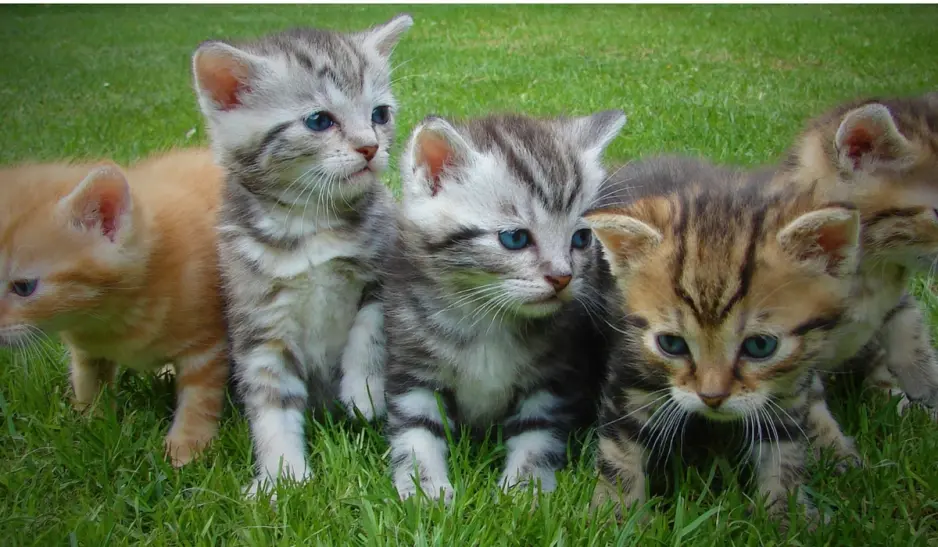
There are many things you can do to deter cats from your garden. Here are a few:
- Place half-full plastic bottles in borders. The light reflection is supposed to deter.
- CDs can be threaded on twine with knots in between to keep them apart. String these across flower beds or hang from trees. The light reflections deter.
- Place clippings from thorny or spiky plants under bird feeders and under bushes will prevent cats from using these areas to stalk birds.
For more tips, you can visit: https://www.rspb.org.uk/birds-and-wildlife/advice/
Animals such as rabbits, tortoises, etc. tend to eat the grass, so before applying any products you need to read the label carefully. Some of our GreenThumb treatments require these pets to be kept off the lawn for up to two weeks. If you can make your local branch aware of the pets you own, they will be able to advise accordingly.
These pets are usually contained to one area in a hutch or pen. As a result, damage to your lawn caused by their urine, eating, etc. will damage the grass and causes dead patches, but it will be confined to that one area.
To avoid excess damage, we recommend every so often you move the hutch or pen to another part of the lawn to stop that area becoming too damaged. Then go back and water down their previous home to dilute the urine.
There will possibly be an area of the grass that we do not treat because of where the hut is placed, if this is the case, and you do move the hut around, when we next visit, we will treat that untreated area.
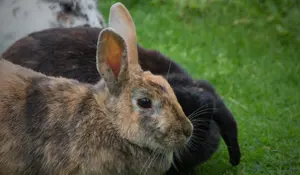
A rabbit grazing on a lawn, showing the impact of small pets on grass health and the importance of mindful lawn care
Don't let your pets put you off from having a lawn to be proud of. It just requires a little more effort. GreenThumb are always on hand to help you. If your pet is causing trouble in your lawn or you would like to start your lawn journey, contact your local branch.
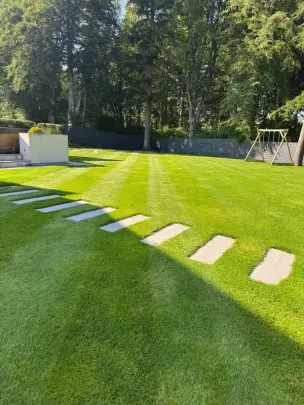
Boosts Growth & Colour
By improving nutrient absorption, Oasis encourages thicker, stronger grass with a richer green colour - helping your lawn look vibrant and full of life.
Read More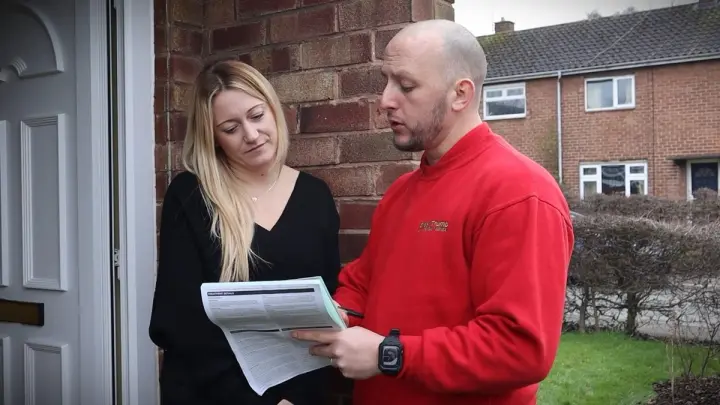
Why Lawn Care Helps
Professional lawn care delivers better results than DIY. Expert treatments and regular maintenance create healthier grass, fewer weeds, and more free time for you to enjoy your lawn.
Read More
Why should I treat my lawn?
Lawn treatments are essential for keeping your lawn healthy and vibrant, tackling issues like pests, disease, and nutrient deficiencies. GreenThumb’s tailored treatments keep your lawn lush, green, and strong all year round.
Read More