
How to Get Rid of Mushrooms in Your Lawn (UK Guide)
Mushrooms and toadstools are a natural part of many lawns, often popping up overnight and sparking concern among homeowners.
The good news is that most lawn mushrooms are harmless, and they're usually a sign your soil is healthy. But if they're spoiling the look of your lawn, or you're worried about pets and children, there's plenty you can do. In this guide, we'll explain why mushrooms appear, which ones to watch out for, and how to get rid of them.


What are mushrooms?
Mushrooms are fungi. They belong in a Kingdom of their own, separate from plants and animals. In contrast to how plants and animals survive, mushrooms grow their mycelium into or around their food source then secrete enzymes that digest the food externally; they then absorb the digested nutrients.
Are lawn mushrooms poisonous?
Most mushrooms are generally harmless and can occasionally be beneficial to the ecosystem. However, it's important to be cautious as some people may wonder, "are lawn mushrooms poisonous in the UK?" While many mushrooms are not harmful, there are indeed instances of poisonous mushrooms in lawns. The fruiting bodies of these fungi may look similar, but it can take an expert to determine whether they are safe to consume. As a result, it’s not advisable to eat them, as there could be lawn mushrooms poisonous enough to cause health issues.
Mushrooms in the lawn are not always a cause for concern, however when you get mushrooms in a circle then this could be evidence of a fairy ring which can be damaging to your lawn.
If you have a dog, remove mushrooms before letting them out, and contact your vet straight away if you think they've eaten one.
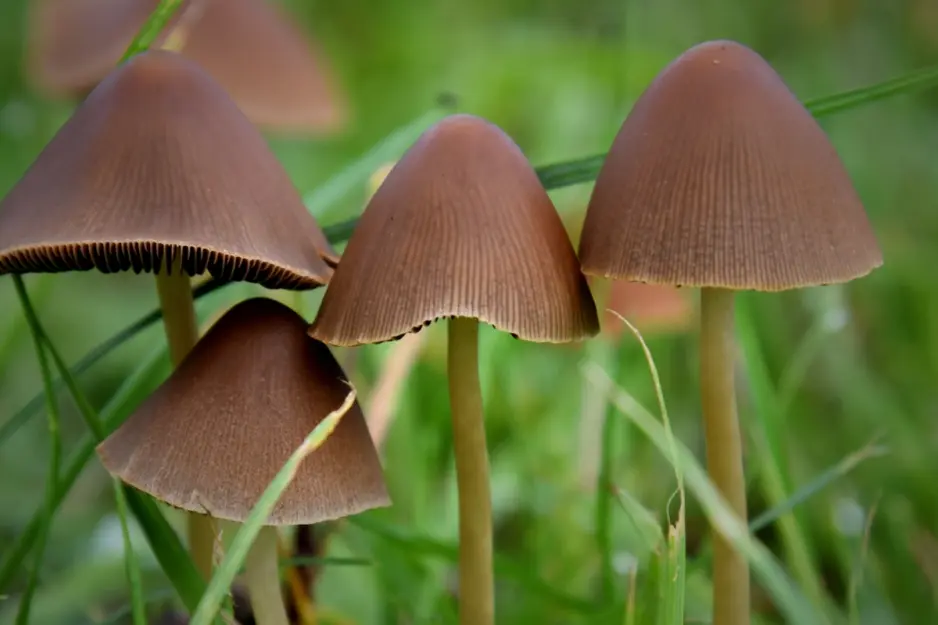
Why are mushrooms growing in my lawn?
Mushrooms sprout in the correct conditions and can spread quite easily (see below). Conditions in which mushrooms thrive tend to be in shaded or moist areas. They can appear pretty much overnight which you can attribute to the right mix of moisture, shade, or cloudy weather along with rich, organic material in the soil. When those elements combine, it’s the mushrooms time to shine.
A heavy crop can also point to buried wood, such as old roots or stumps, a thick thatch layer or poorly draining soil.
How do mushrooms spread?
Rather than spreading seeds, mushrooms produce millions of microscopic spores that blow away into the wind or are spread by feeding animals. If these spores land on a suitable surface (such as wood or soil) spores will germinate to form a network of microscopic rooting threads which penetrate their new food source.
How to get rid of mushrooms in your lawn
The cycle is usually short-lived, and mushrooms will disappear on their own as soon as they have distributed their spores and completed their life cycle. However, the wind will spread the spores, meaning there is a possibility that they will grow into mushrooms in the distant future.
If you're wondering, "how do you get rid of mushrooms in your lawn?" we wouldn’t recommend mowing the mushrooms, as this will cause the spores to spread further. Instead, before mowing, you could pull the mushrooms out from the base to reduce the spread.
If you have heard that applying a fungicide is a good solution, please ignore this practice. Fungicides will only affect the fruiting bodies that are there for a short time; they will have no impact on the ones beneath the soil, which can pop up overnight.
Aerating your lawn can help improve drainage, which in turn, will help decrease the moisture that encourages mushrooms. Aeration will also increase the amount of oxygen that gets to the roots of the grass. Since mushrooms thrive in shaded areas, trimming back any nearby trees or shrubs will allow for more sunlight and help reduce their growth.
Source: https://www.rhs.org.uk/biodiversity/toadstools
Frequently Asked Questions
Unwanted Mushrooms? We Can Help You Tackle the Root Cause
Mushrooms and toadstools are often signs of underlying lawn issues like poor drainage or shade. Our experts can help restore balance and keep your lawn healthy, safe, and fungus-free.
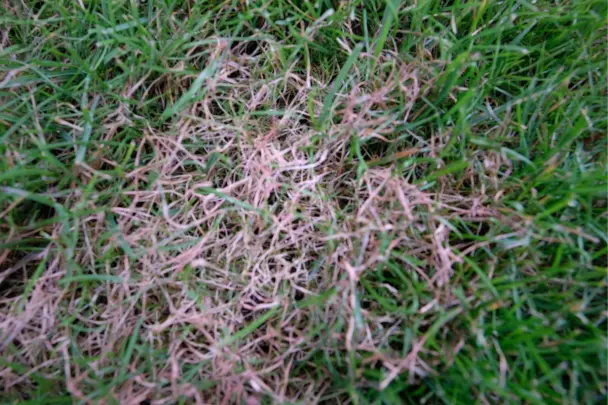
Lawn Disease Management
Focusing on combating common turf diseases like red thread and fusarium patch, using fungicides and cultural practices to reduce infections. These treatments help restore lawn health and promote long-term recovery.
Read More
Lawn Treatment Programmes
Regular treatments ensure your lawn gets the nutrients it needs, helps prevent common lawn issues, and promotes strong, resilient grass. By following a consistent treatment plan, you can enjoy a green lawn that thrives.
Read More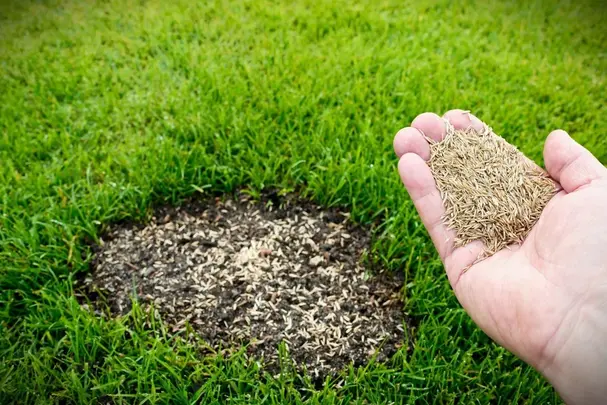
Types of Grass
Choosing the right type of grass can make a big difference in how your lawn looks, feels, and grows. Visit our blog to learn about the different types of grass and find the best one for your lawn.
Read More