
Hollow-Tine vs Fracture-Tine Aeration: What’s the Difference?
Hollow-Tine vs Fracture-Tine Aeration: What’s the Difference?
If you’ve had a lawn aeration treatment before, or you’re thinking about booking one, you might have come across the terms hollow-tine and fracture-tine. While both are designed to improve the health of your lawn, they work in slightly different ways and suit different conditions.
So, which one does your lawn actually need? In this guide, we’ll break down the difference between the two methods in simple terms, so you can understand how each one works and why your GreenThumb team might recommend one over the other.

Author
Leanne Lewis
Reviewed By
Alasdair Boyes
Updated: 5/21/2026
Published: 10/31/2024

A quick note on aeration
Aeration is one of those treatments that makes a big difference below the surface. It helps relieve compaction so the soil can function properly again, allowing air, water, and nutrients to reach the roots more easily.
At GreenThumb, the method used depends entirely on the condition of your lawn, which is why you’ll sometimes hear about different types of aeration being used on different lawns.ent lawn conditions.
Hollow-Tine Aeration: Deep Relief for Compacted Lawns
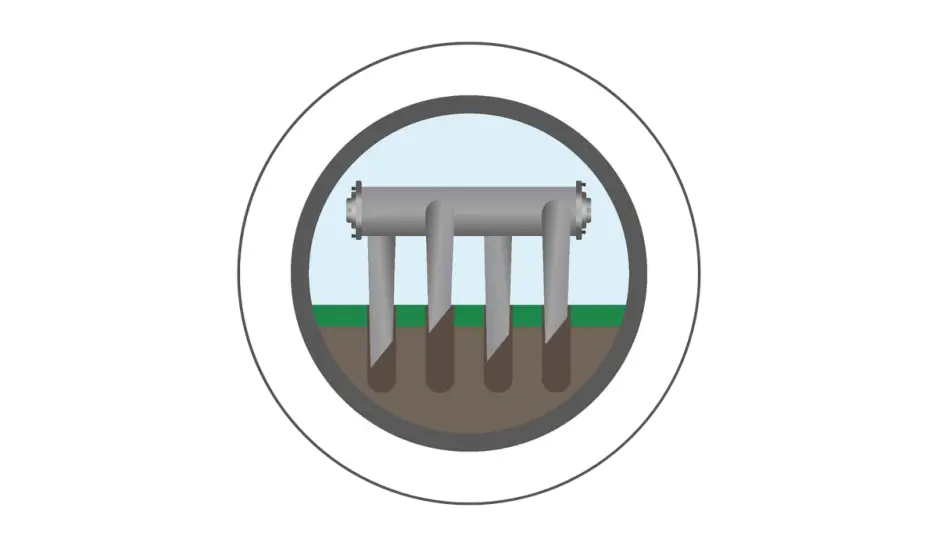
Hollow-tine aeration is the more intensive option. It works by removing small plugs of soil from the lawn, leaving behind visible holes.
It might look a little unusual straight after treatment, but this is a sign that the soil has been properly opened up.
In practice, this method is typically used when:
- The soil is heavily compacted
- The lawn sits on clay or slow-draining ground
- There’s regular heavy foot traffic
By physically taking soil out of the ground, it creates space for fresh air and moisture to move through more freely. Over time, this helps roots grow deeper and strengthens the overall structure of the lawn. This is the method we’d most recommend.
Fracture-Tine Aeration: A Quicker Boost for Healthier Lawns
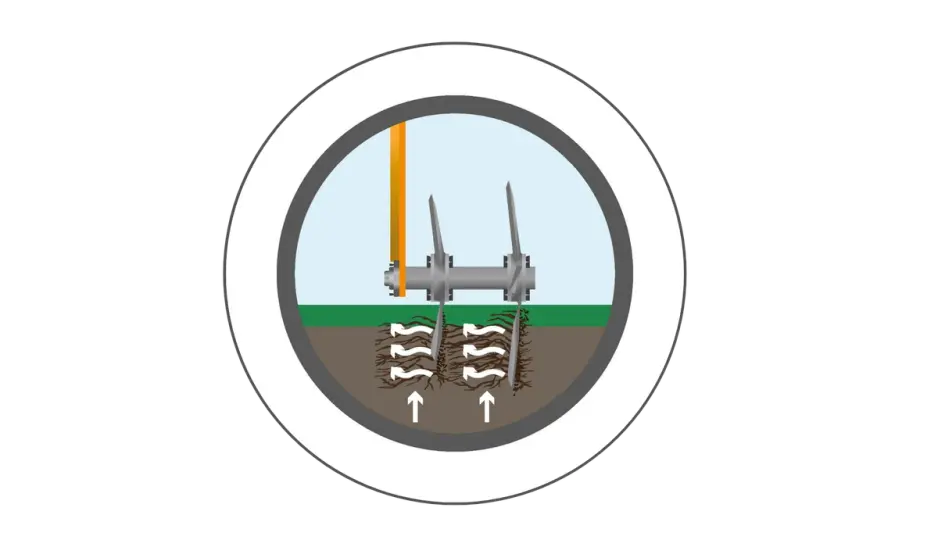
Instead of removing plugs, Fracture-Tine Aeration uses blades to slice into the soil, cracking and loosening it beneath the surface without leaving debris behind.
- Best for: Lawns that are relatively healthy but need a boost in nutrient and water uptake.
Why choose it: It’s fast, tidy, and great for light compaction, improving root access to vital elements without major disruption to the lawn’s surface
Hollow-tine is especially effective for lawns that feel hard underfoot or have puddling after rain. It leaves small cores on the surface that naturally break down or can be brushed in.
Fracture-tine aeration takes a lighter approach. Instead of removing soil, it uses solid tines to penetrate the ground and gently crack or “fracture” the soil beneath the surface.
There are no plugs left behind, so the lawn keeps a neat appearance straight away.
You’ll usually see this method used when:
- The lawn is in generally good condition
- There’s light to moderate compaction
- It’s part of regular lawn maintenance
It’s a useful way to keep soil from becoming compacted again, without the need for a more disruptive treatment.
The GreenThumb Approach
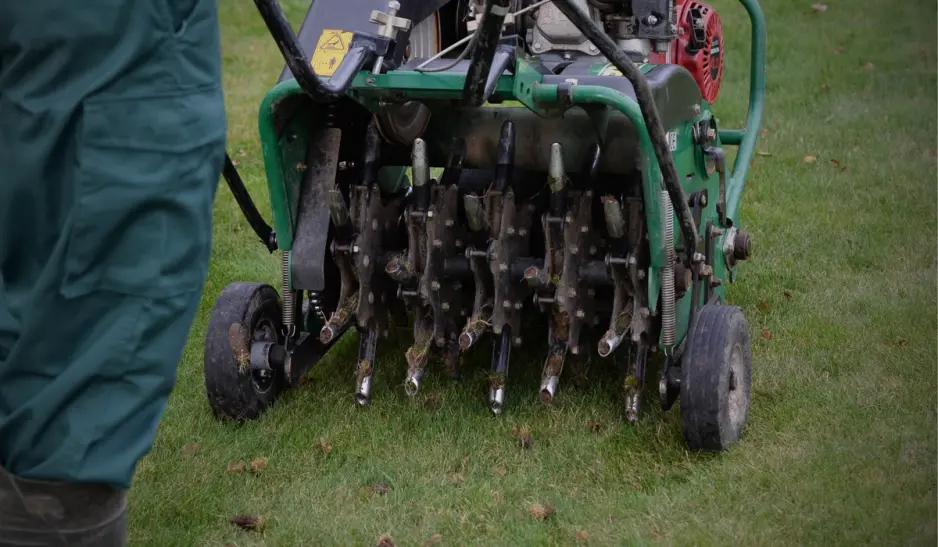
When you choose GreenThumb, you’re not just getting an aeration service—you’re getting a tailored lawn care solution. Our expert operatives use professional-grade machinery that goes deeper and performs better than DIY tools, helping your lawn achieve results that are hard to replicate at home.
Plus, we don’t stop at aeration. We’ll guide you through the ideal post-aeration care steps, from overseeding to tailored fertilisation, so you get the most from your treatment. Whether your goal is better drainage, a thicker lawn, or long-term resilience, we’re here to make it easy—and effective.
Which one is right for your lawn?
It really depends on what’s going on under the surface.
If a lawn is struggling with compaction or drainage, hollow-tine aeration is often the better choice. If it’s already in reasonable condition and just needs routine upkeep, fracture-tine aeration is usually enough.
In many cases, lawns benefit from a mix of both over time, depending on the season and how the lawn is being used.
Why aeration makes such a difference
Aeration isn’t always the most visible treatment, but it’s one of the most important for long-term lawn health.
By improving how the soil works, it helps everything else, feeding, watering, and general lawn care, become more effective. The result is a lawn that’s stronger, healthier, and better able to cope with everyday wear.
Aeration is typically followed by Scarification.
Give Your Lawn Room to Breathe with Professional Aeration
Aeration is one of the most effective ways to relieve compacted soil, improve water absorption, and promote stronger, healthier grass growth.
It’s included as part of our Standard and Ultimate Programmes, and can also be added as an optional treatment to the Basic Programme, so every lawn can benefit from better airflow and root development.
Lawn Aeration
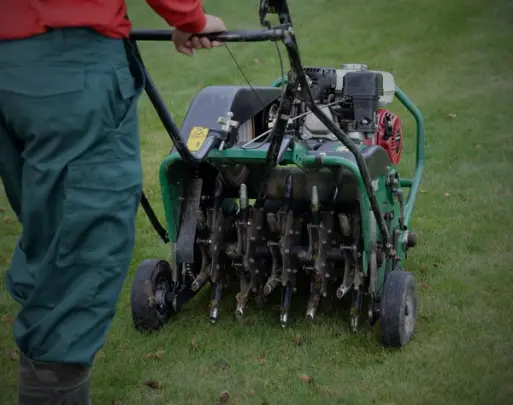
Lawn Aeration improves soil structure by creating holes that allow better air, water, and nutrients to reach grass roots. It helps reduce compaction, promotes healthy growth, and keeps your lawn looking it's best throughout the seasons.
Read More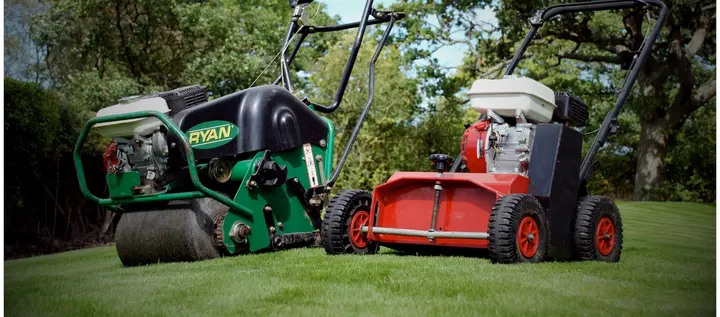
Want a thicker, healthier lawn?
Aeration and Scarification improve overall soil health by boosting airflow, nutrients, and water to grass roots. These essential treatments reduce compaction and thatch, promoting stronger, greener, and more resilient grass.
Read More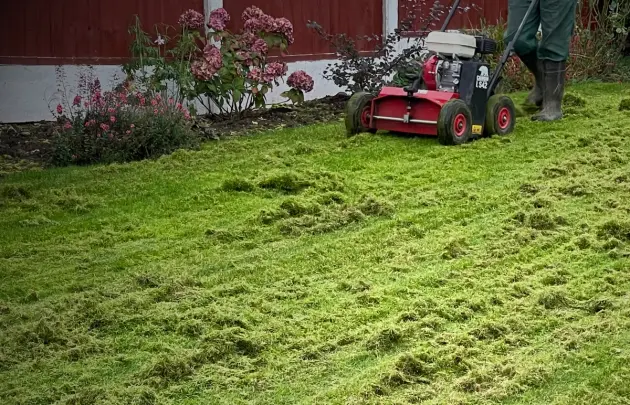
Lawn Scarification
Lawn Scarification is a mechanical process that reduces surface thatch, allowing essential elements like water, air, and fertilisers to reach the grass roots, promoting a healthier, more resilient lawn.
Read More