
Choosing the Best House Plants
House plants do more than just beautify your home—they improve air quality, boost your mood, and create a calming atmosphere. Whether you're a seasoned plant enthusiast or just starting your indoor gardening journey, selecting the right house plants can feel both exciting and overwhelming. With so many varieties to choose from, understanding their specific needs is key to keeping them thriving. In this guide, we'll explore the best house plants for different lighting conditions, low-maintenance options for beginners, and essential care tips to help your greenery flourish. 🌿✨


House plants not only enhance the aesthetic appeal and freshness of your indoor spaces, but they also offer numerous health benefits. Whether you are an experienced plant enthusiast or a novice, selecting the right house plants can be both exhilarating and daunting.
Introduction to House Plants
House plants bring beauty and elegance to your living space, while also offering significant health benefits. Studies have shown that house plants can improve indoor air quality by removing toxins and releasing oxygen. They act as natural air purifiers, reducing harmful pollutants and increasing humidity, which is especially beneficial during the dry winter months.
Moreover, house plants have been proven to enhance mental well-being. Their presence can reduce stress, elevate mood, and increase productivity. Caring for plants can be therapeutic, promoting relaxation and providing a sense of purpose.
There is a wide variety of house plants to suit different preferences and skill levels, from low-maintenance succulents and cacti to vibrant flowering plants and lush tropical foliage. Each type of house plant has unique characteristics, care requirements, and aesthetic appeal. Some plants thrive in bright, direct sunlight, while others prefer indirect or low light conditions. Certain plants require regular watering, while others can tolerate drought. Understanding the specific needs of different house plants will help you make informed decisions when choosing indoor plants for your home.
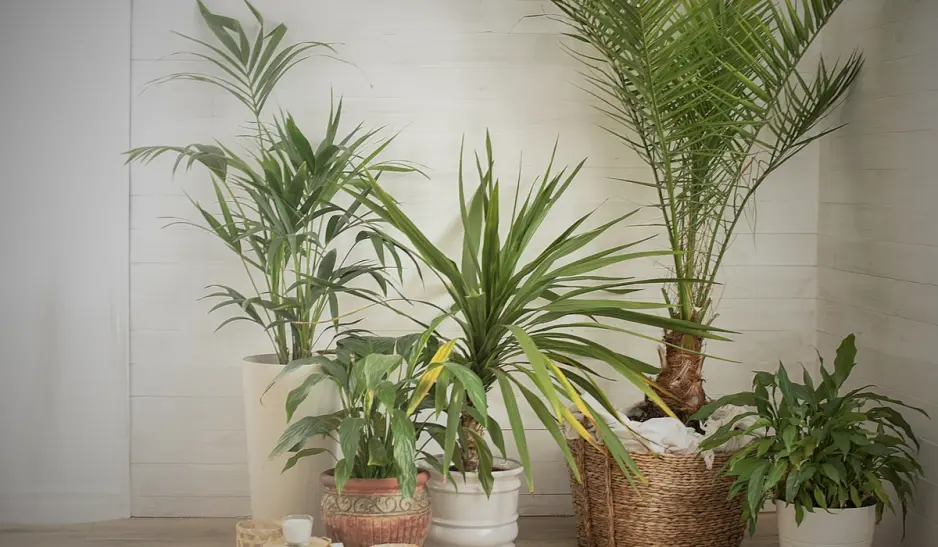
"Create a serene and stylish indoor oasis with the perfect house plants for any space
Factors to Consider When Choosing House Plants
To ensure you select the best house plants for your home, consider the following factors:
Light Requirements: Different plants have varying light needs. Some thrive in direct sunlight, while others prefer indirect or low light conditions. Assess the natural light available in the intended location before purchasing a house plant to determine which plants will flourish there.
Space and Size Considerations: Consider the available space in your home and the size of the plant you want. Some plants can grow quite large, while others are more compact. If you have limited space, opt for smaller plants or those that can be placed on shelves or in hanging baskets.
Maintenance and Care Needs: Choose house plants that align with your lifestyle and the level of care you can provide. Some plants require frequent watering and misting, while others are more drought tolerant. Additionally, consider the amount of time you can dedicate to pruning, fertilising, and repotting.
Best House Plants for Beginners
For beginners, it's best to choose low-maintenance houseplants and hardy plants that are easy to care for. Here are some excellent options:
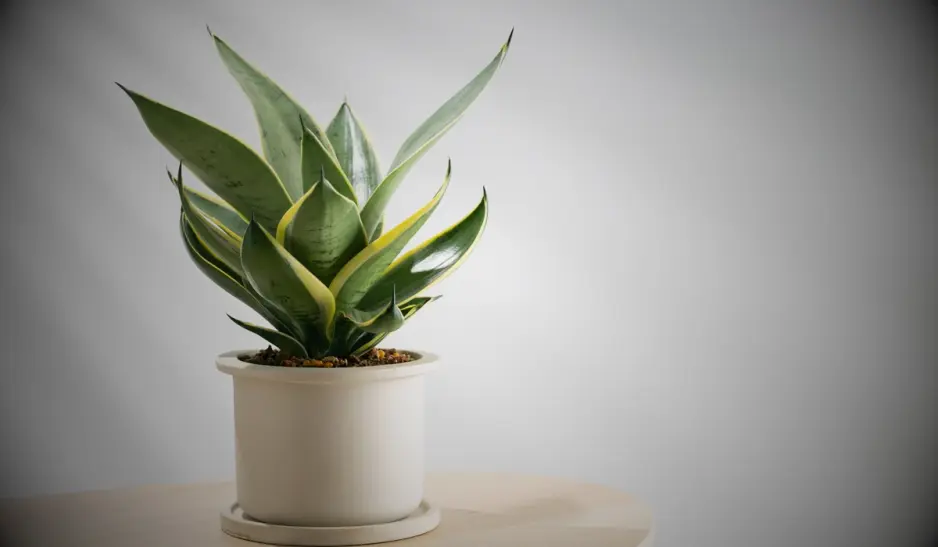
Low Maintenance Houseplants: If you're looking for plants that require minimal care, consider the Snake Plant (Sansevieria). It thrives in low light conditions and only needs watering every few weeks. Another great choice is the Spider Plant, known for its air-purifying qualities and ability to withstand neglect.
Hardy Indoor Plants: For beginners who may not have the greenest thumb, hardy indoor plants like the Peace Lily are ideal. The Peace Lily can tolerate low light and irregular watering, and it also helps remove toxins from the air. Another hardy option is the ZZ Plant, which can survive in various light conditions and requires infrequent watering.
House Plants for Different Light Conditions
Different house plants have different light requirements. Here are some recommendations based on various lighting conditions:
Best Plants for Low Light: If you have a room with minimal natural light, consider plants like the Snake Plant, ZZ Plant, or Peace Lily. These plants can thrive in low light environments and require minimal maintenance.
Best Plants for Medium Light: For rooms that receive moderate amounts of light, you have a wider variety of choices. Popular options include the Spider Plant, Pothos, and Dracaena. These plants can tolerate medium light conditions and add greenery to your space.
Best Plants for Bright Light: If you have a sunny spot in your home, select plants that love bright light. Consider the Fiddle Leaf Fig, Rubber Plant, or Aloe Vera. These plants thrive in bright light conditions and can add vibrancy to your indoor space.
How to Care for Your House Plants
Proper care and maintenance are essential for the health and longevity of your house plants. Here are some tips to help your plants thrive:
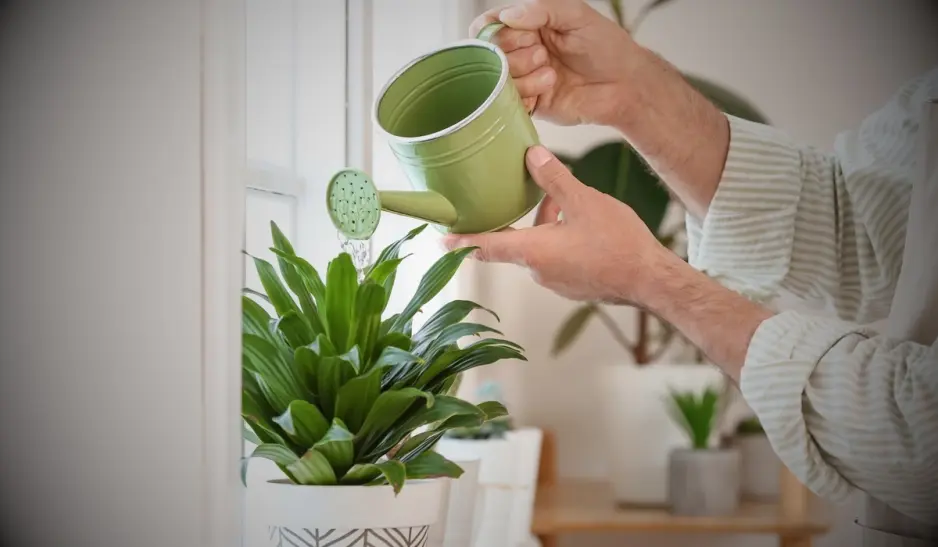
Watering Tips: Different plants have different water requirements. Most house plants prefer to be kept evenly moist but not overly saturated. Check the soil moisture by sticking your finger about an inch deep into the soil. If it feels dry, it's time to water. Use room temperature water and avoid overwatering, as this can lead to root rot.
Fertilising Guidelines: House plants benefit from regular fertilising to provide them with essential nutrients. Choose a balanced liquid fertiliser and follow the instructions on the packaging. During the growing season, fertilise your plants every two weeks. In the winter months, reduce the frequency to once a month. Be cautious not to over-fertilise, as this can cause nutrient burn and damage the plants.
Common Plant Issues and Solutions:
- Yellowing Leaves: This can be a sign of overwatering or lack of sunlight. Adjust your watering schedule and move the plant to a brighter location.
- Wilting Leaves: This is often a sign of underwatering. Increase your watering frequency and ensure the plant is placed in a suitable spot with adequate light.
- Pests: Common pests like aphids, mealybugs, and spider mites can affect house plants. Treat the infestation with organic insecticidal soap or neem oil.
Where to Buy the Best House Plants
When choosing the best house plants, it's important to know where to buy them. You have several options to find the perfect plants for your home, whether you prefer shopping online or visiting local garden centres.
Online Shopping: Online plant shops offer a vast array of house plants, from trendy succulents to elegant orchids. You can browse through extensive catalogues, read detailed descriptions, and compare customer reviews to make an informed decision. Some online plant shops even provide helpful tips and care instructions to ensure your new plants thrive in their new environment.
Local Garden Centres: Visiting a physical store can be an enjoyable experience. Local garden centres often have knowledgeable staff who can provide expert advice and guidance on choosing the best house plants for your specific needs. You can explore different varieties, touch and feel the plants, and ask questions to ensure you're making the right choice. Additionally, many garden centres offer a wide range of gardening supplies and accessories, making it a one-stop-shop for all your gardening needs.
Bring the Same Care Outdoors
Looking after house plants is a great way to learn about nurturing greenery—why not extend that care to your lawn?
From soil health to year-round nutrition, GreenThumb treatments support strong root growth, better drought resistance, and lush, vibrant grass.
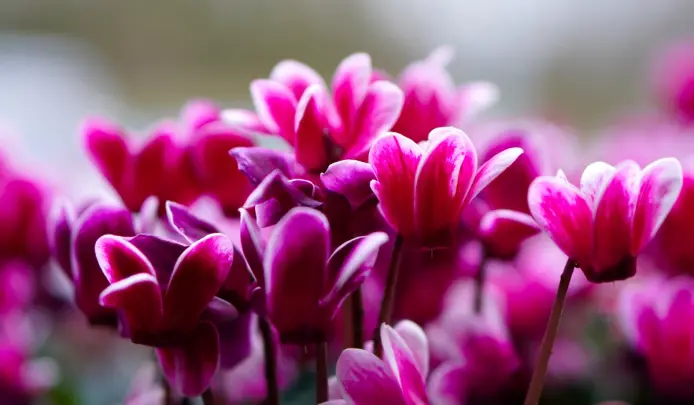
What Plants Bloom in Winter
GreenThumb’s blog highlights various plants that bloom during winter, adding vibrant colour to your garden during the colder months. Featured plants include Winter Jasmine and Christmas Rose.
Read More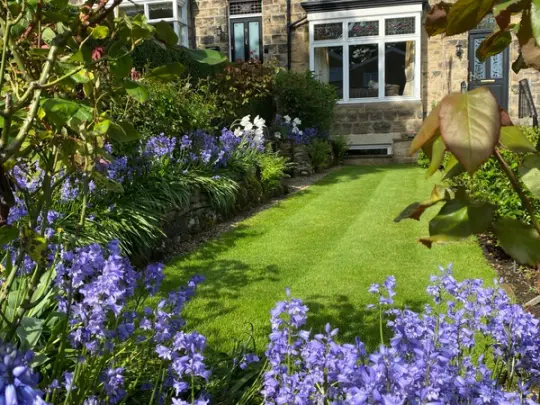
Why should I treat my lawn?
Lawn treatments are essential for keeping your lawn healthy and vibrant, tackling issues like pests, disease, and nutrient deficiencies. GreenThumb’s tailored treatments keep your lawn lush, green, and strong all year round.
Read More
Lawn Treatment Programmes
Regular treatments ensure your lawn gets the nutrients it needs, helps prevent common lawn issues, and promotes strong, resilient grass. By following a consistent treatment plan, you can enjoy a green lawn that thrives.
Read More