
Autumn lawn care: 8 jobs to do this season
Autumn is a very important time of year for your lawn. After a long summer of use, heat and dry spells, your grass needs a chance to repair before winter sets in. In this guide, we'll walk you through the eight jobs to do this autumn, and when to do them.


Why is autumn lawn care so important?
In autumn, grass stops putting its energy into growing leaves and focuses on its roots instead. That makes it the ideal time to fix summer damage, thicken up thin areas and build a strong root system that can cope with frost, waterlogging and disease over winter.
It's also when many common lawn problems take hold. Fallen leaves, moss, fungi and pests like leatherjackets are all at their most active from September onwards, so tackling them early saves a lot of repair work in spring.
8 autumn lawn care jobs
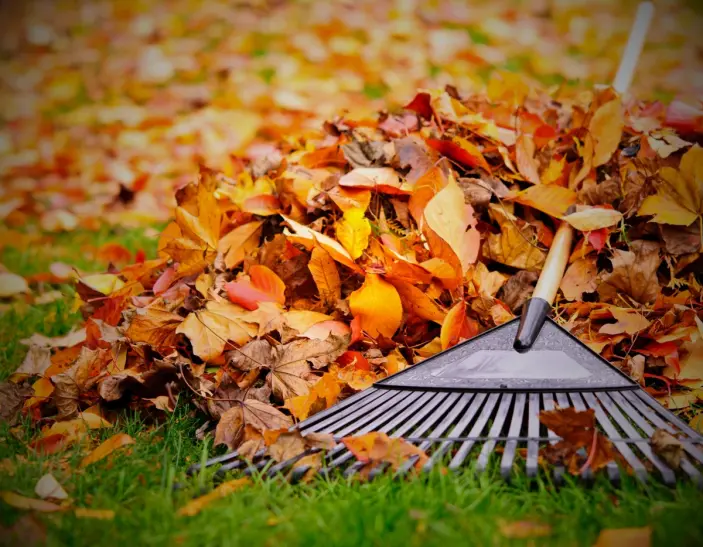
1. Clear fallen leaves and debris
Fallen leaves might look harmless, but left on your lawn they block out light, trap moisture and create the perfect conditions for moss, lawn disease and mushrooms. Grass underneath can also quickly turn yellow and thin out.
Rake or blow leaves off your lawn at least once a week while they're falling, and clear twigs and other debris too. Short on time? Our Seasonal Tidy Up service clears leaves and debris so your garden's ready for winter.
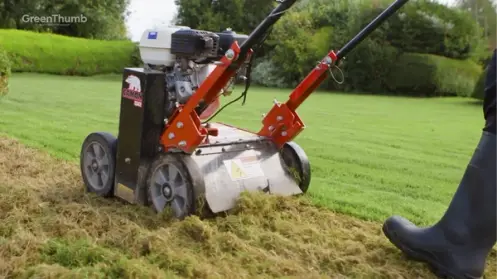
2.Scarify to remove thatch and moss
Over the summer, a layer of dead grass, moss and debris called thatch builds up on the soil surface. Too much of it stops water, air and nutrients reaching the roots.
Scarifying rakes this layer out and gives your grass room to thicken up. September and through to early November is the ideal time to do it, while the grass is still growing and can recover quickly. Your lawn may look rough for a few weeks afterwards, but it will come back stronger. Not sure if your lawn needs it? Find out when to scarify your lawn.
Rather leave it to the experts? Our scarification treatment removes thatch and moss.
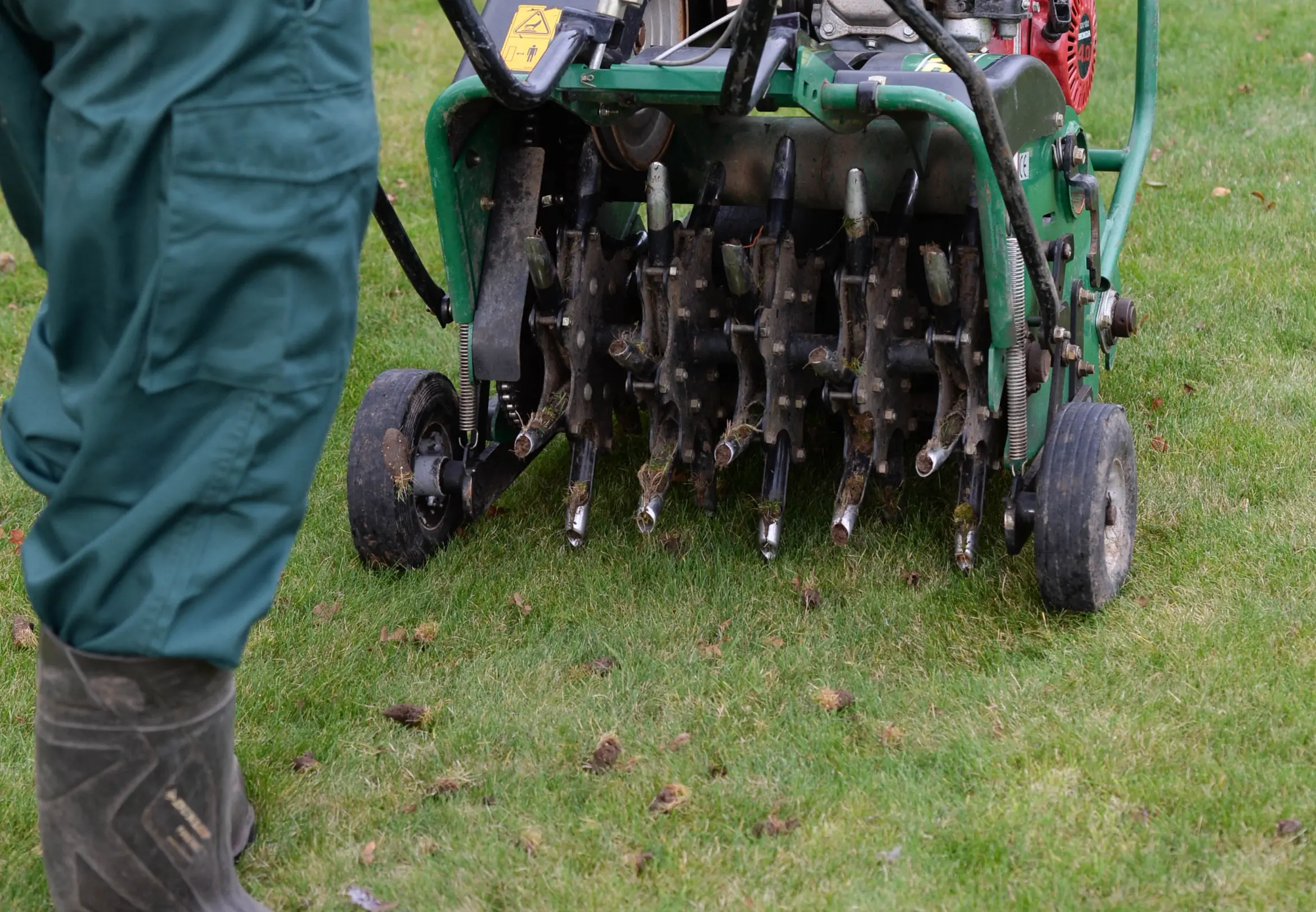
3.Aerate compacted soil
Summer barbecues, kids and pets can leave your soil squashed and compacted. Aerating makes small holes in the lawn, letting air, water and nutrients get down to the roots and helping the lawn drain properly over winter.
Autumn is a great time to aerate, ideally at the same time as scarifying. Read our guide on how to aerate your lawn.
Want it done properly? Our aeration treatment relieves compaction.
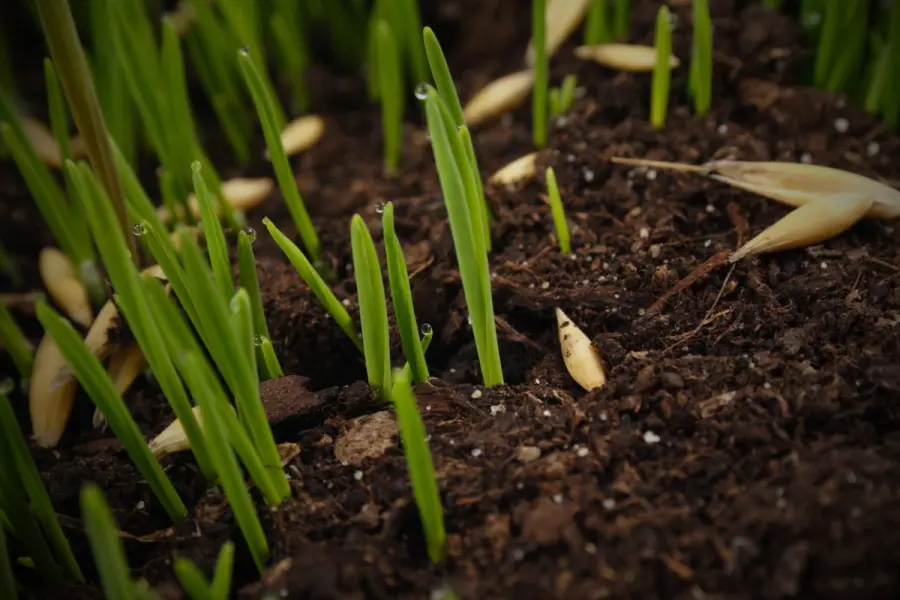
4. Overseed thin or bare patches
After scarifying and aerating, it's the perfect time to overseed. The soil is still warm enough for seed to germinate, and autumn rain helps keep it moist. Aim to overseed by early mid October so the new grass can establish before the first frosts.
Spread seed evenly over thin areas, rake it in lightly and keep the soil moist until it germinates.
Our overseeding and top dressing treatment gives your lawn a professional finish.
5. Apply an autumn lawn feed
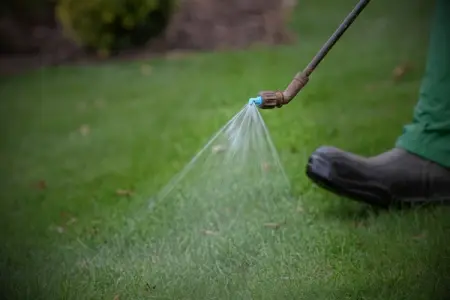
Autumn feeds are different from spring and summer ones. They're lower in nitrogen, so they don't push lots of soft leafy growth that could be damaged by frost, and higher in potassium to toughen up the grass and strengthen its roots for winter.
NutraGreen Autumn/Winter Long is included in our lawn care programmes.
6. Check for Leatherjackets and Chafer Grubs
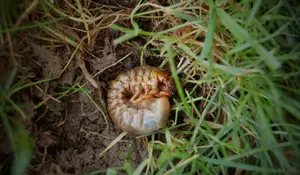
Autumn is when lawn pests start doing damage. Look out for yellow-brown patches, grass that lifts easily and more birds pecking at your lawn. These are all signs of Leatherjackets or Chafer Grubs feeding on the roots.
Spotted the signs? Our pest treatment tackles leatherjackets and chafer grubs.
7. Keep an eye out for moss, mushrooms and disease
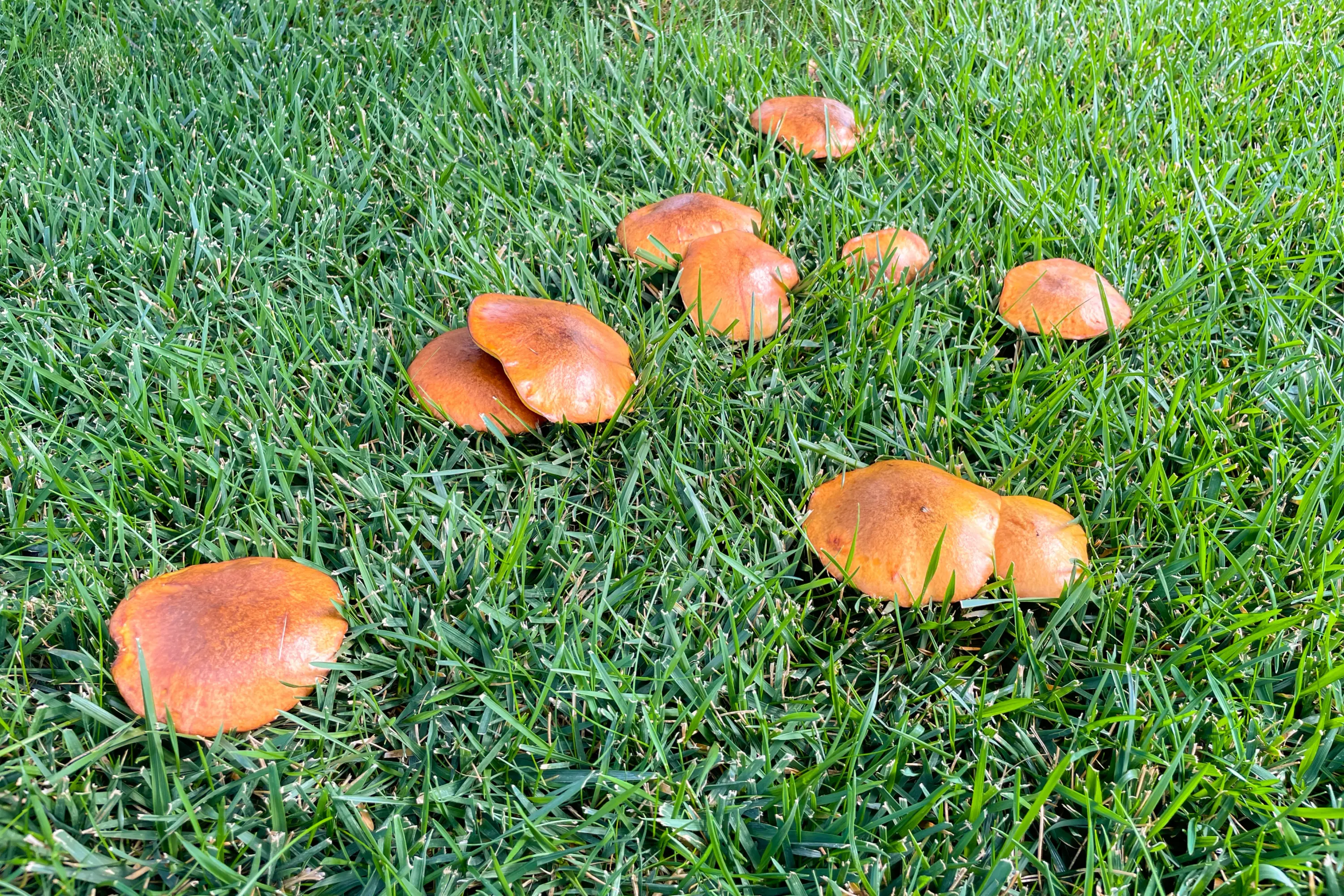
Cooler, wetter weather brings a rise in moss, mushrooms and lawn diseases like fusarium patch. Most are a sign of damp, shady or poorly draining conditions, so the jobs above will help keep them in check.
Spotted discoloured patches? Our guide covers the most common autumn lawn diseases and how to treat them
8. Adjust your mowing
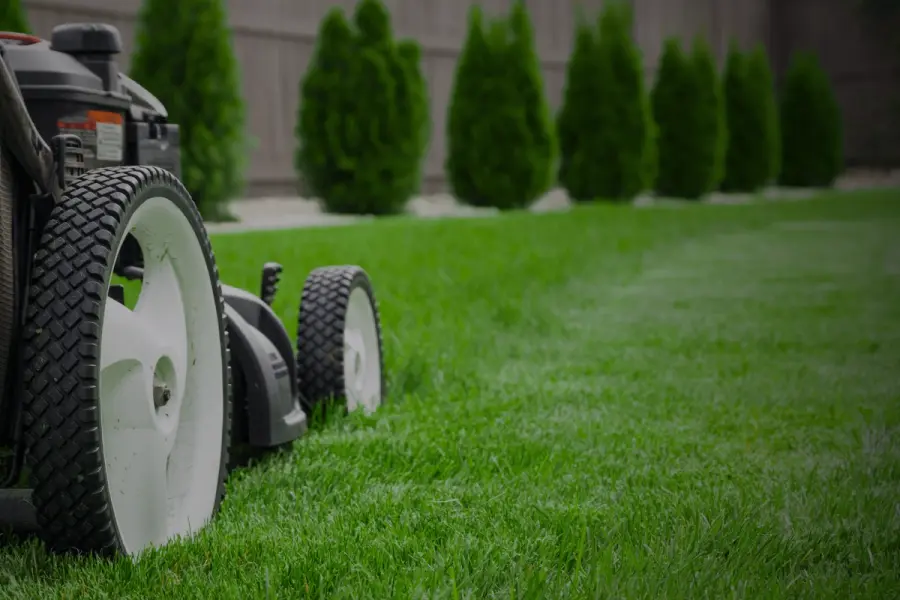
Keep mowing while the grass is still growing, but raise the height of your mower blades so the grass is left slightly longer. This helps it cope with cooler temperatures and less light.
Most lawns get their last cut in October or November, once growth slows right down. Avoid mowing when the grass is very wet or frosty, and try to keep off the lawn when it's frozen, as footprints can damage the grass.
Your autumn lawn care calendar
Timing matters in autumn. Use this as a guide, as exact timings will depend on the weather where you are.
September:

Scarify and aerate
Overseed thin patches
Check for leatherjackets and chafer grubs
start clearing leaves
October:
Finish overseeding early in the month
Apply an autumn feed
Treat pests
Clear leaves weekly
Raise your mowing height
November:
Keep clearing leaves
Give the lawn its last cut once growth slows
Keep off the lawn when it's frosty or waterlogged
FAQ's
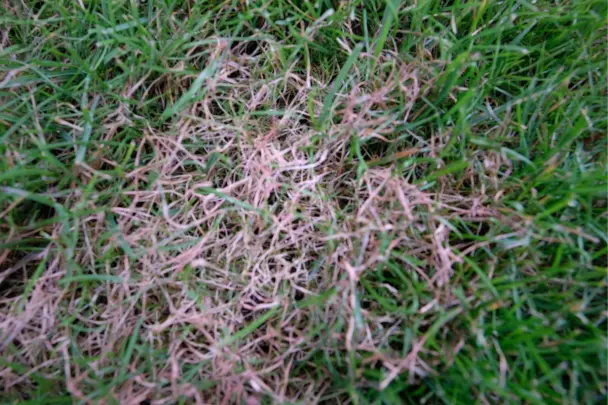
Lawn Disease Management
Focusing on combating common turf diseases like red thread and fusarium patch, using fungicides and cultural practices to reduce infections. These treatments help restore lawn health and promote long-term recovery.
Read More
Lawn Treatment Programmes
Regular treatments ensure your lawn gets the nutrients it needs, helps prevent common lawn issues, and promotes strong, resilient grass. By following a consistent treatment plan, you can enjoy a green lawn that thrives.
Read More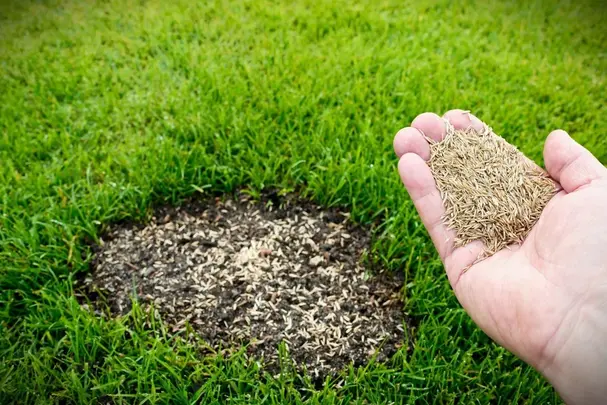
Types of Grass
Choosing the right type of grass can make a big difference in how your lawn looks, feels, and grows. Visit our blog to learn about the different types of grass and find the best one for your lawn.
Read More