
When to Scarify your Lawn in the UK and Why
A lush lawn is every gardener’s pride, but moss, thatch, and debris can make grass patchy and weak. Scarification removes buildup, improves aeration, and promotes thicker growth. Knowing when to scarify your lawn is crucial, too early or late can stress your grass. This guide explains how and when to scarify a lawn, signs your lawn needs it, and how GreenThumb can help you achieve a healthier, more resilient lawn year-round.


When to Scarify Your Lawn: Complete UK Guide
A healthy, vibrant lawn is more than just regular mowing and watering. Over time, moss, dead grass, and organic debris can build up, creating a thick layer called thatch that prevents air, water, and nutrients from reaching the soil. Lawn scarification is the process designed to tackle this problem, revitalising your grass and encouraging stronger growth.
Understanding Lawn Scarification
Scarification is essentially raking, but with a purpose. It removes moss, thatch, and other debris that accumulate at the base of the grass. While a thin layer of thatch is natural, an excessive build-up can suffocate your lawn, leaving it patchy and weak.
Scarification can be carried out manually using a spring-tine rake or with a powered scarifier, which is the method we recommend for best results. While it might seem aggressive, scarification is essential for long-term lawn health, improving air circulation to the roots, allowing water and nutrients to penetrate the soil, and promoting thicker, greener growth.
Signs that your lawn may need scarifying include spongy patches, visible brown layers at the soil line, slow growth, or an increase in moss coverage. Spotting these signs early ensures your lawn gets the care it needs at the right time.
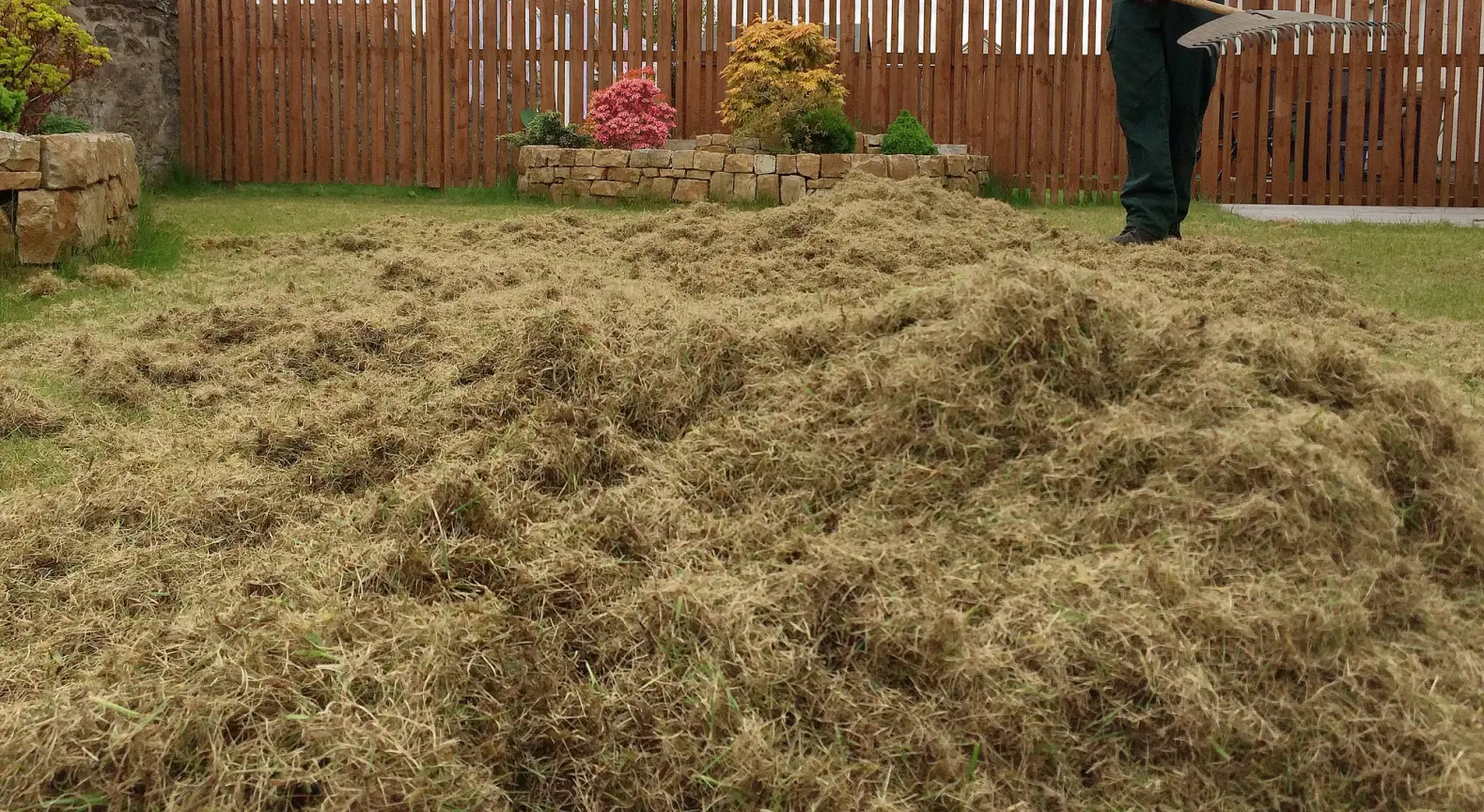
Just after scarification — look at all the thatch removed. Clearing this buildup helps the lawn breathe, absorb nutrients, and grow thicker.
How Scarification helps your lawn
- Improved soil aeration for stronger roots
- Enhanced water and nutrient penetration
- Reduced moss growth
- Promotion of thicker, healthier grass
Best Time to Scarify Your Lawn in the UK
Timing is key when it comes to scarification. UK lawns generally benefit from treatment during the growing seasons, but the approach differs depending on whether it’s spring or autumn.
- Spring Scarification (March–April) is ideal for light moss removal and refreshing your lawn after winter. Grass begins active growth during this period, meaning it can recover quickly. This is the perfect time for a light pass to remove debris without stressing the lawn.
- Autumn Scarification (September–October) is better suited for heavier thatch removal and lawn renovation. With warm soil and sufficient rainfall, grass recovers effectively, especially if you plan to overseed or apply fertiliser.
Several factors can affect timing, including soil moisture, weather conditions, and grass type. Cool-season grasses common in UK lawns respond best in spring and autumn. Over-scarifying or attempting treatment during frost or drought can damage your grass.
Most lawns benefit from light scarification once per year, while heavier treatments are usually spaced every one to two years. Moss-prone lawns may require more frequent attention.
Preparing Your Lawn for Scarification
Proper preparation ensures the best results. Start by mowing your lawn; this allows the scarifier to reach the thatch layer effectively. Check that the soil is moist but not waterlogged or frozen. Scarifying in poor conditions can damage healthy grass.
Next, gather the right equipment. For smaller areas, a hand rake may suffice, but larger lawns or heavier moss infestations are better handled with a powered scarifier. Ensure you have collection bags or a rake ready to remove debris after scarifying.
Taking time to prepare your lawn properly reduces stress on the grass and makes recovery faster and easier.
How to Scarify Your Lawn
Scarifying doesn’t have to be intimidating if done carefully. Begin with a shallow pass over the lawn to avoid removing too much healthy grass. For heavily thatched lawns, you can repeat to ensure thorough coverage.
After scarifying, remove all debris. Leaving moss and thatch on the surface can undo the benefits. Once cleared, it’s the ideal moment to overseed thin patches and apply fertiliser, giving your lawn the nutrients it needs to bounce back.
Common mistakes to avoid include:
- Scarifying during frost, drought, or waterlogged conditions
- Cutting too deeply in one pass
- Skipping post-scarification care
- Scarifying newly laid turf
Done correctly, scarification encourages strong roots, reduces moss growth, and promotes a thicker, greener lawn.
Post-Scarification Care
After scarifying, your lawn may look bare or patchy, don’t worry, this is normal. Water lightly if conditions are dry and avoid heavy foot traffic until grass recovers. Regular feeding and overseeding during this period help the lawn grow back healthier and more resilient.
For ongoing lawn health, scarification works best alongside other practices such as aeration, moss control, and balanced fertilisation. Addressing underlying issues like poor drainage or shade will prevent problems from recurring.
How GreenThumb Can Help
While scarification is essential, it can be physically demanding and tricky to get right. GreenThumb offers professional lawn care services to ensure the process is done safely and effectively. Their trained specialists will assess your lawn, determine the best time to scarify, use professional-grade equipment, and apply aftercare treatments tailored to your lawn’s needs.
Whether your lawn needs a seasonal refresh or a full renovation, GreenThumb helps you achieve long-lasting results, giving you a thicker, greener lawn without the stress and effort.
Knowing when to scarify your lawn is crucial for a healthy lawn. Spring and autumn provide the most effective windows, but the condition of your lawn and weather patterns also matter. Scarification removes thatch, boosts root health, improves nutrient uptake, and encourages dense, vibrant growth.
If you’re unsure when to scarify or want professional results, GreenThumb can help transform your lawn. Healthy grass starts beneath the surface, and scarification is the first step toward achieving it.
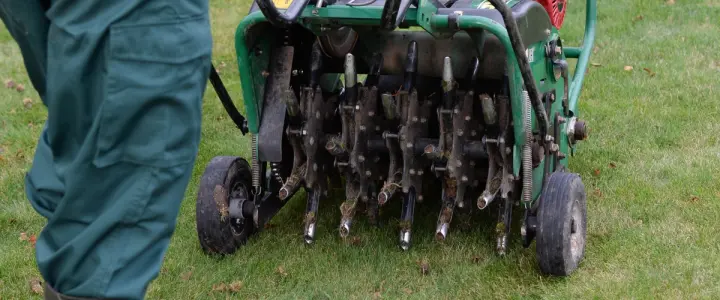
How to Aerate Your Lawn in the UK – And Why It Pays to Let Us Handle It
Author: Leanne Lewis
Published: 20/08/2025
Read time: 5 mins
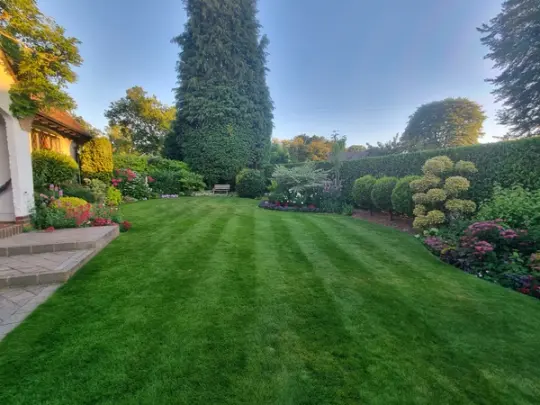
Spring Tips for your Lawn
Author: Jade Ivory
Published: 20/03/2024
Read time: 4 mins
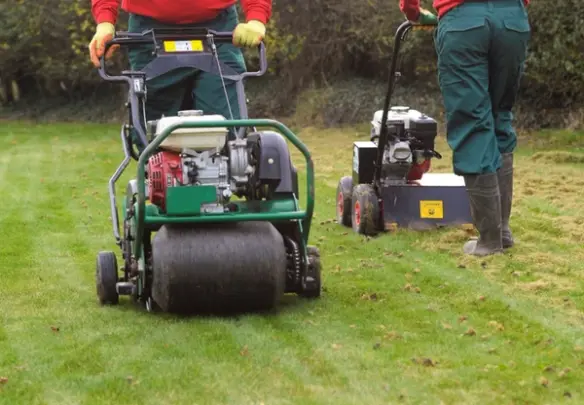
Why your lawn needs Aeration and Scarification
Author: Jade Ivory
Published: 05/09/2025
Read time: 7 mins