
What are lawn weeds and why are they a problem?
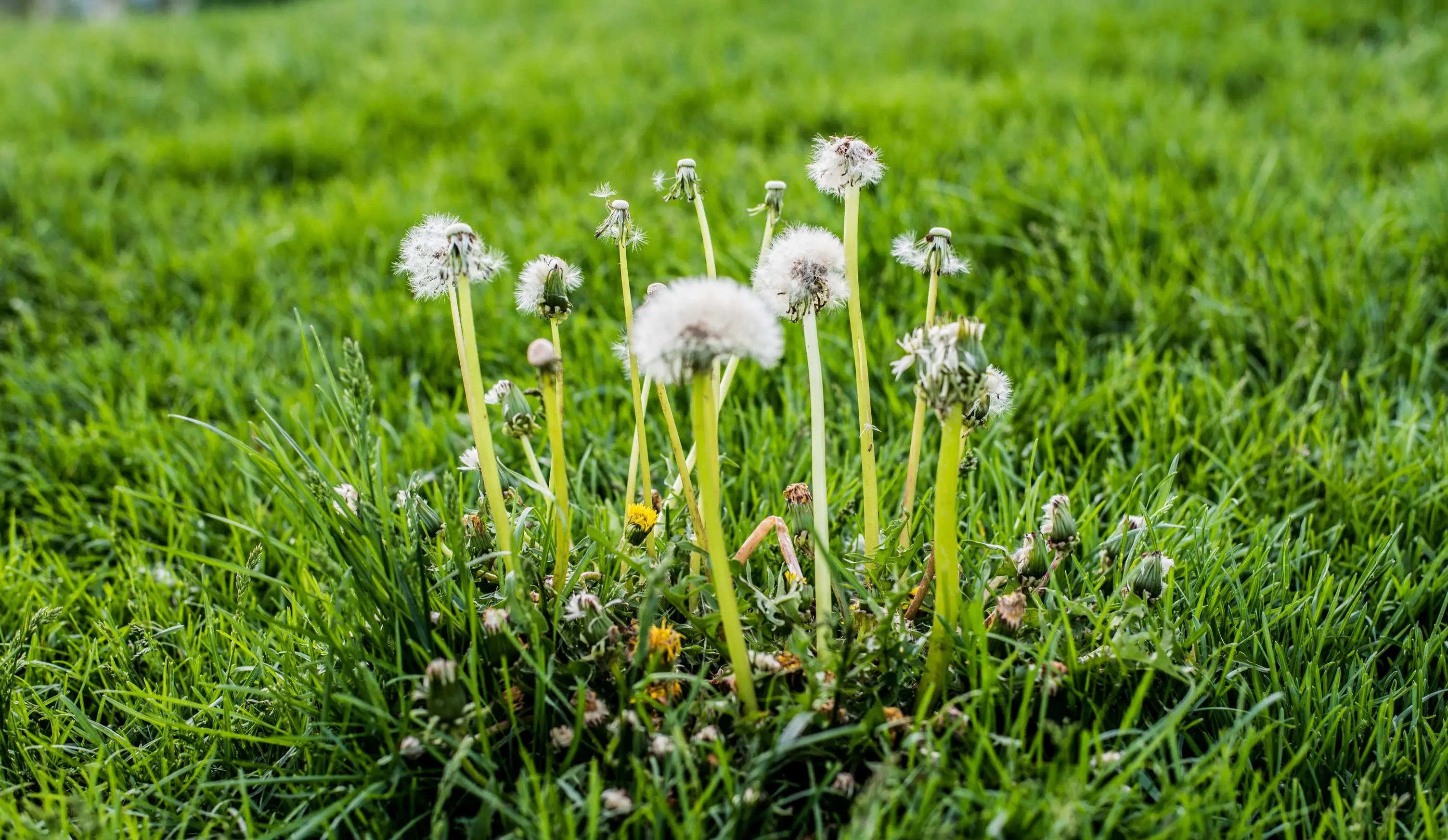
Lawn weeds are unwanted plants that grow alongside your desired grass. They can quickly take over your lawn, competing for nutrients, water, and sunlight. Not only do they ruin the appearance of your garden, but they also pose a threat to the health of your grass. One significant issue with weeds in my lawn is their rapid spread. If left untreated, they can quickly take over your entire lawn.
Common Lawn Problems
In addition to weeds, other common lawn problems can exacerbate weed growth. Issues like poor soil health, compaction, improper watering, and insufficient sunlight create an environment where grass struggles to grow. Weeds are opportunistic and can thrive in these conditions, worsening the overall health of your lawn. Moss, bare patches, and fungal diseases are also common problems that contribute to a lawn's decline and allow weeds to flourish.
Invasive Lawn Weeds
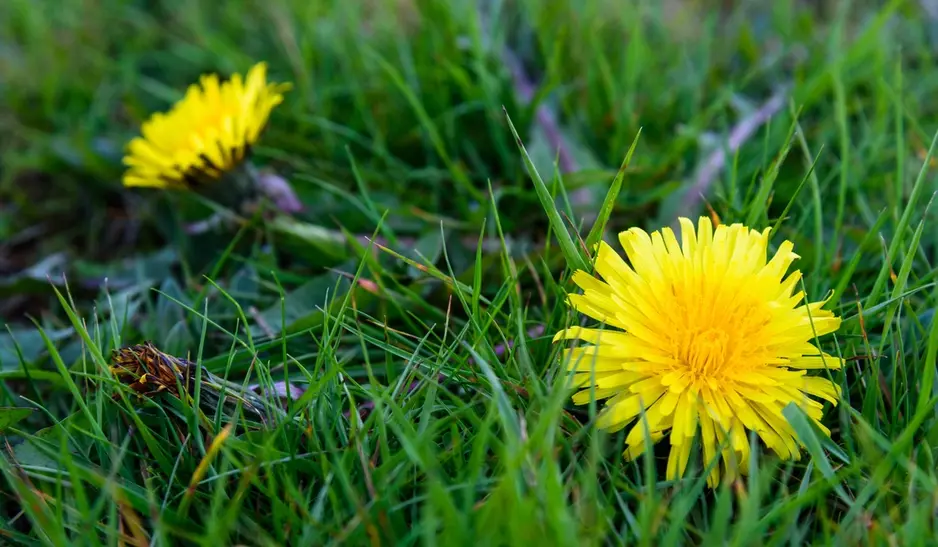
Invasive lawn weeds are aggressive species that can be especially difficult to control. They spread rapidly and frequently outcompete grass for essential resources like nutrients, water, and sunlight. A common example is dandelions, which develop deep root systems that make them particularly tough to eradicate. Their invasive nature makes them a constant problem as they can quickly spread from neighbouring properties or areas of disturbed soil.
Our expert weed control targets even the most stubborn lawn invaders.
Weed control is included in all our Lawn Care Programmes.
Preventing Lawn Weeds
When it comes to maintaining a beautiful and healthy lawn, one of the biggest challenges is dealing with grass weeds. There are some misconceptions about lawn weed control. For instance, pulling weeds by hand often fails to address the root cause. Similarly, mowing the lawn very short can weaken the grass, making it more vulnerable to weed invasion. Fortunately, there are several effective practices you can implement to prevent weed growth and maintain a weed-free lawn.
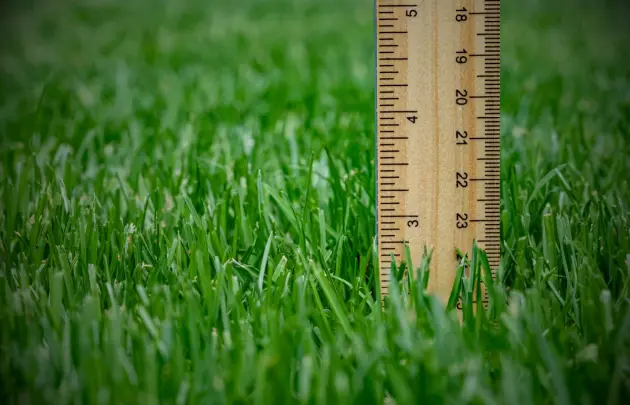
Proper lawn maintenance is crucial in preventing lawn weed growth. Regular mowing at the appropriate height helps to keep your grass healthy and dense, leaving less room for weeds to take root. It is recommended to mow your lawn at a height of about 2-3 inches, as this promotes stronger root growth and shades the soil, making it harder for weeds to germinate.
Mowing Tips
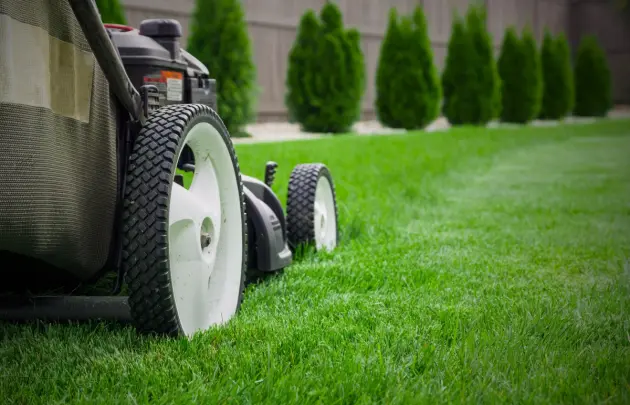
Mow at the Right Height
Set your mower blade to the recommended height for your grass type. We recommend not less than 25mm (1”). This should be increased to at least 50mm (2”) during dry spells.
Keep Blades Sharp
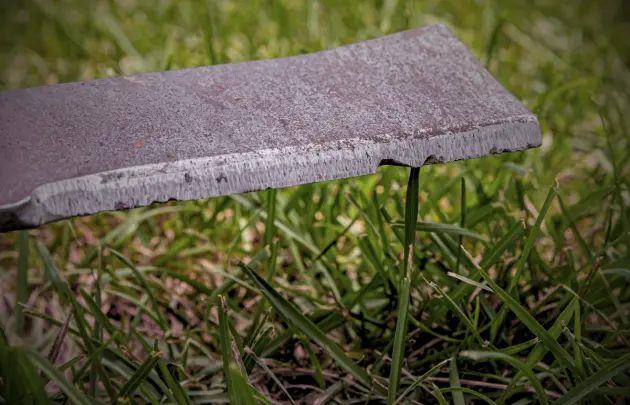
Ensure your mower blades are sharp to make clean cuts. Dull blades tear the grass, causing damage and increasing susceptibility to disease.
Mow Regularly
Regular mowing helps your grass grow thick and strong, making it harder for weeds to take hold and spread across your lawn.
Another important factor in preventing weeds in grass is choosing the right grass type for your region. Different grass species have varying levels of resistance to weeds, so selecting a grass type that is well-suited to your climate and soil conditions can make a significant difference, consulting with your local GreenThumb branch will help you make an informed decision on the most suitable grass seed for your lawn.
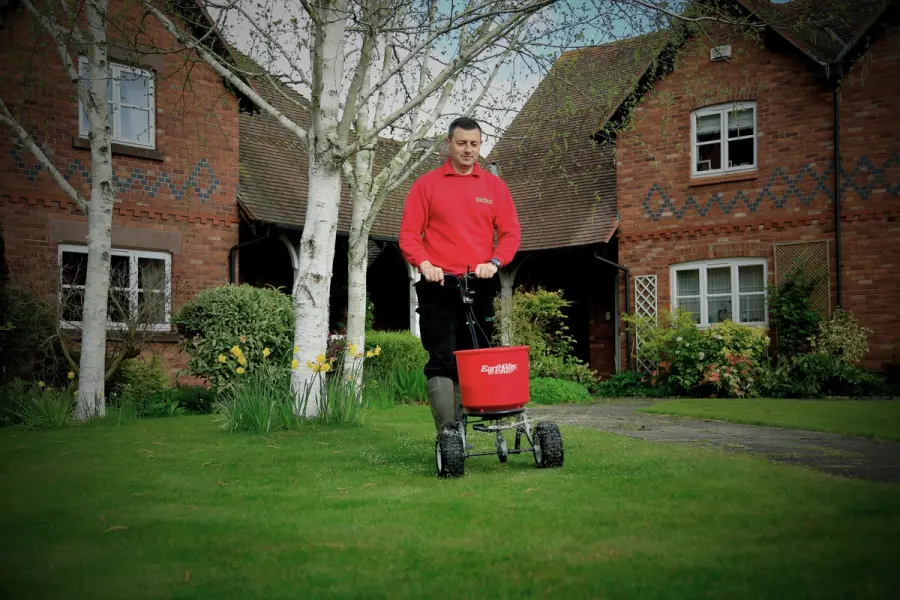
Additionally, the proper use of fertilisers and herbicides can play a crucial role in preventing weed growth, which is where GreenThumb come in, providing targeted treatments that help keep your lawn free from common weeds in grass UK.
Do GreenThumb's treatments deal with my weeds?
Yes, GreenThumb’s treatments target most common lawn weeds. You’ll see a significant reduction after just one treatment, but ongoing care is needed to keep your lawn weed-free as new weeds can appear over time.
Common Lawn Weeds
There are numerous types of lawn weeds that you may encounter in your garden. Below is a selection of the most common lawn weeds, although your local GreenThumb operative will be able to advise you on lawn weed identification UK during a lawn analysis, so you can address any more difficult or exotic types of grass weeds UK.
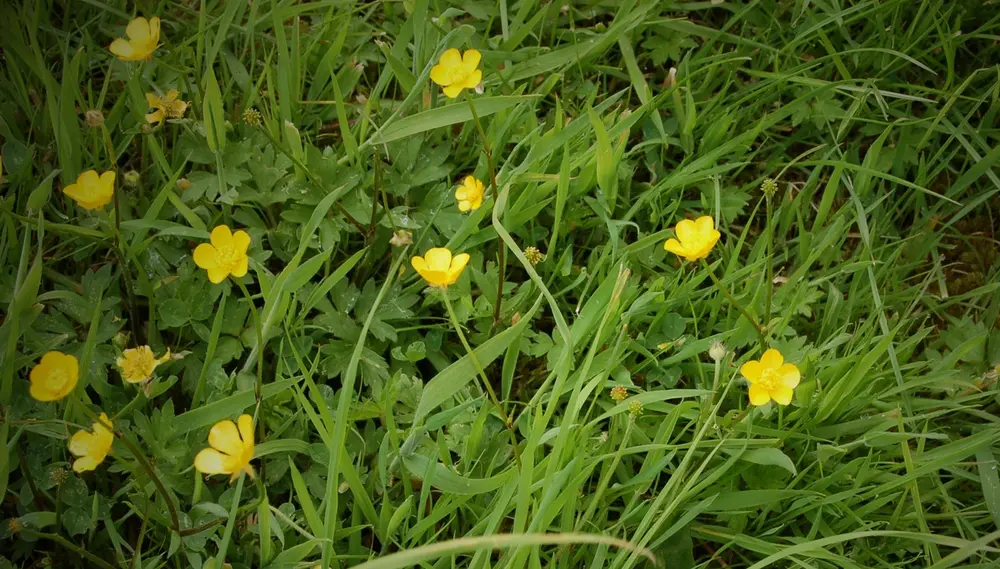
Creeping Buttercup
Scientific Name: Ranunculus repens
Creeping lawn weed that flowers fairly early on in the year, around April time and has vigorous rooting runners; common in damp lawns and clay soils.
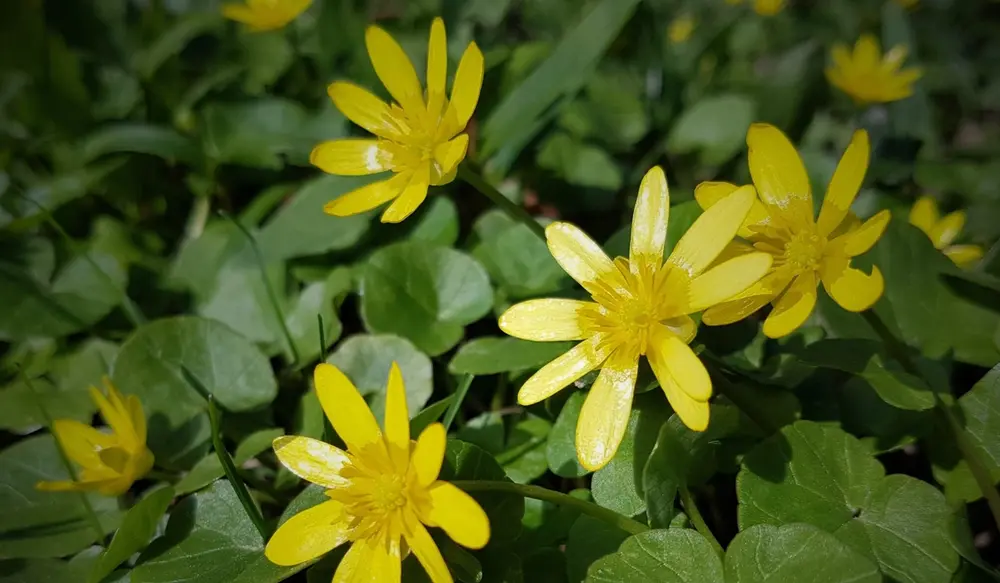
Lesser Celandine
Scientific Name: Ranunculus ficaria
A low growing perennial with heart shaped leaves. Flowers between February and May with a single yellow flower which only opens in bright sunshine.
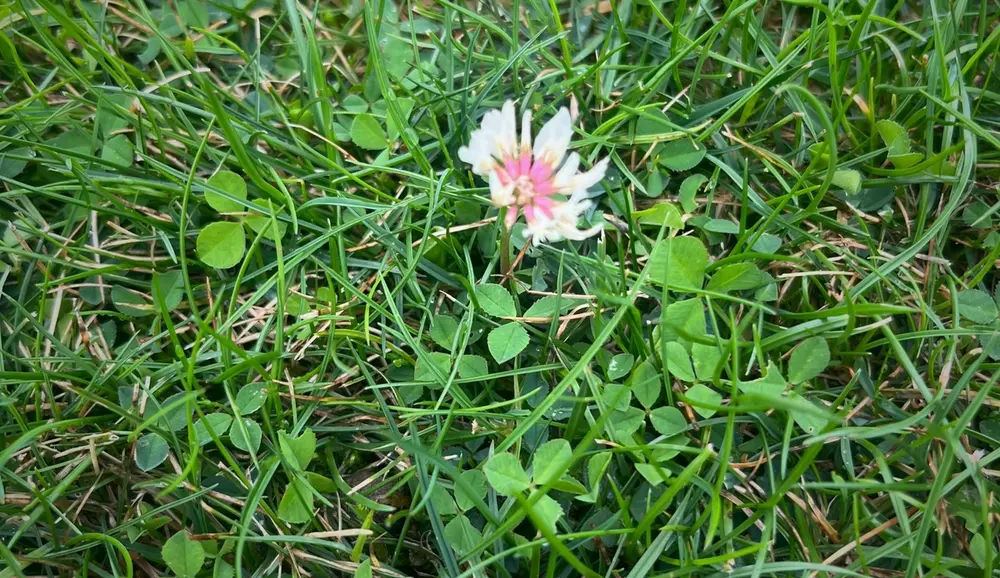
White Clover
Scientific Name: Trifolium repens
The bane of many gardeners' lawns, this weed has rooting stems which creep along the soil surface. Flowers are white and appear between May and October.
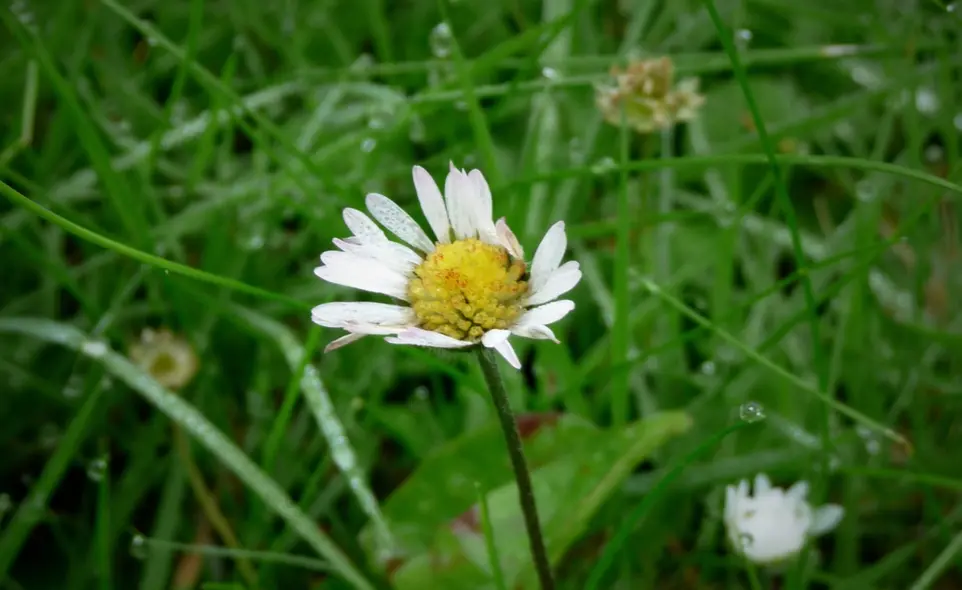
Daisy
Scientific Name: Bellis perennis
One of the most common, and popular, lawn weeds, the daisy is a tufted perennial with tightly packed flowers. The flowers appear all through the year, peaking towards the late spring, and have a yellow central disk with white petals.
Ready to Win the Battle Against Weeds?
Book a free lawn analysis today and let our experts create a tailored treatment plan to reclaim your lawn.
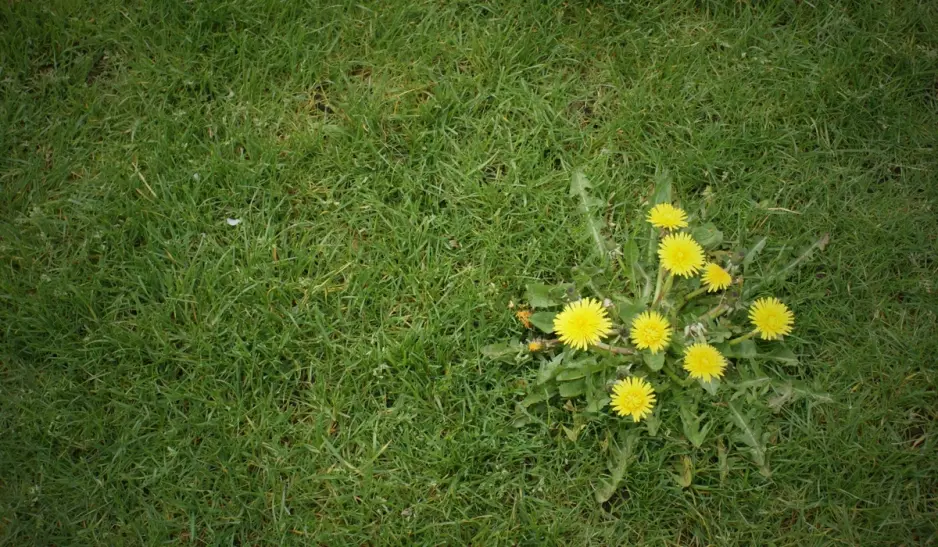
Dandelion
Scientific Name: Taraxacum officinale
Easily recognised dandelion lawn weed with a single, solitary yellow flower, which sits on a fairly weak hollow stalk, and flowers from March to October.
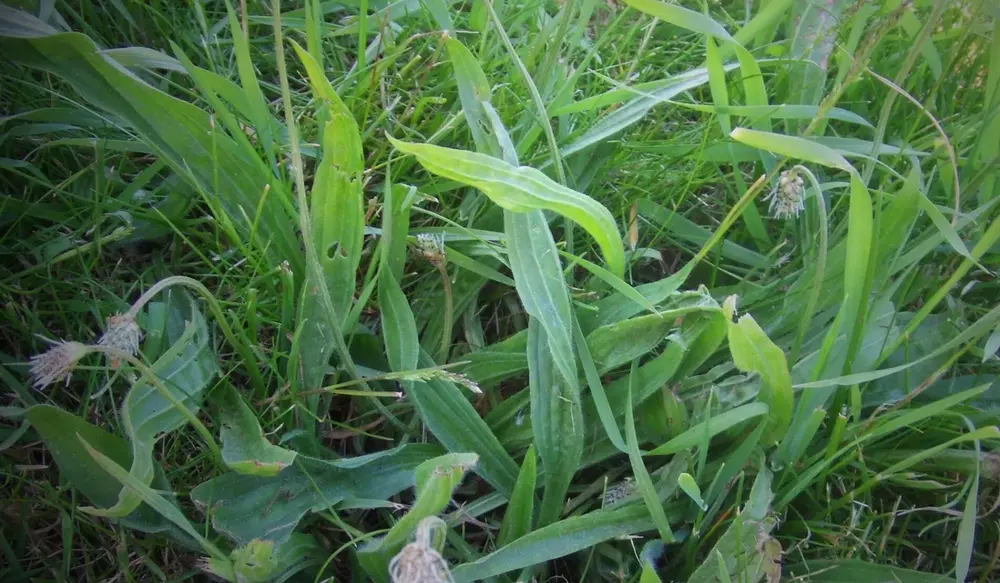
Plantain
Scientific Name: Plantago lanceolata/major
There are various species of plantain, which are common on bare ground but equally happy on grassland. This broad leaf green weed grows close to the ground and is tolerant to trampling and mowing.
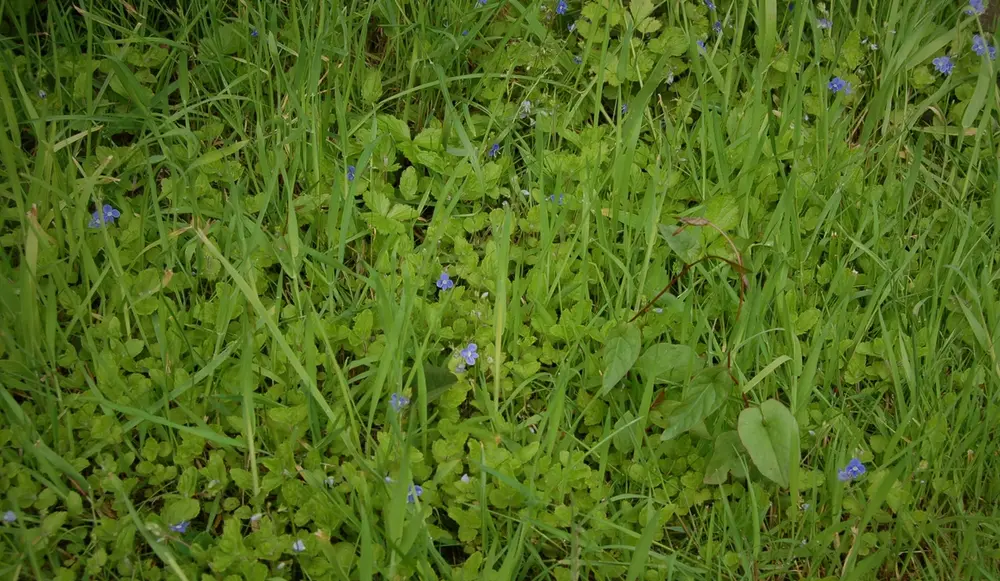
Speedwell
Scientific Name: Veronica spp.
A low-growing, spreading lawn weed with small, rounded leaves and delicate blue or violet flowers, often with a white centre. It appears in spring and early summer and can quickly spread through lawns, especially in thinner turf.
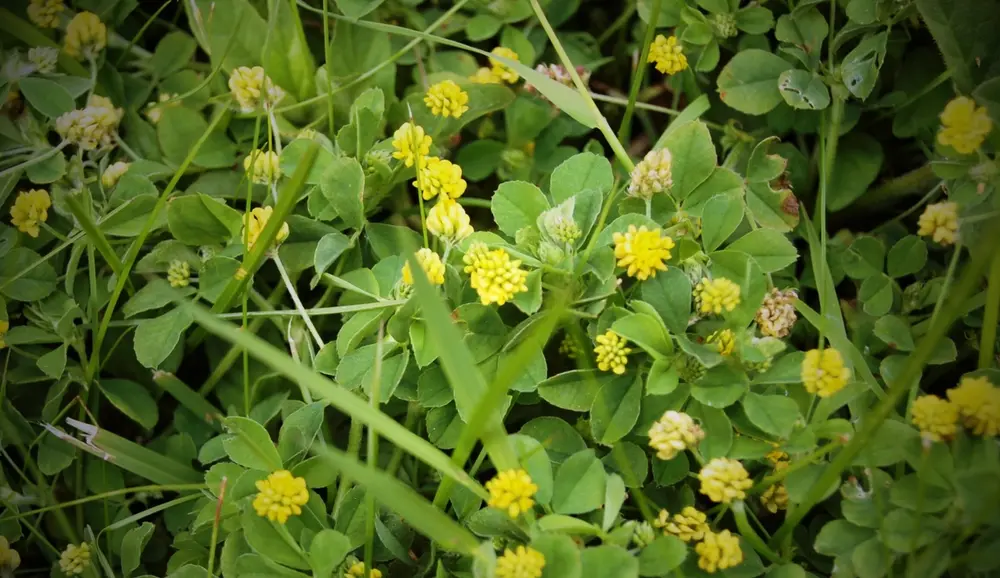
Lesser Trefoil
Scientific Name: Trifolium dubium
Low growing but can reach lengths of up to 50cm. Observed as 3 small, oval leaves and a tiny yellow flower in lawn, which appears between May and August.
Frequently Asked Questions
*Figures shown are approximate and based on available data. For illustrative purposes only.
Further Reading
Discover more advice on weed control, lawn care, and the treatments that help keep your grass strong.

Show Moss Who's Boss
Moss thrives in damp, shaded lawns and weakens grass by competing for nutrients. Causes include poor drainage, mowing too short, and compaction. GreenThumb treatments restore healthier, moss-free lawns
Read More
Why Lawn Care Helps
Professional lawn care delivers better results than DIY. Expert treatments and regular maintenance create healthier grass, fewer weeds, and more free time for you to enjoy your lawn.
Read More
Guide to Lawn Weeds
Lawn weeds compete with grass for sunlight, water, and nutrients, causing thin, patchy lawns. Common weeds like dandelions, buttercups, and clover spread quickly. Maintain a healthy lawn with proper mowing, fertilising, aeration, and overseeding to prevent weeds and keep grass strong.
Read More