
Understanding Common Lawn Weeds: A Complete Guide
A healthy, vibrant lawn is every homeowner's goal, but weeds can quickly take away from its beauty and overall health. Lawn weeds compete with grass for vital resources like sunlight, water, and nutrients, making it harder for your grass to thrive. These invasive plants, from dandelions to white clover, not only disrupt the aesthetics of your lawn but can also weaken it, causing bare patches and encouraging erosion. In this guide, we’ll explore how to identify common lawn weeds, prevent them from taking over, and maintain a lush, weed-free lawn

Author
Steven Taylor

Reviewed By
Leanne Lewis
Updated: 12/8/2025
Published: 5/27/2025

Guide to Lawn Weeds
Lawn weeds are wildflowers that grow in the wrong place, they compete with grass for Sunlight, Water, Air and Nutrients. With most of these plants being larger than the grass plant they impact the health and appearance of your lawn. They can overcrowd the grass too, leading to patches of weak, thin, or discoloured grass. Weeds can spread rapidly, overtaking large areas of your lawn and create an unkempt appearance. Some weeds also have deep roots that disrupt the soil structure, which can make your lawn susceptible to erosion and water runoff.
Identifying Common Lawn Weeds
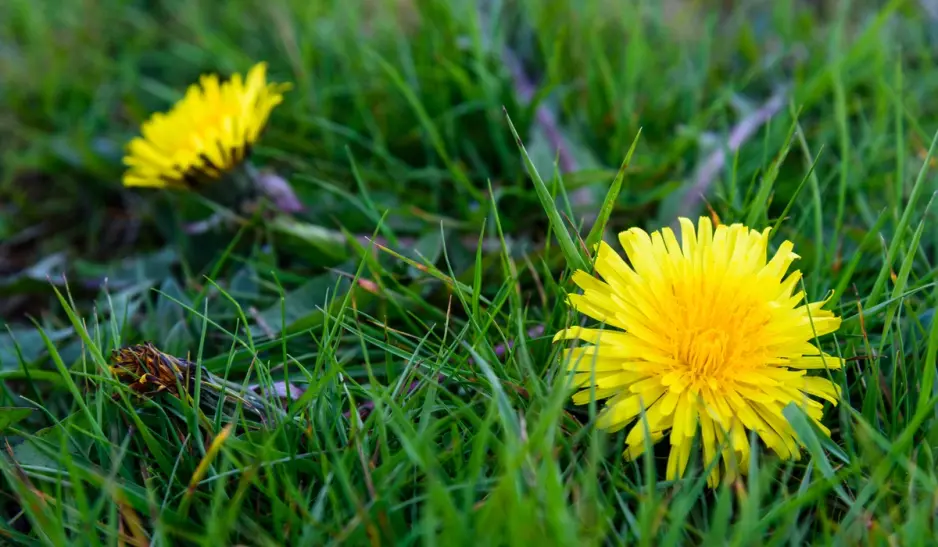
Dandelion (Taraxacum officinale):
Recognisable by their bright yellow flowers and fluffy seed heads, dandelions have deep taproots that make them resilient and hard to remove. If you take to digging them out ensure you remove the entire root system to prevent regrowth.

Buttercup (Ranunculus repens):
Obviously, the distinctive part of the buttercup is the flower; due to its colour most people recognise it. They can be generally found in most lawns however they do like lime rich soils that drain well and they’re often seen in fields where they are allowed to grow wild.
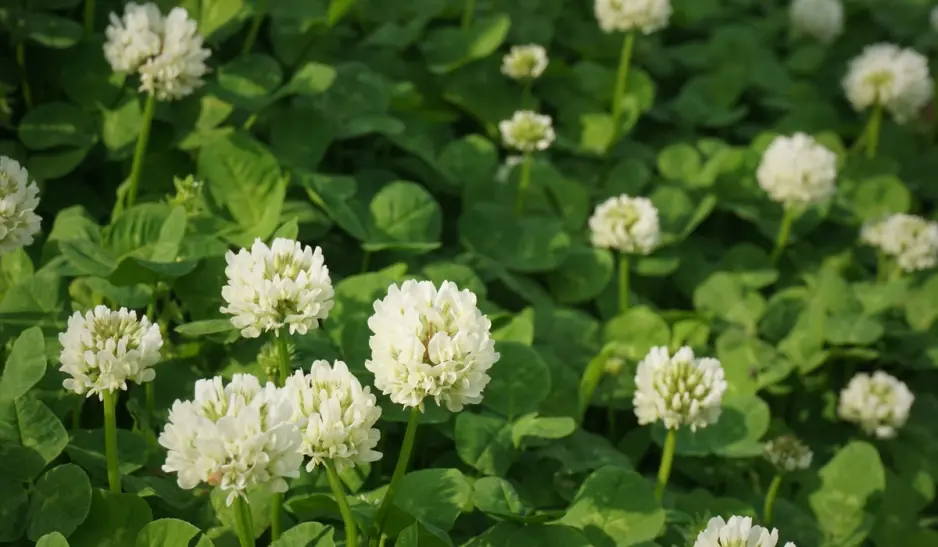
White Clover (Trifolium repens): This low-growing weed has small white flowers. While some appreciate its nitrogen-fixing properties, others find it invasive. Maintaining a healthy, well-fertilised lawn can minimise white clover growth.
Preventing Lawn Weeds
Preventing lawn weeds involves following best practice for lawn maintenance, choosing the right grass, and implementing seasonal tips:
Regular Lawn Maintenance: Mow your lawn at the appropriate height, We recommend not less than 25mm (1”), this should be increased to at least 50mm (2”) during dry spells to shade the soil and prevent weed seeds from germinating. Remove debris and thatch buildup with Aeration and Scarification to allow air and nutrients to reach the grass roots, promoting a healthy lawn.
Choosing the Right Grass: Different grass species have varying levels of weed resistance. Select a grass variety suited to your local climate and soil conditions. Consult our lawn care professionals or research to determine the best grass type for your area.
Seasonal Tips: Water your lawn frequently as soon as we start to see dry weather this allows a deep root growth, making your grass more resilient against weeds. Overseed your lawn in the autumn to fill bare patches and reduce opportunities for weeds to take hold.
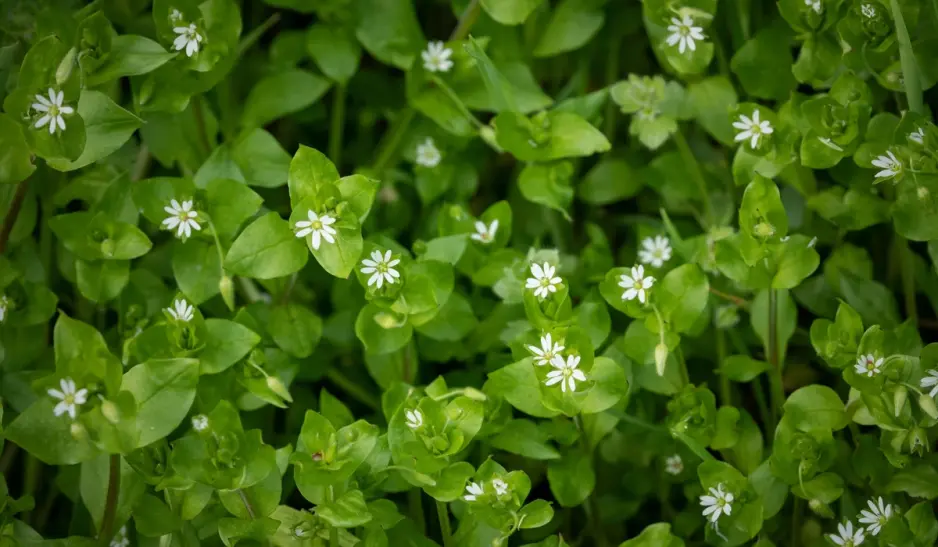
Common lawn weeds, including dandelions and clover, competing for nutrients and space, impacting your lawn's health and appearance
Frequently Asked Questions
Can lawn weeds cause allergies?
Yes, lawn weeds can cause allergies in some individuals. Weeds like ragweed or nettle release pollen that can trigger allergic reactions such as sneezing, itching, and watery eyes. Identifying and managing lawn weeds can help minimise exposure to allergens.
What should I do if I have a lawn weed problem?
If your lawn has excessive weeds, seek professional assistance. Hiring a lawn care service like GreenThumb can provide expert advice and effective solutions. We can identify specific weeds affecting your lawn and recommend appropriate treatments to deal with them.
Take Control of Lawn Weeds with Expert Treatment
Weeds don’t just spoil your lawn’s appearance—they compete for nutrients and weaken grass over time. Our lawn care programmes include professional weed control tailored to your lawn's needs, helping you maintain a lush, healthy, weed-free lawn all year round.

Lawn Treatment Programmes
Regular treatments ensure your lawn gets the nutrients it needs, helps prevent common lawn issues, and promotes strong, resilient grass. By following a consistent treatment plan, you can enjoy a green lawn that thrives.
Read More
NutraGreen Autumn/Winter
Our NutraGreen Autumn/Winter Long treatment boosts your lawn with a micronutrient feed, improving winter resilience. Applied October to December, it also dries out moss,, while aiding recovery from aeration and scarification.
Read more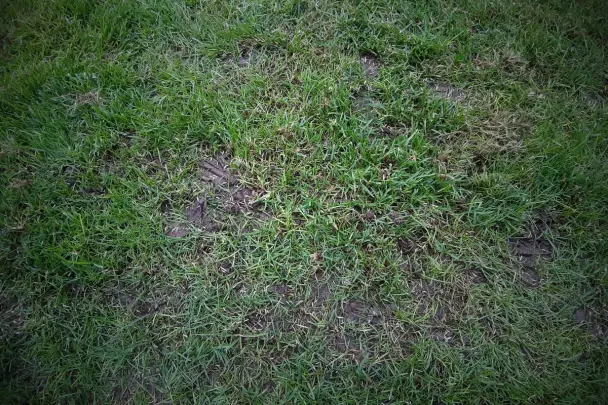
Lawn Problems
If you're noticing brown patches, weeds, or thinning grass, it’s important to identify the root cause. Lawn problems can stem from various factors, and understanding what’s affecting your grass is the first step toward a solution.
Read More