
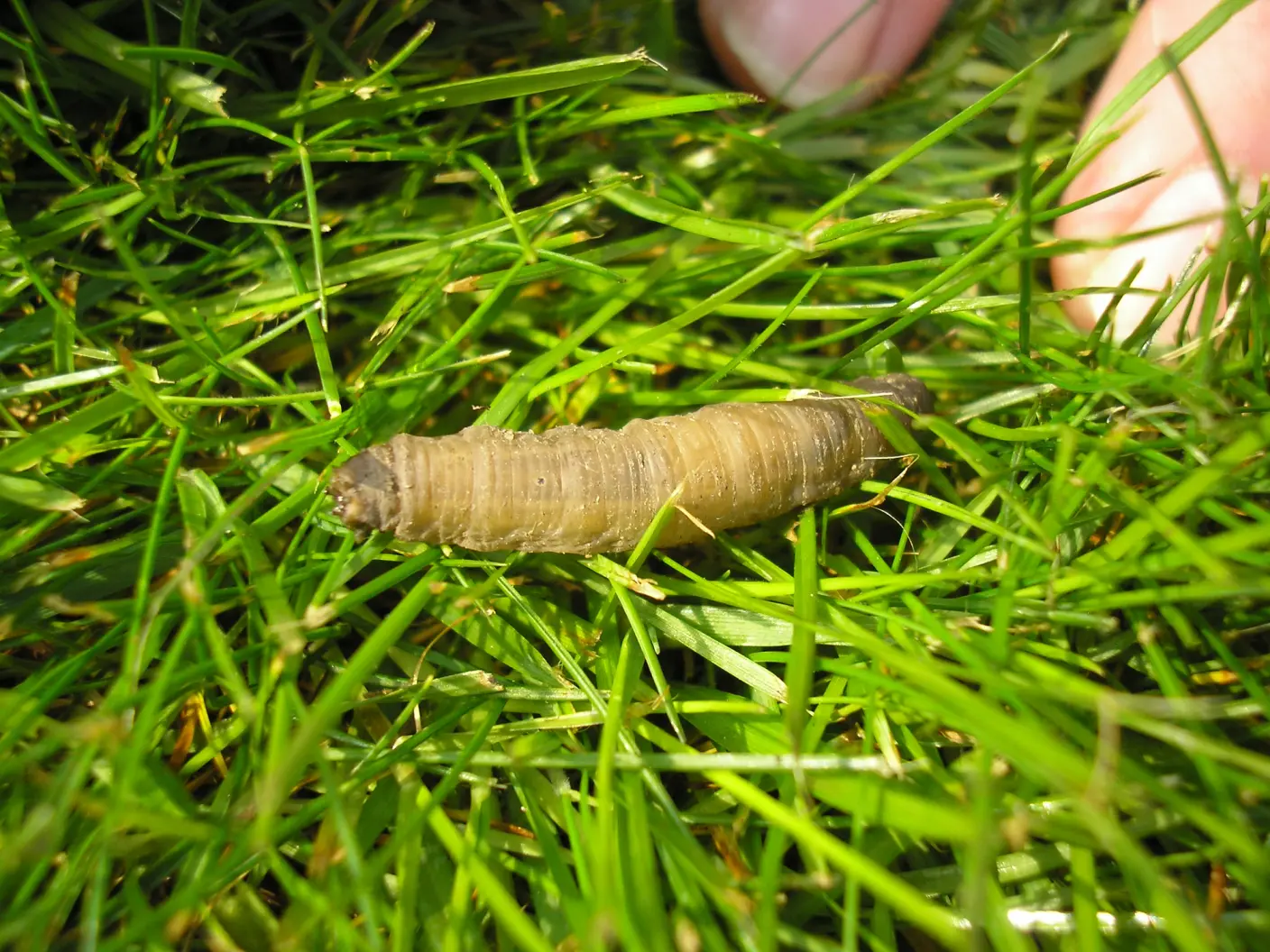
How do you know if pests are damaging your lawn?
Lawn pests are more common than you might think , and the damage they cause often goes unnoticed until it's widespread. Whether it's bare patches, bird activity, or uneven ground, recognising the early signs and understanding the cause is the first step toward effective control.
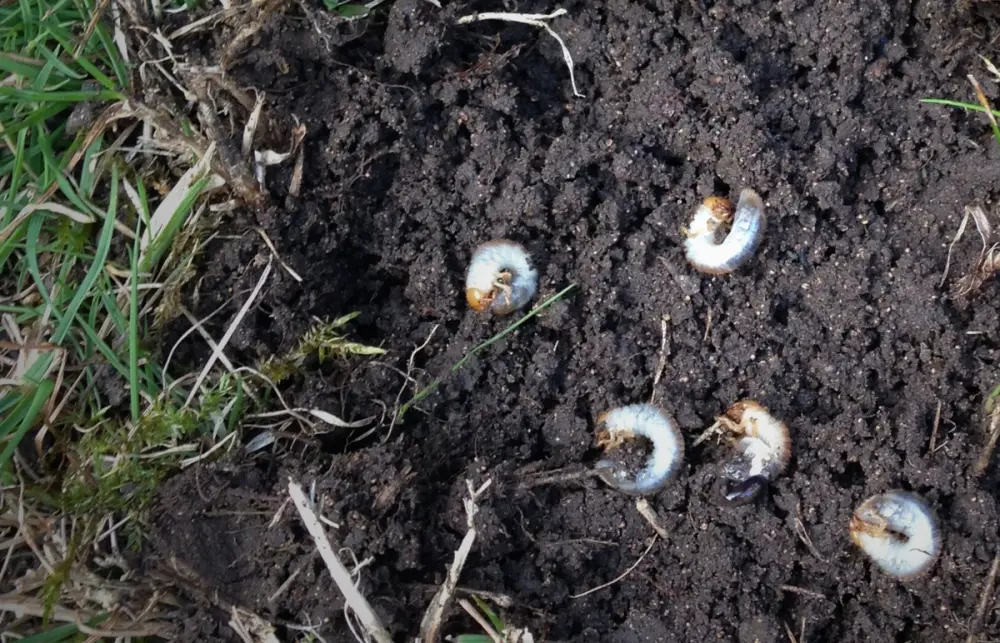
What are lawn pests — and why are they a problem?
Lawn pests can cause serious damage if left untreated. Chafer grubs and leatherjackets feed on grass roots and stems, causing brown patches, wilting, and dead spots. Early treatment is key to preventing long-term damage and keeping your lawn healthy.
What damage can pests — and other animals — cause?
It's not just the pests themselves causing trouble. Birds, foxes, and even badgers can tear up a lawn looking for grubs, often leaving it worse than the pests ever would.
Early detection and targeted treatment are key. Identifying the specific pest allows for the right control method, making treatments more effective. Regular lawn care — including nutrient-rich feeding, aeration, and watering — helps build a lawn that can better resist pest damage.
How can GreenThumb help?
At GreenThumb, we offer expert pest management solutions that treat active infestations and help prevent future outbreaks — keeping your lawn healthy, resilient, and pest-free all year round.
*Figures shown are approximate and based on available data. For illustrative purposes only.
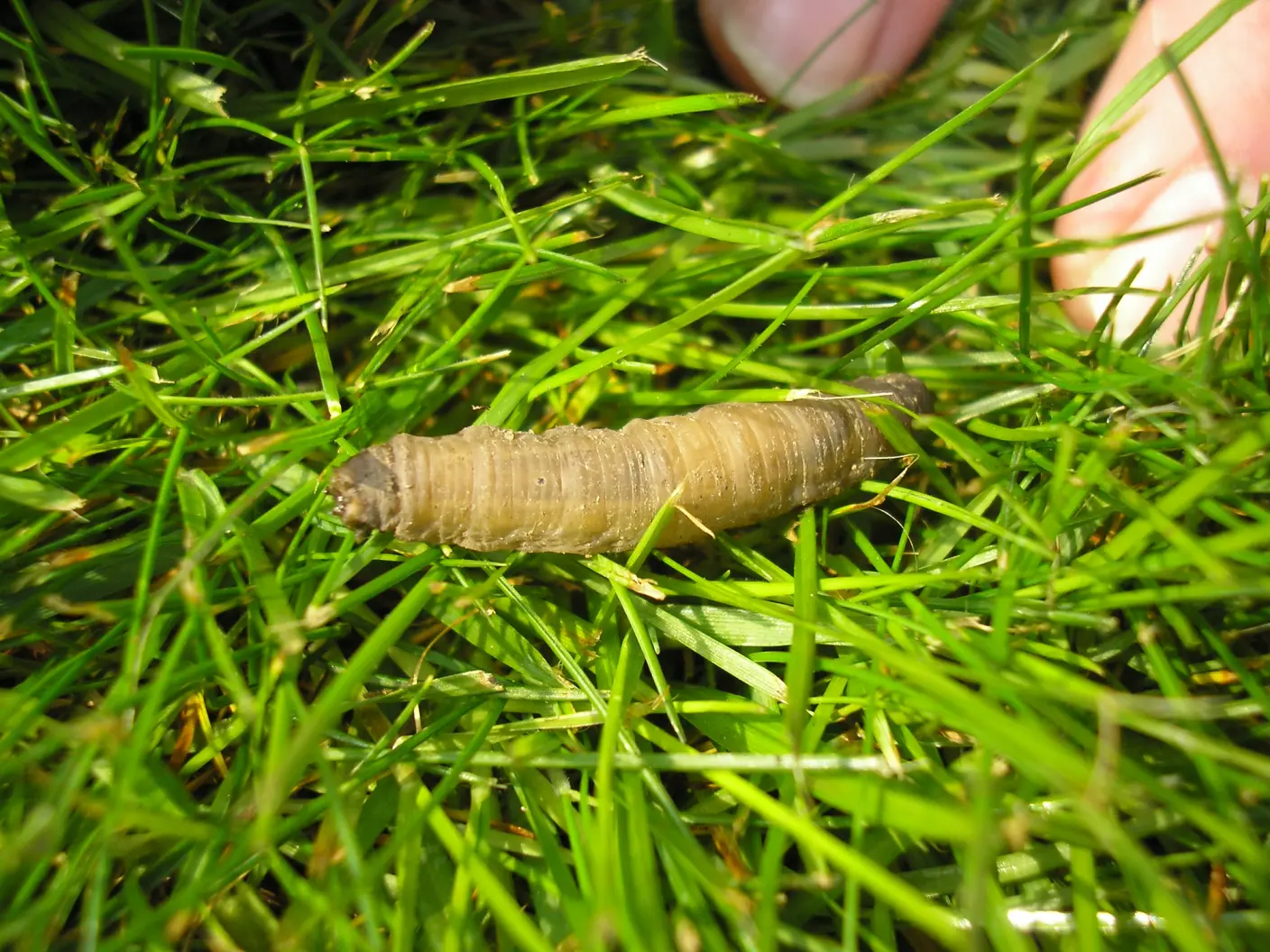
Leatherjackets
Leatherjackets are the larval stage of what is commonly known as daddy longlegs (crane fly).
Their one-year life cycle begins when the female lays her eggs in the lawn around September time; they then hatch 2-3 weeks later.
Over the winter period, when the weather is still wet and warm enough, the larvae starts to feed on the top part of the grass plant’s root system.
At this time, the damage is not normally seen, as the leatherjackets are still quite small. It's important to note that secondary damage to the lawn can also be caused by birds and animals rooting for the grubs.
By February and March, the leatherjacket grubs will have grown in size and the damage will be much more extensive.
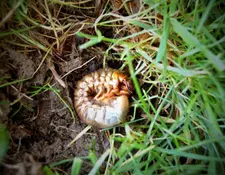
Chafer Grub
Chafer Grubs are the larvae of the chafer beetle (May bug) and have a life cycle of 1-3 years, dependent on the species.
The females lay their eggs in the lawn. When first hatched, the grub is very small and at its most vulnerable. They are curved like the letter C, with white fleshy bodies, light brown heads, three pairs of legs and will grow to 10-15mm in size.
The grubs feed on the roots of the grass plant resulting in the turf becoming detached from its soil moorings allowing the lawn to be pulled back, like lifting a rug. Birds, badgers and a number of other animals enjoy eating these grubs so damage to the lawn can be extensive.
Stop Lawn Pests for Good
Chafer Grubs and Leatherjackets don’t go away on their own. Let GreenThumb help protect your lawn now, and prevent future damage too
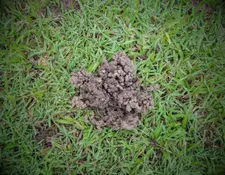
Worms
Worms are typically beneficial for your lawn. As they move through the soil, worms naturally aerate it, allowing air, water, and nutrients to reach the roots more easily. This helps create a more fertile environment for your grass to grow. However, the downside to worms is the appearance of their casts—small mounds of soil left on the surface. While these casts can be unsightly and may encourage weed growth, they are a natural byproduct of worm activity and are generally harmless to your lawn.
At the moment, we have no specific control for worms.
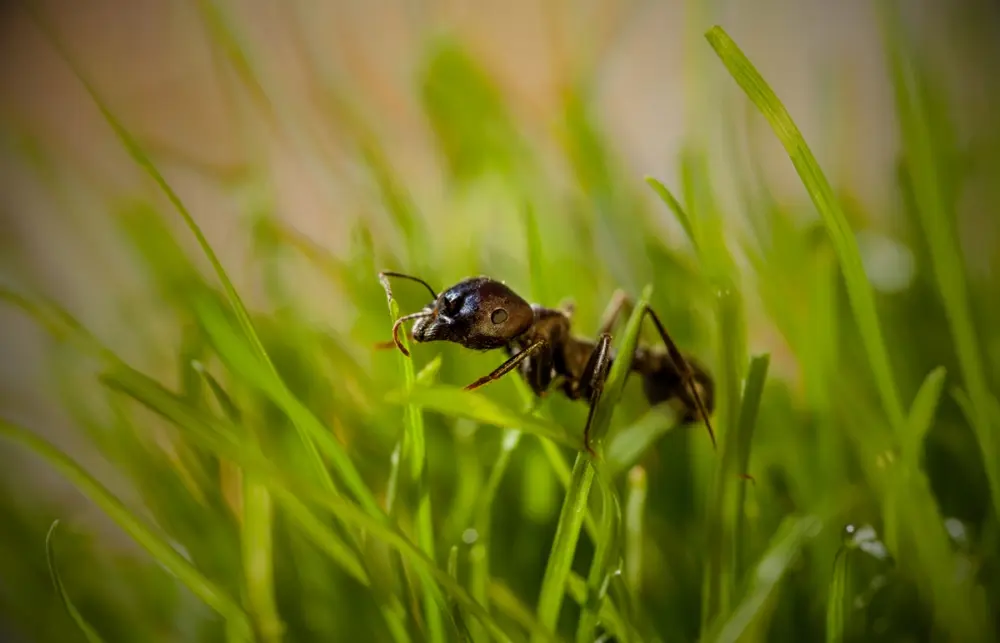
Ants
Likewise, we have no specific control for ants. However, we would advise using a spade, slicing into the lawn where the activity is and apply ant powder into the nest, pull out the spade and restore the crevice.
Breathe New Life Into Your Lawn – and Your Outdoor Living
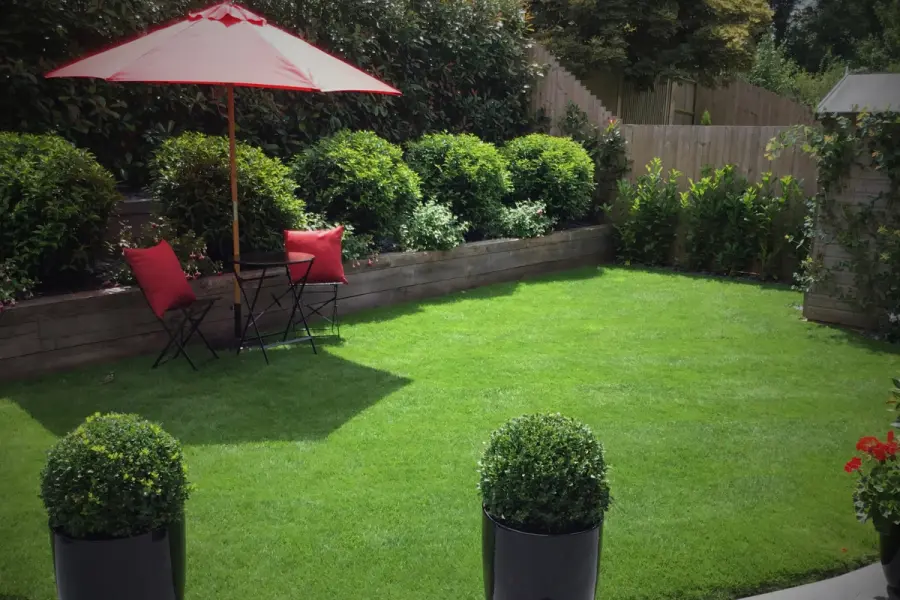
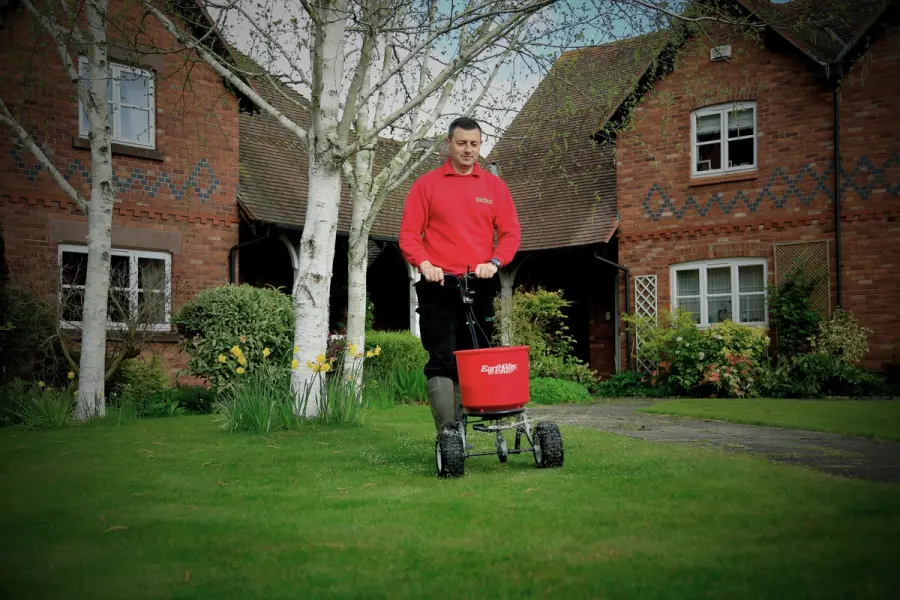
From family time to garden pride, see how a refreshed lawn transforms the way you enjoy your outdoor space.




Discover More from GreenThumb
Explore helpful articles, expert tips, and useful links to learn more about lawn care and how we can help your garden thrive.
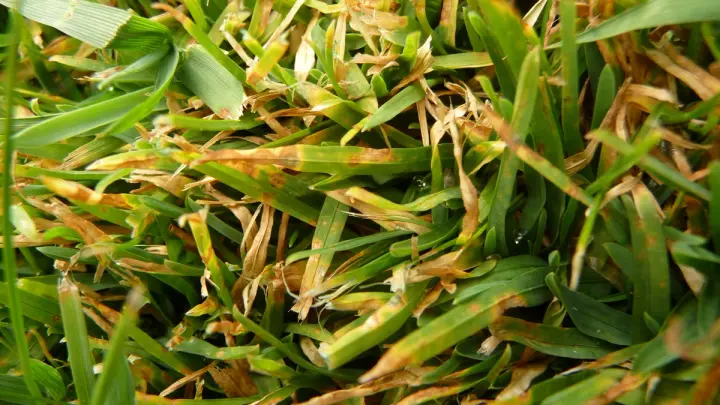
Why Lawn Turns Yellow
Yellow grass can stem from nutrient loss, poor watering, pests, disease, or seasonal stress. Mowing, fertilising, watering, aeration, and reseeding help restore and maintain a lush green lawn.
Read more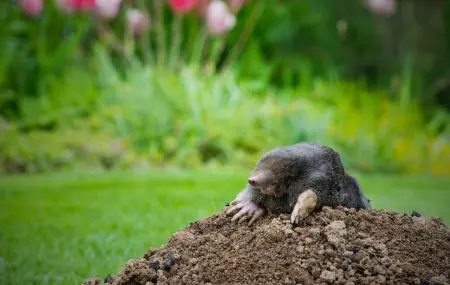
How to Manage Garden Moles
Learn how to identify, manage and prevent garden moles. Discover effective methods, tips and long-term solutions to protect and maintain your lawn from mole damage and keep it healthy year-round.
Read More
Lawn Disease Management
Focusing on combating common turf diseases like red thread and fusarium patch, using fungicides and cultural practices to reduce infections. These treatments help restore lawn health and promote long-term recovery.
Read More