
Uninvited Guests: Dealing with Ants and Worms on Your Lawn
Worm casts are small mounds of soil left behind by earthworms as they tunnel through the ground, helping to fertilize and aerate the soil. While these creatures are a sign of healthy soil, the casts they leave can create an uneven lawn surface and may smother grass, resulting in unsightly patches. In this guide, we explore what worm casts are, why they appear, and how to effectively manage them without harming your lawn. Whether you prefer manual removal, brushing them in, or adjusting your lawn's conditions, we provide practical tips to keep your garden looking its best while maintaining a healthy ecosystem.

Author
Steven Taylor

Reviewed By
Leanne Lewis
Updated: 12/8/2025
Published: 7/24/2025

What exactly are worm casts, and how can you eliminate them?
While worms are a sign of healthy soil and active soil biology, the casts they deposit on lawns can detract from its appearance.
Worm casts are small mounds of soil that are brought to the surface of the lawn by earthworms. Earthworms ingest soil as they tunnel through it, and they excrete casts of soil on the surface of the lawn as they digest organic matter from the soil. These casts are typically made up of a mix of soil, organic matter, and worm secretions.
Worm casts can vary in size and appearance and are most commonly found on moist lawns, particularly after periods of rain or in areas with high earthworm activity.
Excessive worm casting can create uneven surfaces on the lawn and may even smother the grass, leading to patches of dead or damaged turf.
If you're dealing with worm casts on your lawn, there are a few steps you can take to manage them:

Remove them: Manually remove worm casts to prevent smothering and uneven surfaces.
Brush them in: Use a stiff brush to distribute the casts evenly across the lawn.
Reduce worm activity: Improve drainage, reduce thatch, and avoid overwatering to limit worm activity.
Aerate the lawn: Aerating improves drainage and reduces waterlogging, discouraging worms from surfacing.
Ants on your lawn
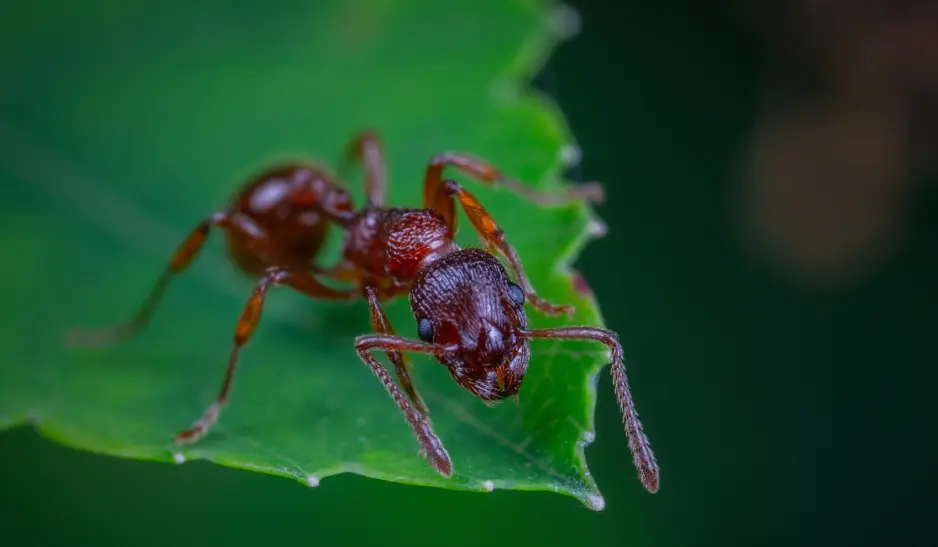
Are ants in the lawn bad? Ants are not generally considered dangerous to the lawn, they can be a sign of a healthy ecosystem, which we are all for. They can actually help de-compact and aerate the soil. They are quite fascinating creatures with how they work. They live in nests that contain hundreds or even thousands of ants, with one ‘queen’ ant and many ‘worker’ ants. The workers are responsible for foraging for food, as well as caring for the queen.
However, ants can be a nuisance, and an ant infestation can quickly become a problem both in the garden and inside your home. While the common garden ant doesn’t bite, red and flying ants can sting, which can be unpleasant. Additionally, ants produce formic acid, which can negatively affect both lawns and humans. During summer, when we spend the most time outdoors, ants are particularly unwelcome. They often enter homes in search of food, and the last thing we want is ants crawling on us while we’re trying to relax, eat, or play in the garden.
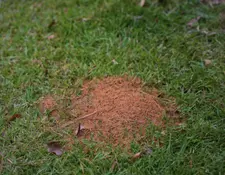
When large colonies of ants set up home in your lawn, they create ant hills, which for us lawn lovers can be very unsightly. The mounds of earth ruin the look of a lawn, make the surface uneven and unwanted side effects from mowing, e.g., scalping the lawn. Also, ants can potentially create areas of bare soil for weeds to populate.
How to get rid of ant hills without killing grass?
There is no approved insecticide in the professional market for the control of ants. There are, however, several products of powder etc in the garden market, which can prove useful.
The following is a process which has been used successfully to manage ants in your lawn…
Find the nest, usually found as a hill or just soil thrown up on to the surface.
Take a spade and slice into the nest, try, and go down to approx. 20-25cms (8-10 inches).
Move the spade backwards and forwards to make a crevice.
Using a good brand of ant powder from your local garden centre, pour the powder down into the middle of the nest.
Remove the spade, ensuring you shake off as much powder as you can into the nest.
Push the crevice back together.
Over the next 7-10 days you should notice less activity and the grass turning back to normal.
It’s important you do not apply any ant powder to the surface of the lawn. This will have a negative impact on the grass.
How to deal with an ant hill
Firstly, you need to get rid of the ants by following the process outlined above.
Then, when there is no ant activity, it is good to remove the turf from the hill and break up the nest runs until you have levelled out the areas. Then return to the turf and place it back on the area you have been working on.
It’s worth noting that we do not recommend using boiling water on the ant’s nest. You will damage the lawn and leave it more vulnerable to weeds. Instead, as ants prefer dry conditions, you should regularly water your lawn. This will help your lawn survive throughout the dry weather but also encourage the ants to move on.
We recommend watering your lawn early in the morning or late in the evening to avoid evaporation.
Lawn Pests Causing Trouble? We’re Here to Help
While we don’t treat ants or worm casts directly, our expert lawn specialists can offer trusted advice on managing common lawn issues—like those covered in this blog. If your lawn is suffering, it may also benefit from improved drainage, stronger grass growth, and seasonal care.
Get in touch to find out how our lawn care programmes can support your lawn’s overall health and resilience.
Lawn Treatment Programmes
Regular treatments ensure your lawn gets the nutrients it needs, helps prevent common lawn issues, and promotes strong, resilient grass. By following a consistent treatment plan, you can enjoy a green lawn that thrives.
Read More
Why should I treat my lawn?
Lawn treatments are essential for keeping your lawn healthy and vibrant, tackling issues like pests, disease, and nutrient deficiencies. GreenThumb’s tailored treatments keep your lawn lush, green, and strong all year round.
Read More
Pest Management
Green Thumb’s Lawn Pest Control service effectively protects your lawn from pests like grubs and ants. Expert treatments keep your turf healthy and pest-free, tailored to your lawn’s specific needs.
Read More