
How to Manage and Prevent Garden Moles
Dealing with garden moles can be a daunting task for many homeowners. These subterranean animals can transform a pristine lawn into a landscape of unsightly mounds and intricate tunnels. If you're contending with moles in your garden, it's crucial to know how to manage and prevent them effectively.

Author
Steven Taylor

Reviewed By
Leanne Lewis
Updated: 1/22/2026
Published: 4/18/2024
Understanding Garden Moles
Garden moles are intriguing yet troublesome creatures for gardeners. By understanding their biology and behaviour, as well as the common species found in the UK, you can manage mole issues more effectively.
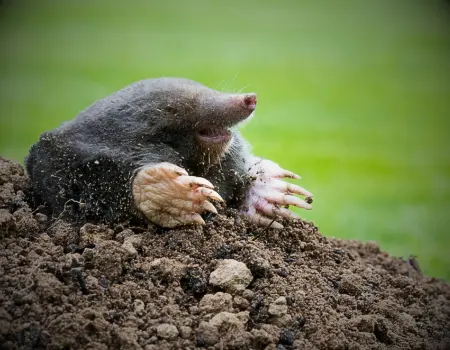
Moles are small mammals belonging to the Talpidae family. They have cylindrical bodies, velvety fur, and robust front limbs with large claws designed for digging, making them adept burrowers.
In the UK, the most common mole species are the European mole (Talpa europaea) and Townsend's mole (Talpa townsendi). The European mole, widely spread, is recognised by its black velvety fur and pointed snout. Townsend's moles are more localised and feature greyish-brown velvety fur.
Moles have a solitary nature and prefer living in loose, well-drained soil like that found in lawns, meadows, or gardens. Their diet mainly consists of earthworms, insects, and larvae found underground. Moles create elaborate tunnel systems that serve as their homes and hunting grounds.
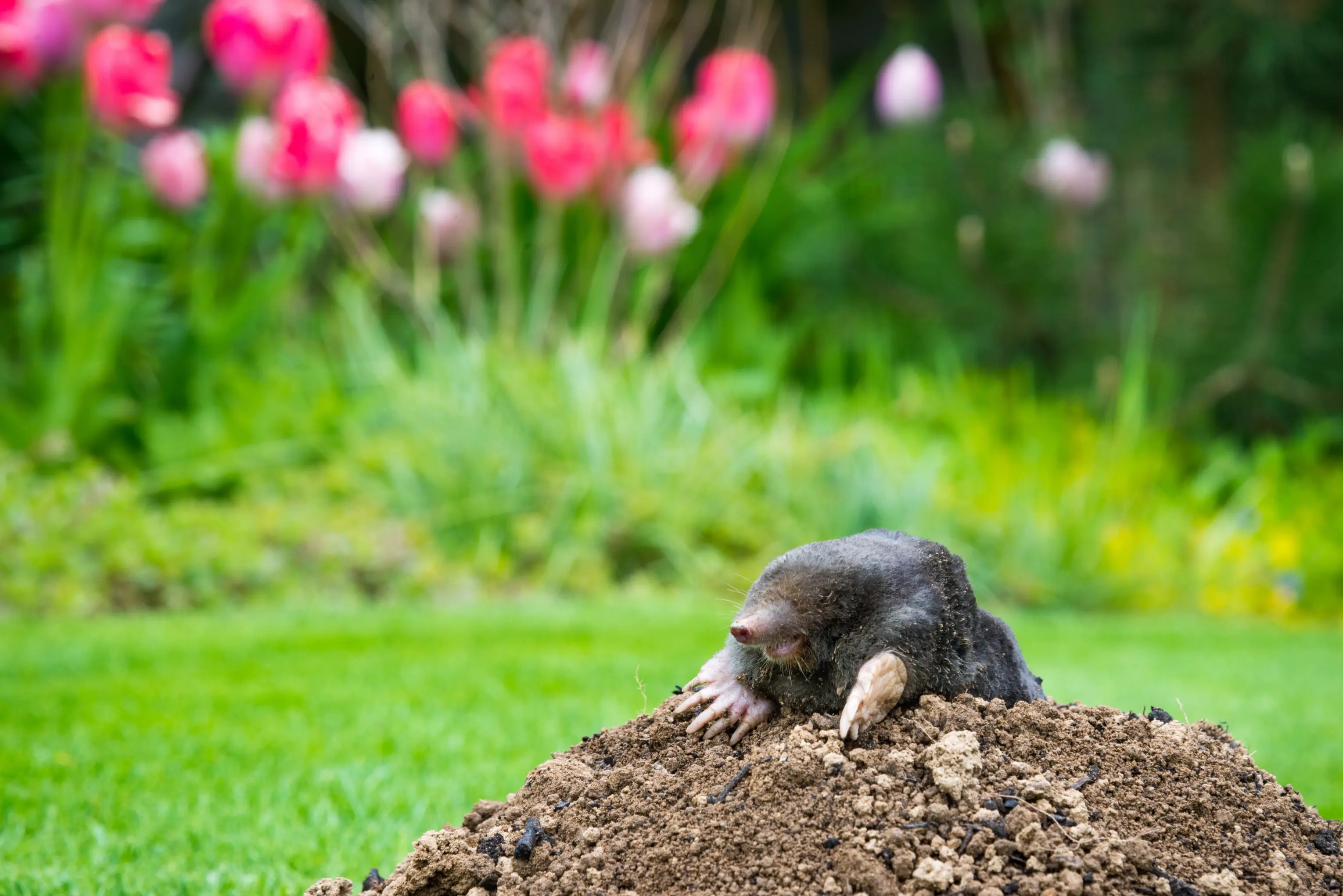
Caught in the act: A mole emerges from its burrow
Identifying Mole Activity
The most obvious sign of a mole infestation is the presence of molehills in your garden. Molehills are small mounds of soil pushed up from underground tunnels, typically conical in shape and varying in size. However, not all garden disturbances are caused by moles; tree roots or other burrowing animals like rabbits can create similar disruptions.

To differentiate molehills from other disturbances, look for distinct characteristics. Molehills are usually symmetrical with a smooth, dome-shaped appearance. The soil in molehills is fine and crumbly, unlike the rough and clumpy soil in disturbances caused by other animals. Additionally, molehills often have a small entrance hole nearby, used by moles to access their tunnels.
Moles are commonly found in areas with moist soil, such as lawns, gardens, and flowerbeds. They prefer loose, well-drained soil rich in organic matter, making digging and tunnelling easier. If your garden has these characteristics, it's more likely to attract moles
Effective Methods to Prevent Moles
Garden moles can be a persistent problem and often have homeowners asking how to stop moles in gardens, as they can cause extensive damage to lawns. Fortunately, several effective methods can deter moles and protect your green spaces.
Consider natural deterrents like castor oil or use natural deterrents, which offer an environmentally friendly option to repel moles. Popular natural deterrents include planting daffodils, garlic, or castor beans, which emit strong odours that moles find unpleasant, encouraging them to relocate. The effectiveness of natural deterrents can vary depending on the severity of the mole problem and the specific conditions of your garden.
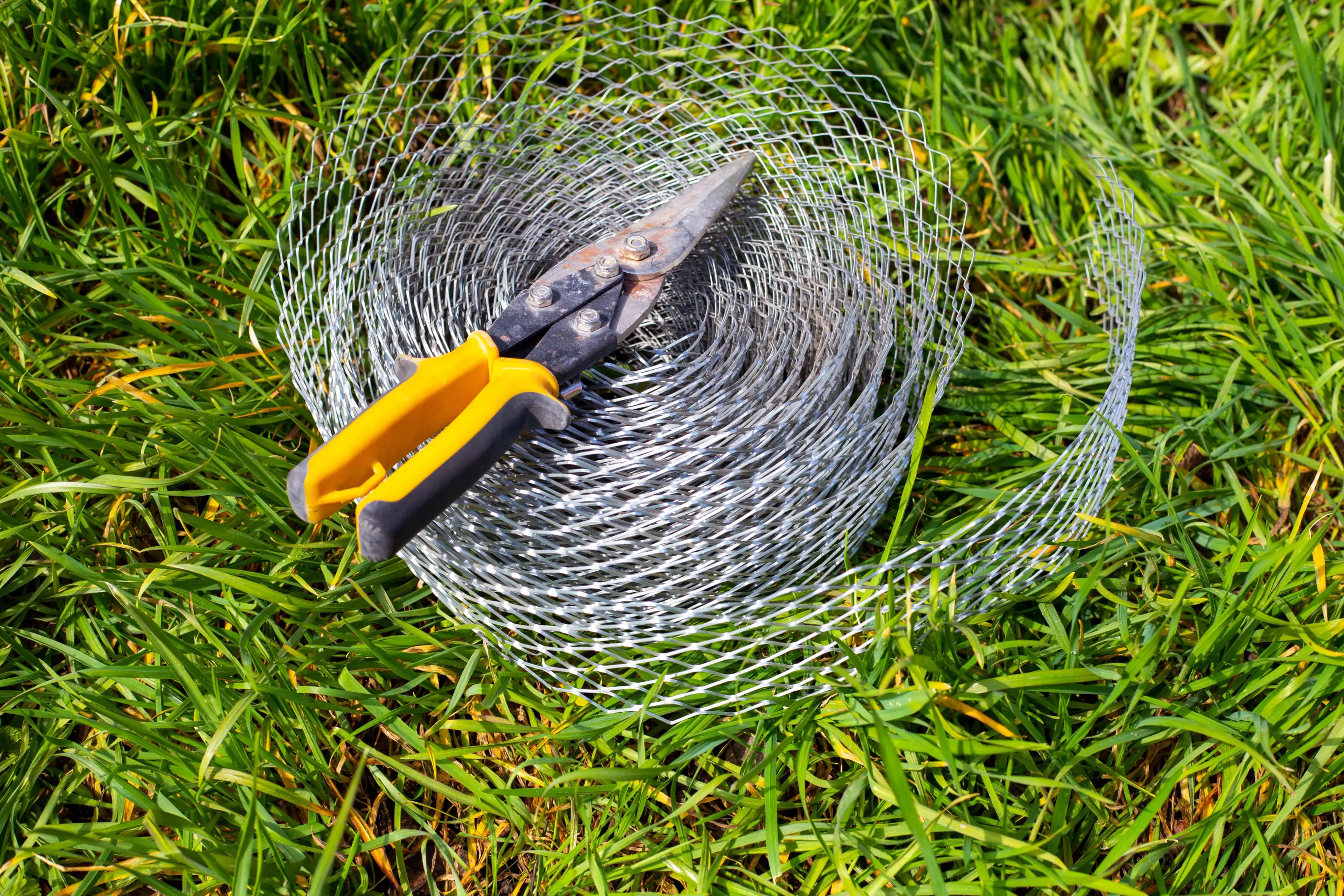
Another option is using barriers and traps. Barriers such as wire mesh or underground fences can prevent moles from entering specific garden areas.
When choosing a deterrent method, it is essential to weigh the pros and cons. Natural deterrents are often safer for the environment and may have additional benefits, such as repelling other pests. However, they may require more time and patience to see results. Barriers, on the other hand, can provide more immediate relief but may involve additional costs and maintenance.
Preventing Future Mole Infestations
Keeping your garden mole-free requires regular maintenance and implementing long-term solutions. By following these tips, you can protect your garden from mole infestations and enjoy a beautiful, mole-free landscape.
Maintaining a Mole-Free Garden:

Regularly mow and water your lawn to keep it well-maintained. Moles are less likely to inhabit manicured lawns.
Remove any piles of debris or excess vegetation, as these can attract moles seeking shelter.
Keep your garden clear of excessive thatch, as it provides an ideal environment for moles to burrow.
Regular Garden Maintenance Tips:
Inspect your garden regularly for signs of mole activity, such as raised tunnels or mounds of soil.
If you spot any mole activity, take immediate action to prevent further damage.
Consider using humane and environmentally friendly methods to repel moles, such as vibrating mole repellents or natural deterrents like castor oil, which creates an unpleasant scent and taste in the soil, discouraging moles from tunnelling in treated areas.
Long-Term Solutions for Mole Prevention:
Install a mole barrier around your garden. This can be done by burying a mesh or wire fence at least 2 feet deep to prevent moles from burrowing.
Plant mole-resistant plants, such as daffodils, marigolds, or alliums, as a natural deterrent.
Consult with a professional pest control service for more advanced mole prevention techniques, such as trap setting or using sonic devices.
Frequently Asked Questions About Garden Moles
Garden moles are fascinating creatures that are often misunderstood.
Common Misconceptions About Moles
One common misconception is that moles are rodents. However, moles are actually mammals belonging to the Talpidae family. Another misconception is that moles eat plants and flowers. In reality, moles primarily feed on insects, earthworms, and other small invertebrates found in the soil.
Benefits and Drawbacks of Having Moles
While moles can be considered pests by some gardeners, they also offer certain benefits. Moles help aerate the soil by creating tunnels, improving water and nutrient penetration. Their digging activities can also reduce the population of harmful insects in your garden. However, the drawbacks include unsightly molehills and tunnels that can damage plant roots and interfere with mowing.
Moles Made a Mess? We Can Help Repair the Damage
Molehills and tunnelling can leave lawns looking uneven and stressed. GreenThumb’s expert treatments and care plans can help restore soil structure, level out the surface, and encourage healthy regrowth—bringing your lawn back to life.

Lawn Treatment Programmes
Regular treatments ensure your lawn gets the nutrients it needs, helps prevent common lawn issues, and promotes strong, resilient grass. By following a consistent treatment plan, you can enjoy a green lawn that thrives.
Read More
Lawn Problems
If you're noticing brown patches, weeds, or thinning grass, it’s important to identify the root cause. Lawn problems can stem from various factors, and understanding what’s affecting your grass is the first step toward a solution.
Read More
Lawn Refresh
Lawn Refresh is a six-step treatment designed to revive tired, patchy lawns through scarification, aeration, overseeding, and fertilisation. It’s an effective alternative to re-turfing, restoring your lawn’s health, density, and appearance.
Read More