
What Causes Lawn Compaction
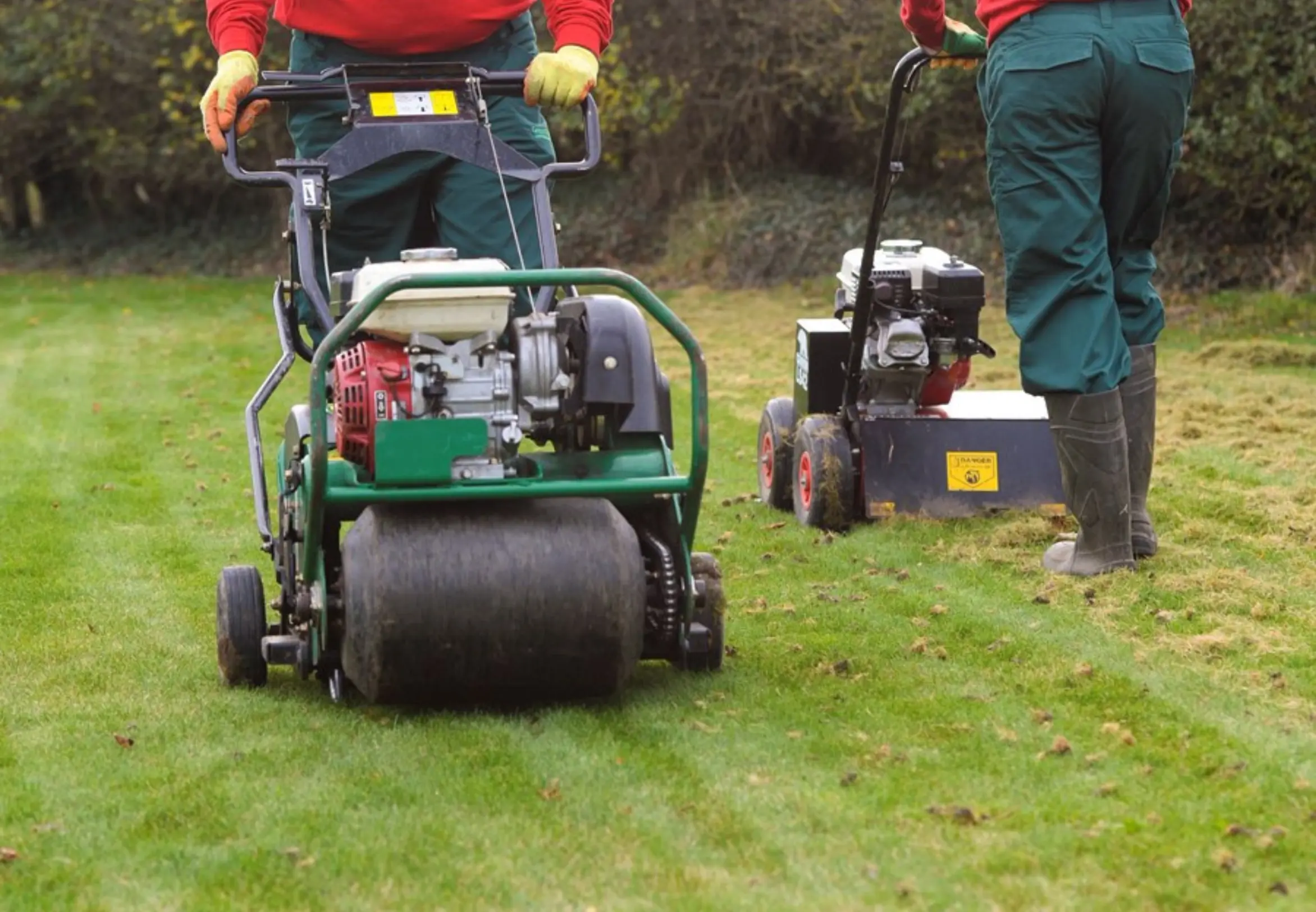
- Heavy foot traffic: When people frequently walk or play on the grass, the soil beneath gets compressed, reducing the space for air and water to reach the roots.
- Frequent mowing without proper care: While regular mowing is essential for maintaining a neat lawn, improper mowing practices can contribute to compaction. Mowing too frequently or cutting the grass too short can weaken the roots and compact the soil, making it harder for the grass to grow and thrive.
- Excessive rainfall or irrigation: While water is crucial for a healthy lawn, excessive rainfall or over-irrigation can also contribute to compaction. When the soil becomes saturated with water, it becomes more prone to compaction under the weight of foot traffic or equipment.
Signs of Lawn Compaction
Stunted Grass Growth
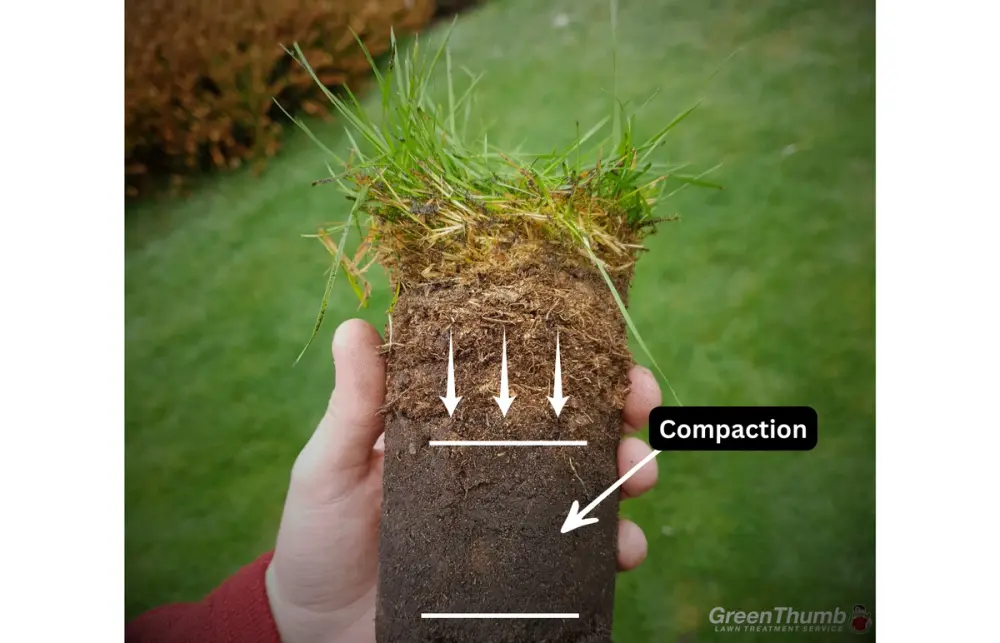
Lawn compaction can also result in stunted grass growth. When the soil is compacted, it becomes harder for grass roots to penetrate deep into the ground. This shallow root system limits the access to water and nutrients, leading to weak and stunted growth. If you notice patches of thin or sparse grass in your lawn, it could be a sign of compaction.
Not Quite Ready to Sign Up?
No problem—our friendly lawn experts are here to help. Get in touch with your local GreenThumb team to ask questions or book a consultation at a time that suits you
Thatch Build-up
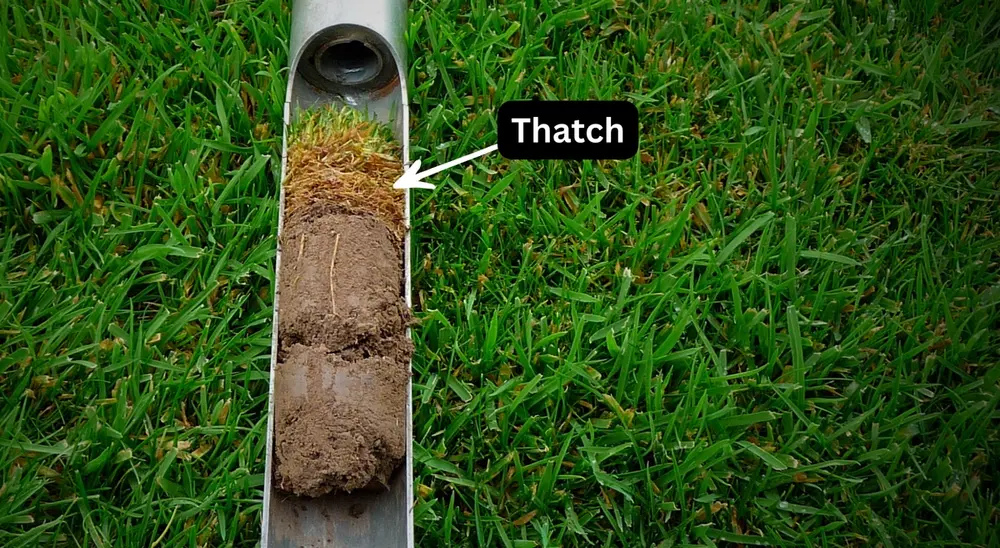
Another sign of lawn compaction is the accumulation of thatch. Thatch is a layer of dead grass, roots, and other organic matter that builds up between the soil and the grass blades. Compacted soil inhibits the breakdown of thatch, causing it to accumulate and create a dense layer.
Poor Drainage
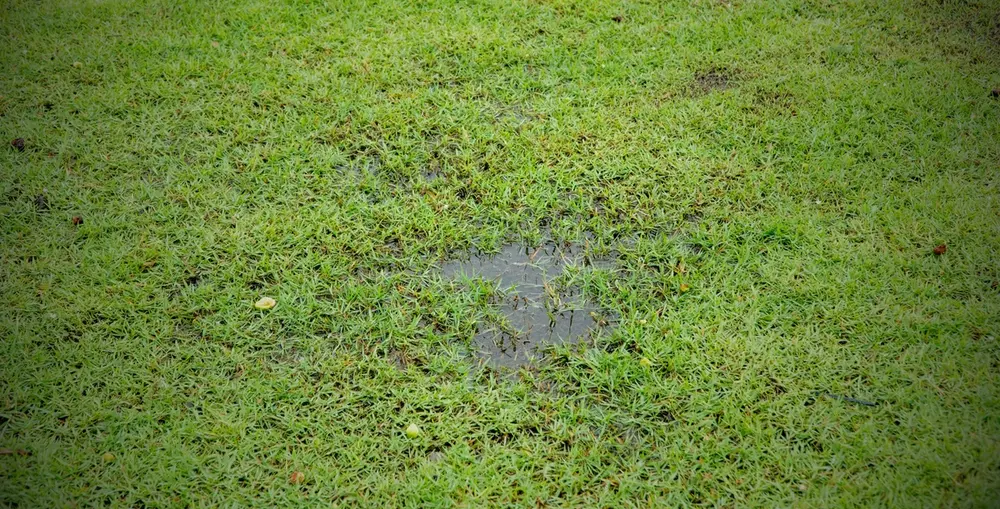
If you notice water pooling on the surface of your lawn or areas that take a long time to dry after rainfall, it could be an indication that the soil is compacted.
Worried Your Lawn Might Be Compacted?
Sign up to one of our Lawn Care Programmes today, and we'll assess your lawn on our very first treatment visit. If we find signs of compaction, we’ll recommend aeration to get your lawn breathing again.
What Lawn Aeration Looks Like
Curious about how aeration actually works? This short video shows our specialist equipment in action—creating small holes in the lawn to relieve compaction and allow air, water, and nutrients to reach the roots. It’s a simple step that makes a big difference to the health and resilience of your lawn.
*Figures shown are approximate and based on available data. For illustrative purposes only.
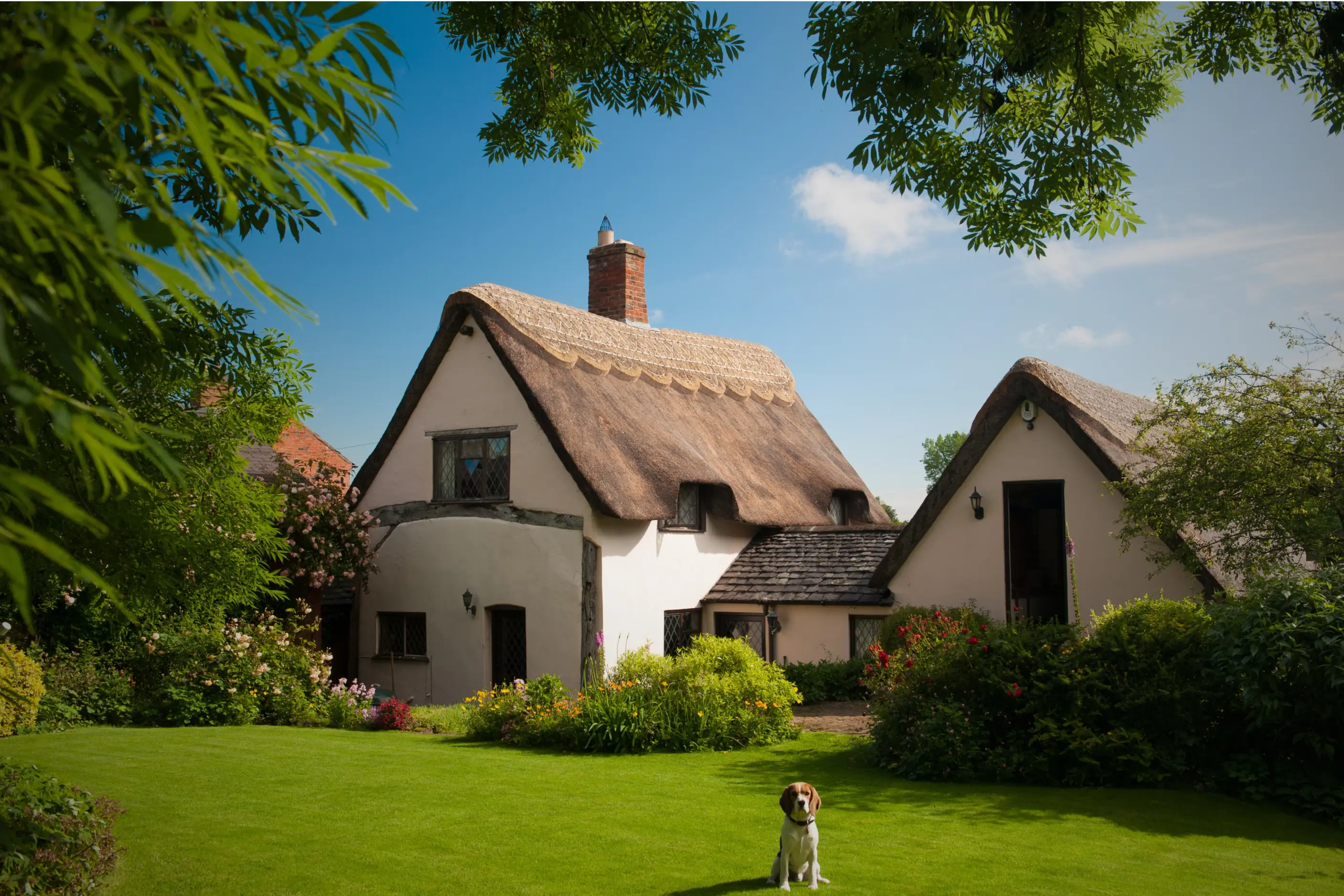
Healthy Soil, Healthier Lawns
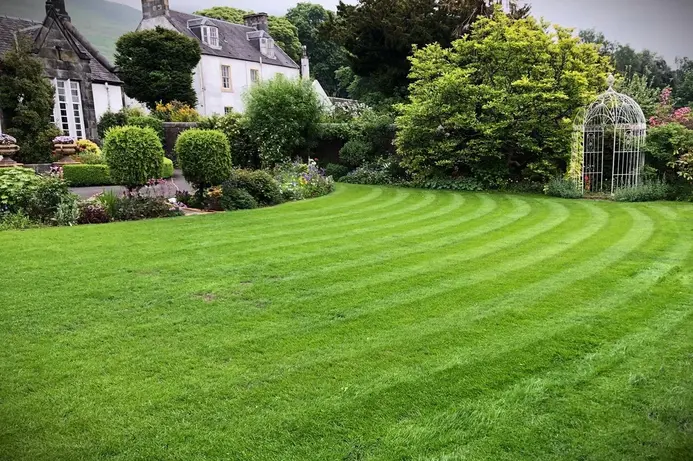
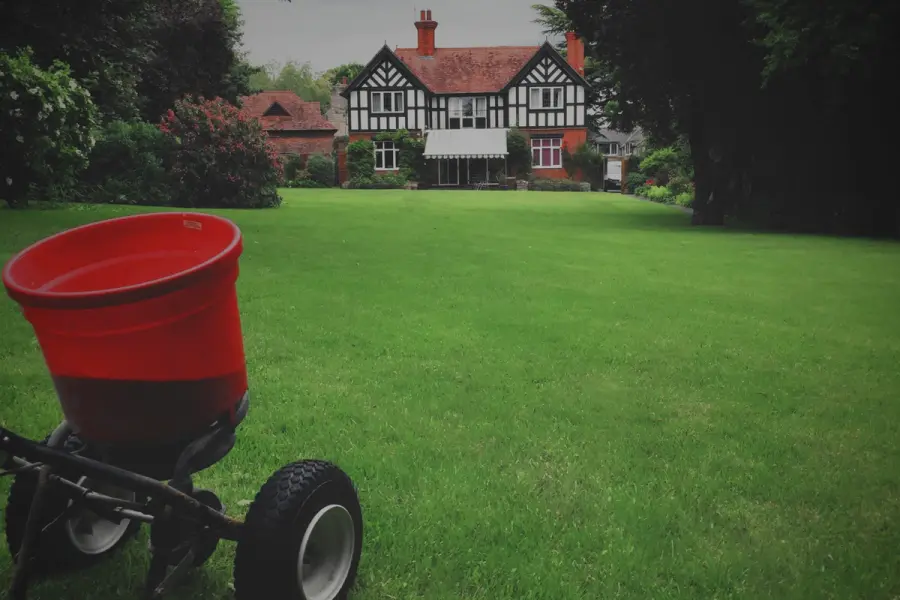
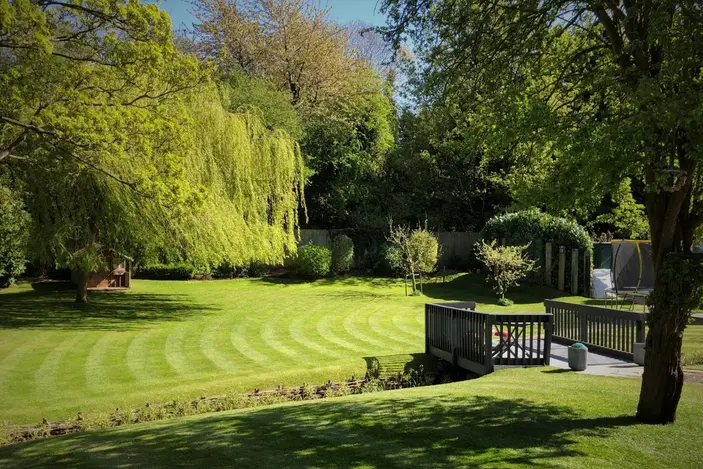
See how proper lawn care helps improve soil health and overall appearance.
Further Reading
Explore these related guides to learn more about relieving compaction and improving the overall health and resilience of your lawn.
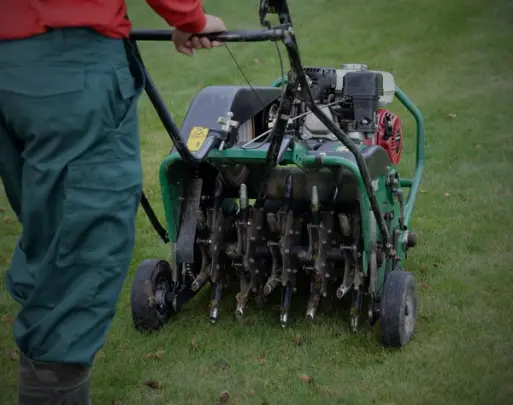
Lawn Aeration
Lawn aeration improves root health by allowing air, water, and nutrients to reach deeper into the soil. It relieves compaction, boosts drainage, and reduces thatch—helping prevent moss and disease for a stronger, healthier lawn.
Read More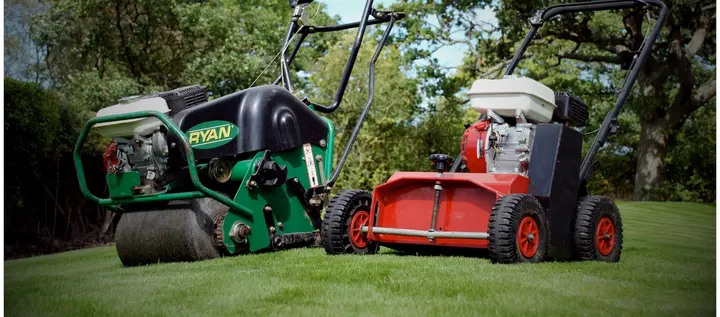
Want a thicker, healthier lawn?
Aeration and Scarification improve overall soil health by boosting airflow, nutrients, and water to grass roots. These essential treatments reduce compaction and thatch, promoting stronger, greener, and more resilient grass.
Read More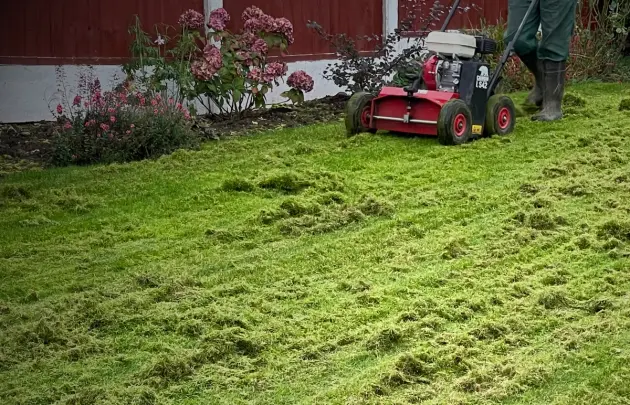
Lawn Scarification
Lawn Scarification is a mechanical process that reduces surface thatch, allowing essential elements like water, air, and fertilisers to reach the grass roots, promoting a healthier, more resilient lawn.
Read More