
Essential Watering Tips for Your Lush Lawn
A beautiful, lush lawn doesn’t happen by chance—it thrives when it’s properly cared for, and one of the most important elements is effective watering. Whether you're dealing with dry patches, wilting blades, or unpredictable weather, knowing when and how to water your lawn can make all the difference.
In this blog, we’ll guide you through the essentials of lawn watering—how to recognise when your lawn is thirsty, the best times and techniques for watering, and common mistakes to avoid. Plus, discover how GreenThumb’s Oasis treatment can help your lawn stay hydrated and healthy, even during dry spells.
Let’s dive into smarter watering that works with your lawn—not against it.

Author
Jade Ivory

Reviewed By
Steven Taylor
Updated: 12/9/2025
Published: 7/10/2024

Identifying a Thirsty Lawn:
- Change in Colour: A thirsty lawn often changes colour. It may appear yellow or brown instead of vibrant green.
- Footprint Test: If you step on the grass and the footprint remains visible rather than bouncing back, it indicates the grass lacks moisture.
- Wilting Blades: Check if the grass blades are wilting or folding inwards. This is a common sign of dehydration.
- Soil Dryness: Dig a small hole in the soil and check its moisture level. If the soil is dry several inches below the surface, your lawn will need watering.
- Thirsty Areas: Some spots in your lawn may dry out faster than others. Pay attention to areas near pavement or under trees where water may not reach as easily.
- Weather Conditions: Hot and windy weather increases the rate of evaporation, leading to quicker dehydration. Adjust your watering schedule accordingly during such conditions!
- Slow Growth: If your lawn is not growing as quickly as usual, it may be a sign of dehydration.
- Cracks in Soil: Cracks forming in the soil are a clear indicator of dryness and lack of moisture. Your lawn will need watering before it gets to this stage.
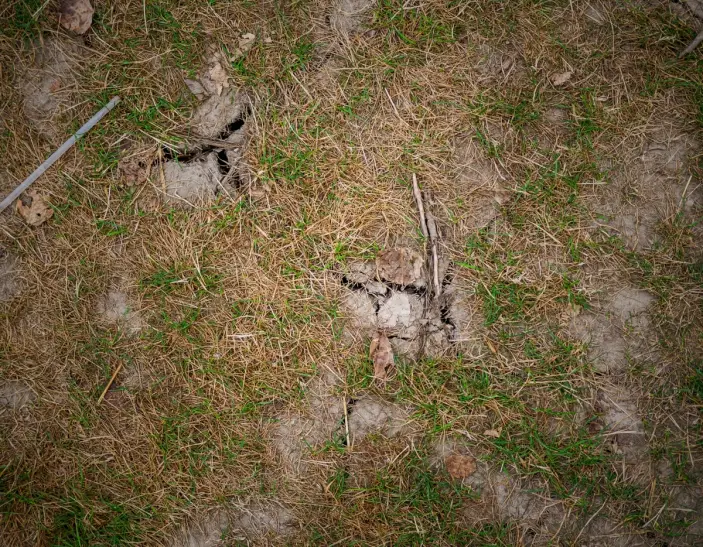
Cracked soil and dry grass are clear signs of a dehydrated lawn in need of immediate watering.
Effective Lawn Watering Techniques
Mastering effective lawn watering techniques is pivotal for a healthy lawn. Here are some watering lawn tips:

Water frequently: Before the lawn dries out start early and set a regular water management programme maybe once or twice a week to every day if absolutely necessary and you are able to do this.
Early Morning or Evening watering: Water your lawn early in the morning, ideally before 9 a.m. ,. If early morning watering is not possible then water in the early evening just after the sun goes down or when the heat of the day has gone.
Watering Evenly: Ensure that water is distributed evenly across the entire lawn to prevent overwatering in some areas and underwatering in others. This may require adjusting your sprinkler system or moving a hose around periodically.
Avoid Watering in Windy Conditions: Wind can cause water to evaporate quickly and may also result in uneven distribution. Try to water on calm days to maximize efficiency.
Use a Soaker Hose or Drip Irrigation: Soaker hoses and drip irrigation systems deliver water directly to the soil near the roots, minimising evaporation and reducing water waste.
Monitor Soil Moisture: Use a soil moisture meter or simply check the soil moisture by inserting a screwdriver into the ground. Water when the top few inches of soil are dry but be careful not to overwater, do not allow the water to puddle on the lawn.
Water Conservation Techniques: Consider installing rain barrels to collect rainwater for lawn watering or using greywater (from baths, sinks, etc.)
Adjust Watering Schedule Based on Weather: Adjust your watering schedule based on weather conditions. During periods of heavy rainfall, you may need to water less frequently, while during hot and dry spells, you may need to water more often.
Avoiding Common Lawn Watering Mistakes
Many homeowners make common mistakes when watering their lawn, which can be harmful and wasteful. Here are some tips on watering your lawn to avoid them:
- Overwatering: When it comes to watering your lawn, then make it a practice to water regularly for about 20 mins per area. If the water is running off, then do it in shorter bursts to ensure a good amount of water gets into the soil. With the high amount of rainfall over the winter the effects to the lawn can show up as yellowing or the grass looking weak, it maybe you put your sprinkler on and forget about it this could cause you some issues. It is advisable to put a timer on to ensure you do not waste any water and it goes into the soil at the right amount.
- Watering at the Wrong Time: Watering during the hottest part of the day can result in significant water loss due to evaporation, if not applied correctly it can also cause damage to the grass. Either water early morning before 9 or late evening when the heat of the sun has gone off the lawn these are best practice.

Watering your lawn early in the morning or late evening helps reduce evaporation and ensures better water absorption.
- Underwatering: On the other hand, underwatering can stress the grass and lead to brown patches and weak root systems. Monitor soil moisture levels regularly and adjust your watering schedule accordingly, particularly during hot and dry periods.
- Ignoring Soil Conditions: Different soil types have different water retention capabilities. Clay soils, for example, hold water longer than sandy soils. Adjust your watering schedule and duration based on your soil type to ensure optimal moisture levels.
- Inefficient Watering Systems: Ensure that your sprinkler system or watering method is distributing water evenly across the lawn. Inspect and maintain your irrigation system regularly to avoid leaks, clogs, or misalignments that can result in uneven watering.
- Watering Too Quickly: Watering too quickly can lead to runoff, especially on compacted soils or slopes. Water slowly to allow the soil to absorb the moisture gradually, reducing waste and ensuring effective watering.
- Ignoring Weather Conditions: Pay attention to weather forecasts and adjust your watering schedule accordingly. During periods of heavy rain, you may reduce watering sessions, while during hot and dry spells, you may need to water more frequently.
- Watering Hardscapes: Be mindful of water runoff onto driveways, paths, and other hardscaped areas. Adjust your sprinkler heads or watering methods to avoid wasting water on non-lawn surfaces.
- Ignoring Signs of Overwatering or Underwatering: Pay attention to signs of overwatering (e.g., waterlogged soil, yellowing grass, fungal growth) or underwatering (e.g., wilting grass, dry soil). Adjust your watering practices accordingly to maintain optimal lawn health.
How can GreenThumb help?
Something to keep in mind in the warmer months is our Oasis treatment. It is essential in drought conditions. It can help reduce the amount of water your lawn needs – up to 80%. It helps your soil make the absolute best use of any available moisture whilst saving you time and energy. And what is better is Oasis is now included in all our treatment programmes!
Keep Your Lawn Lush and Hydrated—The Smarter Way
Whether you're dealing with dry patches, struggling to keep up with watering, or just want a greener, healthier lawn, we can help. Our Oasis treatment is designed to improve moisture retention and reduce the need for frequent watering—saving you time and effort while protecting your lawn through dry spells.
Sign up to a Lawn Care Programme and we’ll assess your lawn on the first visit, recommending the best watering solution for lasting results.

Boosts Growth & Colour
By improving nutrient absorption, Oasis encourages thicker, stronger grass with a richer green colour - helping your lawn look vibrant and full of life.
Read More
Improves Water Efficiency
Oasis helps your lawn make the most of every drop by retaining moisture deep in the soil, keeping your grass nourished and hydrated for longer.
Read More
Lawn Refresh
GreenThumb’s Lawn Refresh service rejuvenates tired lawns by improving soil and promoting healthier grass growth. It includes aeration, overseeding, and fertilisation to help your lawn recover and thrive.
Read More