
Understanding Lawn Fungal Diseases
Lawn disease can wreak havoc on your cherished green space, turning it from a vibrant lawn into a patchy and unhealthy landscape. Early identification of fungal infections is key to understanding what is going on and whether there are effective treatment measures. This comprehensive guide will explore various aspects of lawn fungus, including understanding different types of lawn disease, causes, treatment options, and prevention strategies. By gaining a deeper understanding of lawn diseases, you can take proactive steps to maintain a lush, healthy lawn that enhances your outdoor living area.

Author
Leanne Lewis
Reviewed By
Alasdair Boyes
Updated: 1/23/2026
Published: 8/27/2025

Identifying Lawn Disease
Recognising lawn Disease is essential for maintaining a healthy garden. Visual signs often include patches of discoloured grass, manifesting as brown, yellow, or even grey areas. These might appear as circular rings or irregular shapes, known as 'fairy rings'. During damp weather, a slimy or velvety texture might be noticeable on the grass or soil. Some fungi produce spores, resulting in a white, powdery residue on grass blades, termed powdery mildew.
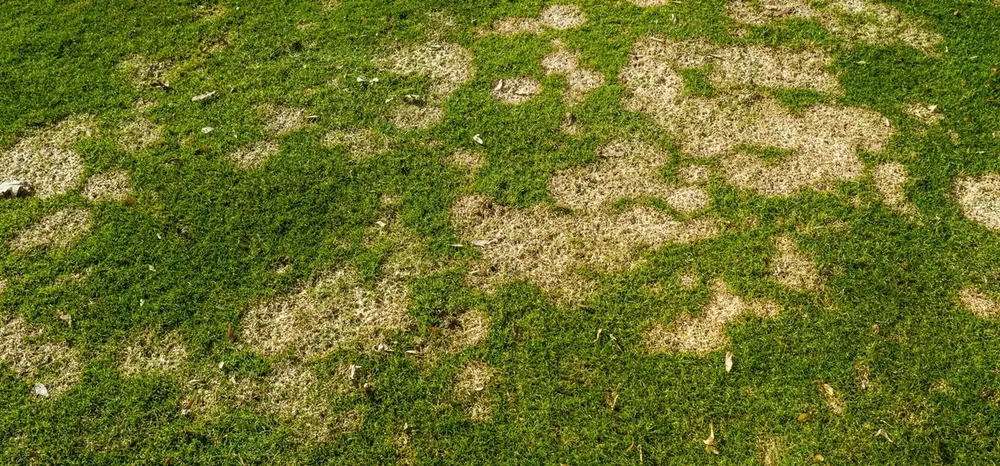
It's crucial to differentiate fungal diseases from other lawn issues, as symptoms can overlap. For example, yellowing grass might stem from nutrient deficiencies or water stress rather than a fungal infection. Similarly, irregular patches could indicate pet urine burns or pest infestations. To effectively identify lawn fungus, examine your lawn's patterns and conditions. Fungal diseases typically thrive in specific environments, exacerbated by poor drainage, excessive moisture, or compacted soil. Conducting a simple tug test on the grass can help; if it pulls away easily, it may be a sign of rot caused by fungal activity.
Common Causes of Lawn Fungal Diseases
Lawn disease can be a persistent problem for gardeners, often exacerbated by environmental factors and lawn care practices. Recognising these causes is vital for effective prevention and management.
Environmental conditions significantly contribute to fungal growth. High humidity levels create ideal conditions for various fungi. Additionally, poor air circulation due to overcrowding or inadequate maintenance can trap moisture, encouraging disease development. Shade from trees or buildings can limit sunlight, keeping grass damp and increasing the likelihood of fungal infestations.
Lawn care practices also play a significant role in the development of lawn disease. Overwatering is a common mistake, creating excessively moist conditions, while inadequate fertilisation can weaken grass, making it more vulnerable to disease. Implementing proper lawn care techniques, such as regular aeration and using well-balanced fertilisers, can help maintain a healthy lawn and reduce the risk of fungal problems.
Treating Lawn Fungal Disease

Fungi are naturally present but can cause visible lawn damage when severe
Maintain proper lawn care practices to reduce fungal growth
Regularly mow grass at the right height to promote airflow and reduce moisture
GreenThumb offers treatment options to reduce fungal damage with Expert, tailored solutions which address current issues and help prevent future outbreaks
Forking and watering with diluted washing-up liquid can help break down fungal growth in soil
Tips for Preventing Lawn Fungal Disease Before It Starts
Maintaining a healthy lawn is crucial for preventing lawn disease, which can quickly spread and ruin your garden's aesthetic appeal. One of the best tips for preventing lawn fungus before it starts is ensuring proper mowing. Regularly cutting your grass to the recommended height can promote better air circulation and sunlight penetration, reducing the damp conditions fungi thrive in. Additionally, avoid cutting more than one-third of the grass blade in a single session, as this can stress the grass and create a breeding ground for pathogens.
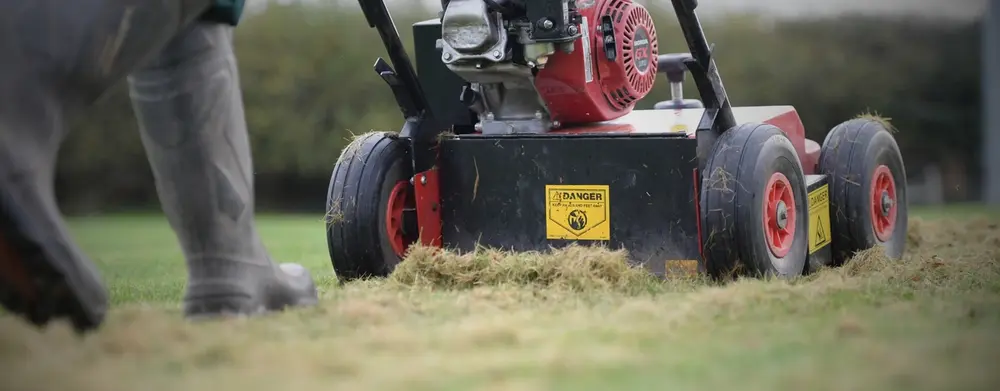
Another key prevention aspect is managing thatch levels. Thatch, a layer of organic material between the soil and grass, can trap moisture and lead to fungal growth. Regular aeration can help break up this layer, allowing air, water, and nutrients to penetrate the soil effectively. Annual scarification will reduce the thatch levels and allow the lawn to breath. Incorporating top dressing into your lawn care routine can also improve soil health and resilience against diseases.
Seasonal care is vital in minimising disease risks. During wetter months, monitor soil moisture levels and avoid overwatering, which can create a damp environment conducive to fungus. In autumn, consider applying a foliar treatment or fungicide as a preventive measure, especially if your lawn has a history of disease issues. Ensuring your lawn receives adequate sunlight exposure will help keep it dry and less susceptible to fungal infections.
By following these best practices and seasonal tips for preventing lawn disease before it starts, you can significantly reduce the risk of lawn fungus, keeping your garden lush and vibrant throughout the year.
Don’t Let Fungal Disease Take Over Your Lawn
Fungal infections can quickly damage your lawn’s health and appearance—but with early intervention and expert care, they’re manageable. Our tailored treatments target the root causes, boost your lawn’s resilience, and help prevent future outbreaks.

Why Lawn Care Helps
Professional lawn care delivers better results than DIY. Expert treatments and regular maintenance create healthier grass, fewer weeds, and more free time for you to enjoy your lawn.
Read More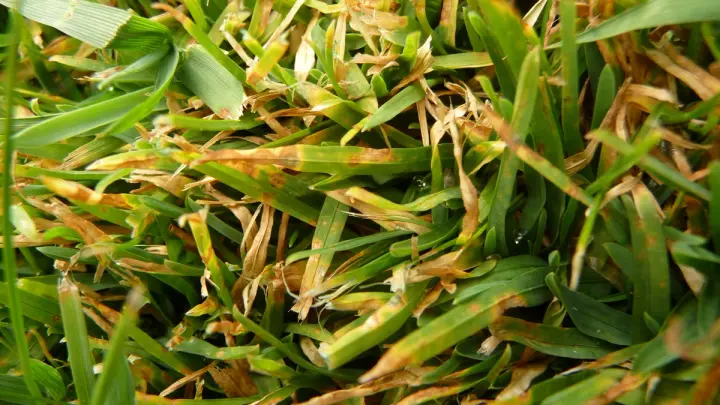
Why Lawn Turns Yellow
Yellow grass can stem from nutrient loss, poor watering, pests, disease, or seasonal stress. Mowing, fertilising, watering, aeration, and reseeding help restore and maintain a lush green lawn.
Read more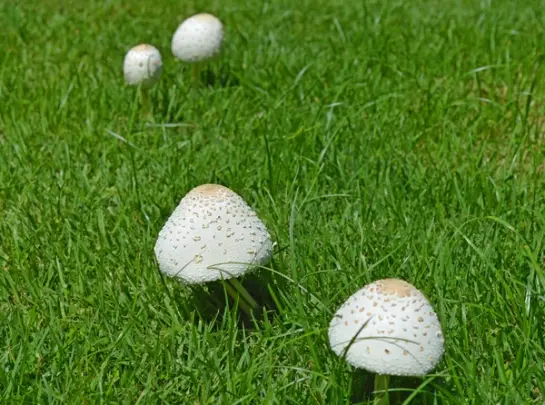
Mushrooms and Toadstools Blog
Mushrooms in lawns are usually harmless, but some can be poisonous. They thrive in moist, shaded areas with rich soil. Don’t mow them—remove by hand, improve drainage through aeration, and trim nearby trees to reduce shade and discourage growth.
Read More