
Summer Lawn Care Guide: Watering, Mowing and Heatwave Advice
Summer can be tough on lawns. Long periods of heat, dry soil, and occasional hosepipe restrictions can quickly leave grass looking brown, dry, and stressed, even when it’s been well looked after.
The good news is that a few simple changes to your lawn care routine can make a real difference during the warmer months. Watering properly, mowing at the right height, and reducing stress on the grass can all help keep your lawn healthier through periods of heat and drought.

Author
Leanne Lewis
Reviewed By
Alasdair Boyes
Updated: 9/2/2026
Published: 8/4/2025

Why Hot Weather Affects Your Lawn
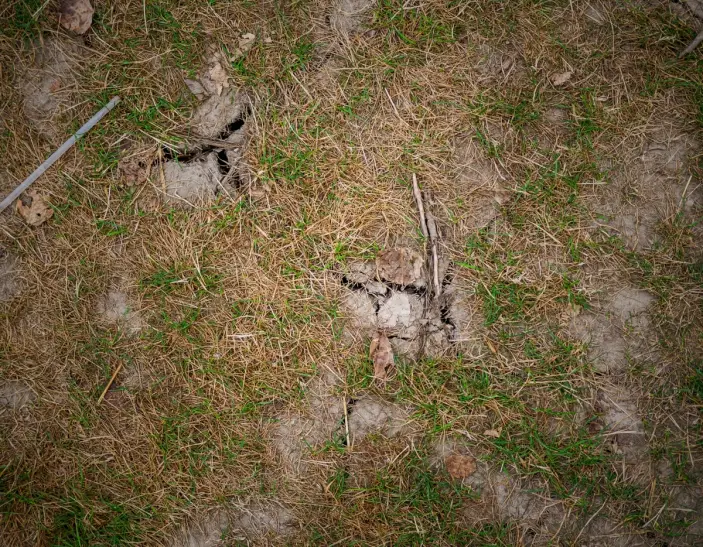
Grass naturally struggles during long periods of dry, hot weather. As temperatures rise, moisture evaporates more quickly from the soil, leaving less water available for the roots.
During heatwaves, lawns may:
- lose colour or turn brown
- feel dry and brittle underfoot
- stop growing as quickly
- become thinner or patchier in places
In many cases, this doesn’t mean the lawn is dead. Grass will often go dormant during extreme conditions to help protect itself, and many lawns recover once temperatures cool and rainfall returns.
Why Hot Weather Affects Your Lawn
Grass naturally struggles during long periods of dry, hot weather. As temperatures rise, moisture evaporates more quickly from the soil, leaving less water available for the roots.
During heatwaves, lawns may:
- lose colour or turn brown
- feel dry and brittle underfoot
- stop growing as quickly
- become thinner or patchier in places
In many cases, this doesn’t mean the lawn is dead. Grass will often go dormant during extreme conditions to help protect itself, and many lawns recover once temperatures cool and rainfall returns.

The Best Time to Water Your Lawn in Summer
Grass naturally struggles during long periods of dry, hot weather. As temperatures rise, moisture evaporates more quickly from the soil, leaving less water available for the roots.
During heatwaves, lawns may:
- lose colour or turn brown
- feel dry and brittle underfoot
- stop growing as quickly
- become thinner or patchier in places
In many cases, this doesn’t mean the lawn is dead. Grass will often go dormant during extreme conditions to help protect itself, and many lawns recover once temperatures cool and rainfall returns.

How Often Should You Water Your Lawn?
When it comes to watering your lawn, deeper and less frequent is usually better than little and often.
A proper soak encourages roots to grow deeper into the soil, helping the lawn become more resilient during dry weather. Light surface watering can lead to weaker, shallower root systems over time.
As a general guide:
- established lawns usually only need watering once or twice a week during dry periods
- newly seeded lawns may need more regular watering while establishing
- areas showing signs of stress should be prioritised first during water restrictions
Simple Ways to Help Your Lawn During Dry Weather
Healthy lawns cope with summer stress much better than lawns that are already struggling with poor growing conditions or weaker root systems, so improving overall lawn health can make a noticeable difference during hot weather.
Some simple ways to support your lawn during summer include:
- raising your mower height slightly
- avoiding unnecessary foot traffic during heatwaves
- improving soil health through aeration
- collecting rainwater where possible
- avoid overwatering
Even small changes to your lawn care routine can help reduce moisture loss and improve drought resilience over time.
Summer Lawn Mowing Tips
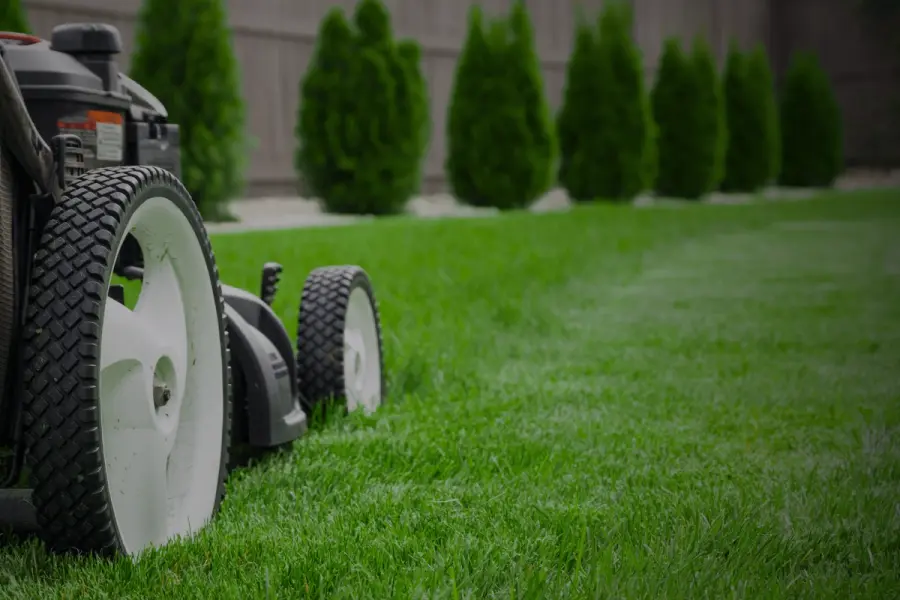
Cutting grass too short during hot weather can place extra stress on the lawn and increase the risk of scorching.
During summer, it’s usually better to leave the grass slightly longer than normal. Longer grass helps shade the soil, reduce evaporation, and protect the roots from intense sunlight.
It also helps to:
- mow less frequently during dry periods
- avoid removing more than one-third of the grass height at once
- keep mower blades sharp for a cleaner cut
Can Brown Grass Recover After a Heatwave?
In many cases, yes.
Grass often turns brown during prolonged dry weather because it temporarily goes dormant to conserve energy and moisture. Once rainfall returns and temperatures begin to cool, healthy lawns can often recover naturally over time.
However, lawns already struggling with compaction, moss, poor soil health, or heavy wear may find recovery more difficult. In these cases, a professional Lawn Recovery Treatment, combining scarification, overseeding, and top dressing — can help encourage fresh, healthier growth.
Frequently Asked Questions
How often should I water my lawn during summer?
Most established lawns only need deep watering once or twice a week during dry weather. Watering deeply helps encourage stronger root growth and improves drought resilience.
What is the best time to water grass in hot weather?
Early morning is usually the best time to water your lawn. Cooler temperatures help reduce evaporation and allow moisture to soak into the soil properly.
Will brown grass recover after a heatwave?
Often, yes. Grass commonly turns brown and dormant during prolonged dry weather to protect itself. Once rainfall returns, many healthy lawns recover naturally.
Should you mow your lawn during a heatwave?
Yes, but it’s best to mow less frequently and avoid cutting the grass too short. Leaving the lawn slightly longer helps protect it during periods of heat and drought.
How can I conserve water while caring for my lawn?
Collecting rainwater, watering only when necessary, improving soil health, and avoiding overwatering can all help reduce water usage while keeping your lawn healthier during summer.
Professional Lawn Care During Summer
Every lawn responds differently to summer weather depending on soil conditions, grass type, shade, and overall lawn health.
At GreenThumb, we often see lawns struggle during extended dry periods, particularly where the soil dries out quickly or the lawn is already under stress from poor growing conditions. Our Lawn Recovery Treatment can help improve root health, strengthen the lawn, and support recovery after periods of heat and drought.
With the right care and ongoing maintenance, lawns can stay healthier, greener, and more resilient throughout the changing seasons.
Further Lawn Care Advice

Improves Water Efficiency
Oasis helps your lawn make the most of every drop by retaining moisture deep in the soil, keeping your grass nourished and hydrated for longer.
Read More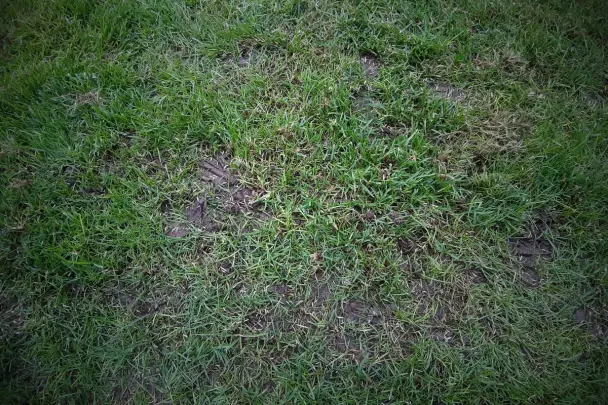
Lawn Problems
If you're noticing brown patches, weeds, or thinning grass, it’s important to identify the root cause. Lawn problems can stem from various factors, and understanding what’s affecting your grass is the first step toward a solution.
Read More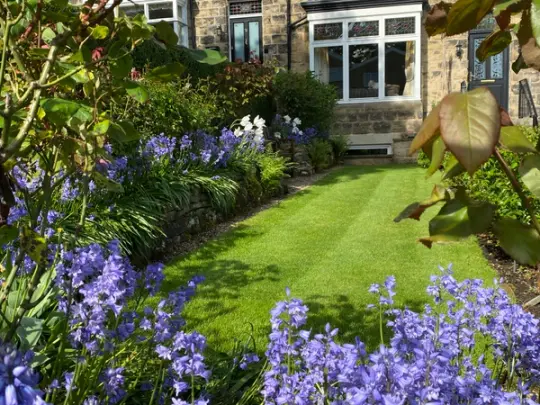
Lawn Refresh
Lawn Refresh is a six-step treatment designed to revive tired, patchy lawns through scarification, aeration, overseeding, and fertilisation. It’s an effective alternative to re-turfing, restoring your lawn’s health, density, and appearance.
Read More