
What Causes a Brown and Patchy Lawn?
A brown and patchy lawn is one of the most common concerns for UK homeowners. Whether it's brown patches in your lawn, dry, brittle grass, or areas that simply won’t grow back, this unsightly problem has several causes—and solutions.
In this expert guide, we’ll explain what causes brown grass, how to spot lawn diseases or pest damage, and how to tell whether your grass is dormant or dead. You'll also learn how to repair brown patches, prevent further damage, and when to call in lawn care professionals like GreenThumb to get your turf back on track.

Author
Leanne Lewis
Reviewed By
Alasdair Boyes
Updated: 12/8/2025
Published: 8/14/2024

Common Causes of Brown and Patchy Lawns
Understanding what causes a brown lawn starts with how grass reacts to its environment.
Heat and Drought Stress
During hot, dry spells, grass may enter dormancy to preserve energy. This can result in brown, straw-like blades. The problem worsens with compacted soil, which blocks roots from accessing water and nutrients.
Solution: Aeration, proper watering, and seasonal feeding improve drought resistance. GreenThumb’s programmes strengthen root systems and prepare your lawn for weather extremes.
Pet Urine (Especially Dogs)
Dog urine causes highly concentrated nitrogen burns. This often creates dark green rings with a brown centre—a telltale sign of lawn burn.
Solution: Dilute affected areas with water immediately and designate pet toilet zones
Over-Fertilising
Applying too much fertiliser can scorch grass, causing uneven colour and brittle brown patches. It may also increase thatch or moss levels.
Solution: Use a professional Lawn Care company. GreenThumb applies professional-grade, no scorch/slow-release fertilisers at the correct rates to avoid burn and maintain steady growth.
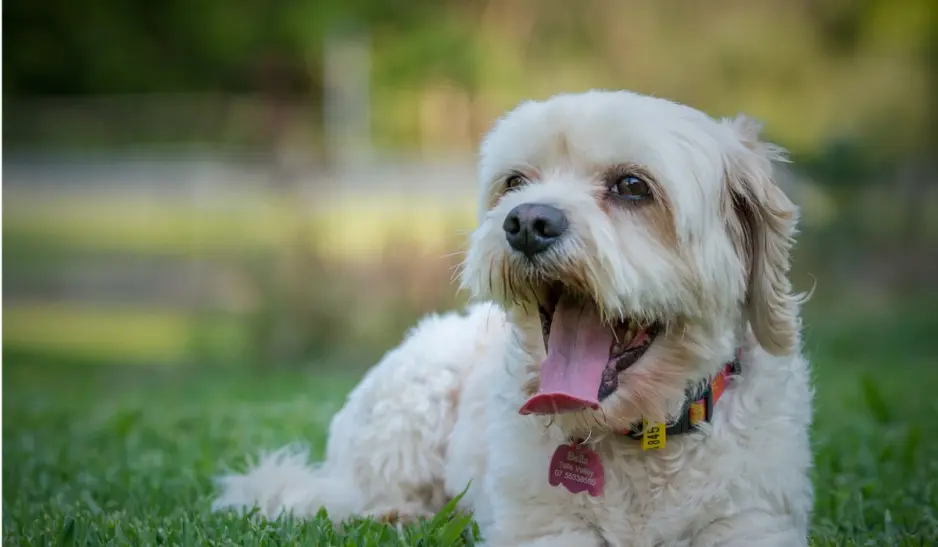
A dog enjoying the garden can be a joy — but their urine may be a hidden cause of brown patches on your lawn
Lawn Diseases That Cause Brown Patches
Common UK Lawn Diseases Include:

Red Thread: Pink/red threads across the lawn
Brown Patch (Rhizoctonia solani): Circular-shaped brown patches, prevalent in hot summer conditions
Fusarium Patch (Snow Mould): White, cottony patches in damp, cool weather
Leaf Spot: Tan or brown lesions along grass blades
These fungal issues often lead to brown patches in lawn areas.
Solution: Improve airflow by aeration, carry outmowing at the correct height and keep your lawn well-fed but balanced. GreenThumb offers disease-resistant care tailored to UK lawns and can diagnose infections on-site.
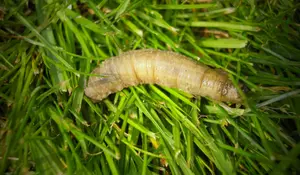
Two main lawn pests in the UK include:
- Chafer Grubs: Feed on roots, causing soft turf
- Leatherjackets (Crane Fly Larvae): Cause thinning and dead patches
Birds and other animals may dig up turf to reach them, leaving bald or patchy areas behind.
Signs of Pest Damage:
Turf lifts easily, like a carpet
Increased bird or mammal activity
Weak, discoloured root systems
Spreading brown patches
Solution: Early treatment is crucial. GreenThumb offers targeted pest control, soil improvement, and overseeding to bring your lawn back to life.
Is It Dormant Grass or Dead Grass?
Dormant grass turns brown during heat or winter dormancy but will revive. Dead grass is beyond saving.
To tell the difference between dormant grass and dead grass, there are three simple tests you can use:
Start with the tug test — dormant grass will resist being pulled, while dead grass comes out easily. Next, check the crown colour (the base of the grass blade near the soil). Dormant grass typically has a creamy white or light green crown, whereas dead grass has a brown, grey, or mushy crown. Finally, look at the water response. Dormant grass usually recovers within 10 to 14 days with proper watering, while dead grass shows no recovery even with consistent care.
These tests can help you decide whether your lawn needs time to bounce back or requires reseeding and repair.
Solution: If your lawn doesn't bounce back, it’s time to overseed or repair. GreenThumb can identify the problem and restore dead patches quickly.
How to Repair a Brown and Patchy Lawn
If you're wondering how to fix a patchy lawn, start with the basics:
Deep, Infrequent Watering
- Water 2.5–4cm per week
- Water in early morning to avoid disease
Aerate Compacted Soil
- Improves root access to water and nutrients
- Reduces moss and thatch buildup
Overseed Bare Patches
- Choose the right seed mix for your region
- Mow slightly lower before seeding
- Keep soil moist during germination
GreenThumb offers seasonal overseeding and aeration as part of our bespoke treatment plans, ensuring your lawn regains colour, thickness and health.
Preventing Brown Grass and Patches
Prevention is better than cure when it comes to lawn care.
Mow at the right height – don’t scalp your lawn
Aerate regularly – especially high-traffic areas
Feed seasonally – tailored to growth stages
Scarify moss and thatch – improves airflow and drainage
Use the right grass seed – match species to shade, soil and wear levels
When to Call in the Professionals
You should seek professional help if:
- Brown patches continue to spread
- Lawn won’t respond to watering or feeding
- You suspect pests or fungal disease
- You notice heavy moss or thatch buildup
- Turf feels spongy or lifts up easily
Why Choose GreenThumb?
- Local expertise across UK
- Professional scarification, aeration and overseeding
- Seasonal treatments tailored to your lawn
- Accurate pest and disease diagnosis
Let GreenThumb help you get to the root of the problem and bring your lawn back to life—greener, thicker and healthier than ever.
Final Thoughts: Don’t Let Brown Patches Take Over
A brown and patchy lawn is more than just a cosmetic problem—it’s a signal that your lawn is under stress. By identifying whether it’s pet damage, disease, pest activity, or simply weather-related dormancy, you can take the right steps to correct it.
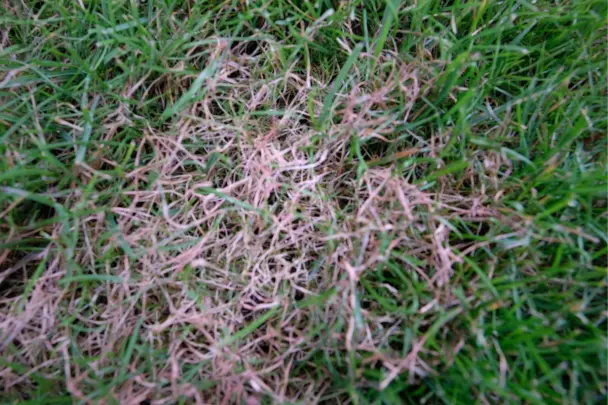
Lawn Disease Management
Focusing on combating common turf diseases like red thread and fusarium patch, using fungicides and cultural practices to reduce infections. These treatments help restore lawn health and promote long-term recovery.
Read More
Why Lawn Care Helps
Professional lawn care delivers better results than DIY. Expert treatments and regular maintenance create healthier grass, fewer weeds, and more free time for you to enjoy your lawn.
Read More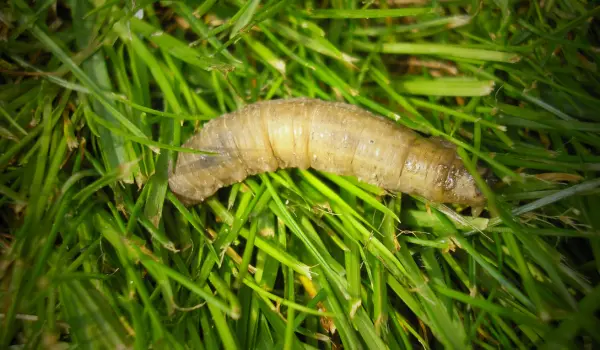
Pest Management
Green Thumb’s Lawn Pest Control service effectively protects your lawn from pests like grubs and ants. Expert treatments keep your turf healthy and pest-free, tailored to your lawn’s specific needs.
Read More