
Lawn Rust Explained
If you've noticed your once-green lawn starting to look a little tired, with orange or yellow dust coating the grass blades, you might be dealing with lawn rust. Don’t worry—while it might sound serious, this common fungal disease is manageable with the right care and attention.
In this blog, we’ll explain what lawn rust is, how to spot it, what causes it, and most importantly, what you can do to prevent and treat it—so your garden stays looking its best.

Author
Leanne Lewis
Reviewed By
Alasdair Boyes
Updated: 1/23/2026
Published: 12/11/2024

What Is Lawn Rust and What Does It Look Like?
Lawn rust is a fungal disease that affects grass, making it look dull, patchy, and unhealthy. One of the first signs you’ll see is a fine orange or yellow powder on your shoes or mower after walking across the lawn. That “dust” is actually made up of spores from the rust fungus.
As the disease spreads, grass blades may turn brown and appear dry or scorched. Over time, the lawn can thin out and lose its lush, vibrant look. It’s most common in late summer and early autumn when the weather is warm and humid—ideal conditions for rust to thrive.
You might wonder if it’s really rust or something else, like drought stress or another disease. The giveaway is those colourful spores. If your lawn leaves a yellow or orange stain behind, you’re likely dealing with lawn rust.
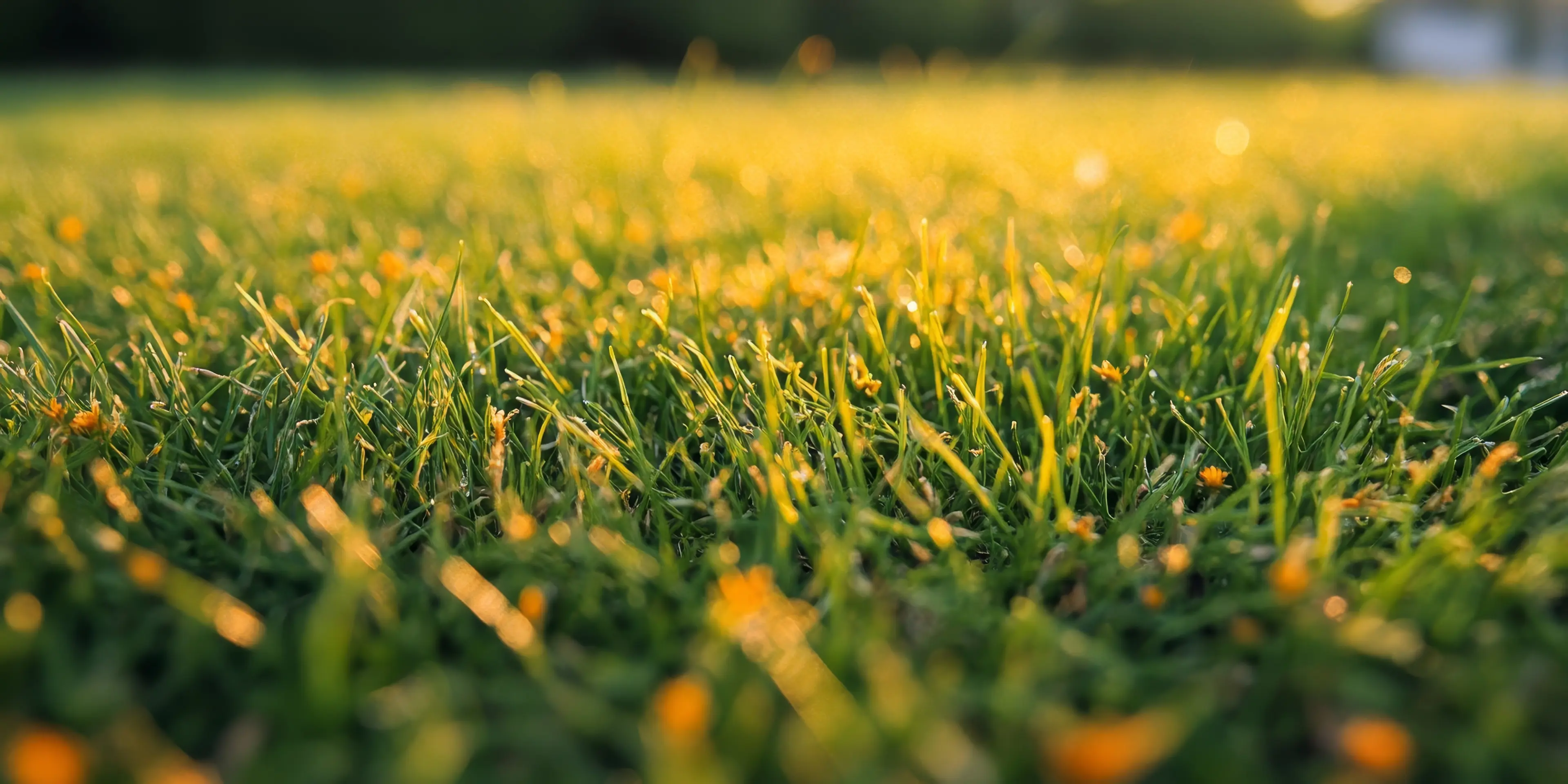
Visible orange and yellow spores on grass blades—a common sign of lawn rust affecting overall lawn health and appearance.
What Causes Lawn Rust?
Lawn rust usually appears when your grass is already a bit stressed—maybe from a lack of nutrients, too much shade, or inconsistent watering. Here are some of the most common triggers:

High humidity and warm weather
Poor air circulation (like crowded plants or overgrown areas)
Not enough nitrogen in the soil
Infrequent mowing or dull mower blades
Watering too late in the day which keeps grass damp overnight
Basically, lawn rust takes advantage when conditions aren’t quite right for healthy grass—but perfect for fungus.
How to Prevent Lawn Rust
The good news? A few smart lawn care habits can go a long way in keeping rust (and other fungal issues) at bay.
Feed your lawn regularly
Use a balanced fertiliser with the right mix of nitrogen, phosphorus, and potassium—especially during spring and autumn. This helps your grass stay strong and better able to resist disease.
Mow properly
Don’t cut your grass too short, and avoid trimming more than a third of the blade at once. Mowing at the right height helps reduce stress and improves airflow.
Water wisely
Water deeply but less often, and do it early in the morning so the grass has time to dry before nightfall. This helps develop deep roots and prevents that damp, fungus-friendly environment.
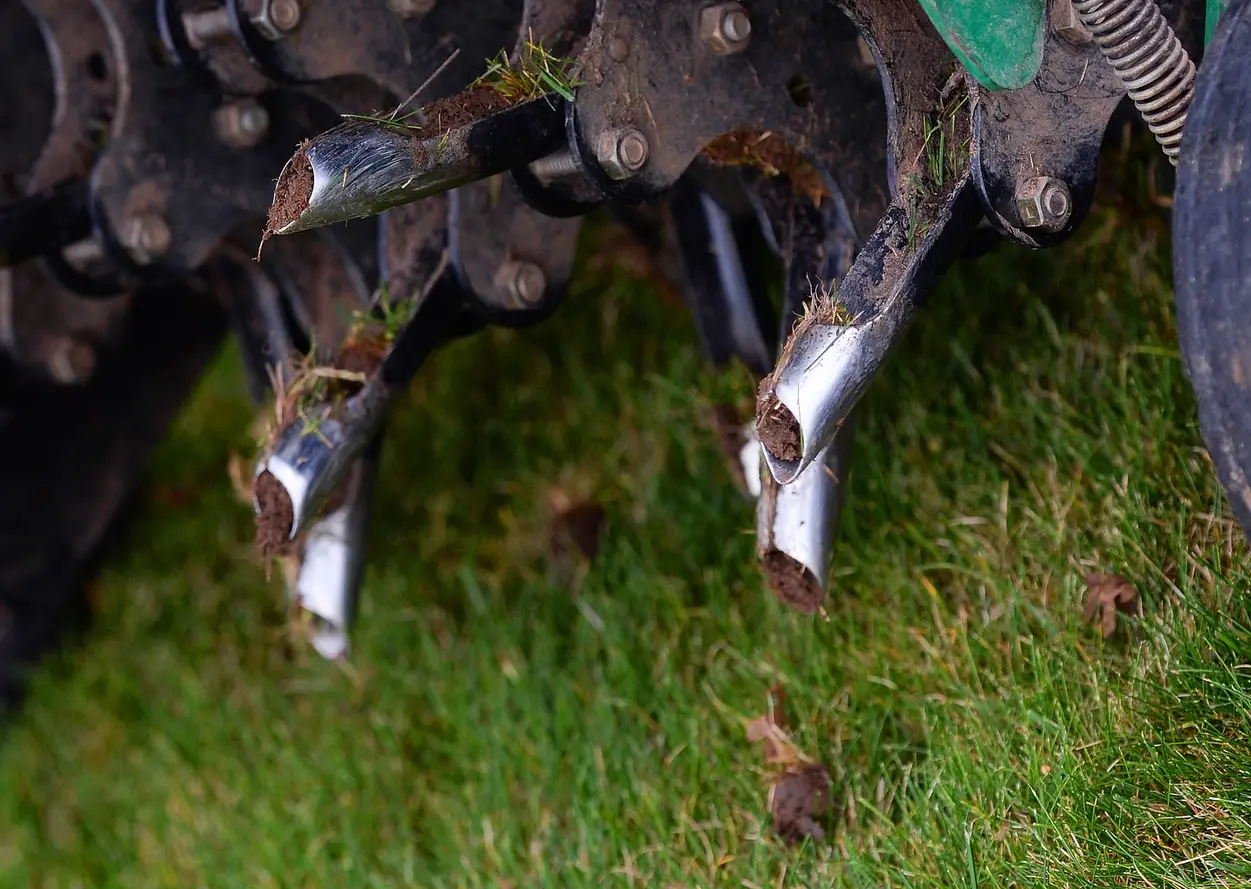
Aerate and Scarify
Compacted soil and thick layers of thatch trap moisture. Aerating your lawn and managing thatch buildup while scarification helps your soil breathe and drain properly.
These simple steps not only reduce the chances of lawn rust but also improve the overall health and appearance of your lawn.
What to Do If You’ve Got Lawn Rust
If rust has already made an appearance, don't panic—it’s treatable.
At GreenThumb, we offer targeted treatments designed to tackle lawn rust and support your lawn’s recovery. Our professional foliar feeds and fungicides are safe, effective, and applied with care to ensure your lawn gets what it needs without harming the surrounding environment.
If you’re treating it yourself, always read the product instructions carefully. Wear gloves and protective gear, apply on a calm day for even coverage, and avoid overusing any product. Light watering after application can help the treatment work more effectively.
Keep an eye on your lawn after treatment. If conditions don’t improve, or if rust returns, it may be time to look more closely at your lawn care routine or get some professional advice.
Final Thoughts
Lawn rust might be annoying, but it’s also a sign that your lawn could use a bit of extra attention. With a few adjustments to your routine—and, if needed, a helping hand from the experts—you can restore your lawn’s health and keep it looking green and gorgeous.
Got questions about lawn rust or other common lawn issues? Your local GreenThumb team is always happy to help!
Worried About Lawn Rust?
Lawn rust can be unsightly—but it doesn’t have to take over your garden. With the right care, your lawn can bounce back quickly. Our GreenThumb experts use professional-grade fertilisers and targeted treatments to keep fungal diseases like lawn rust at bay. Let us help you protect your lawn.
Why Lawn Care Helps
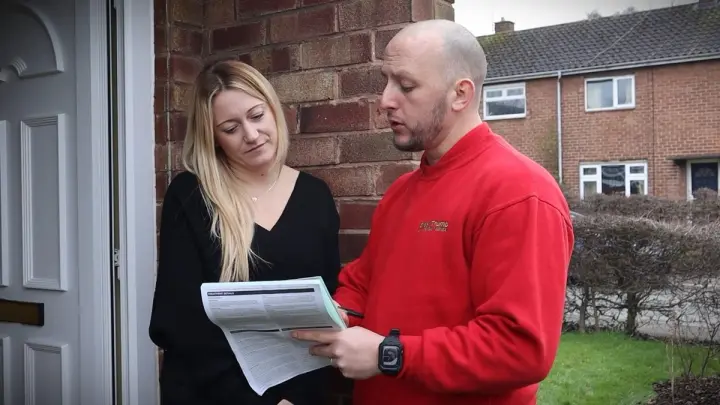
Professional lawn care delivers better results than DIY. Expert treatments and regular maintenance create healthier grass, fewer weeds, and more free time for you to enjoy your lawn.
Read More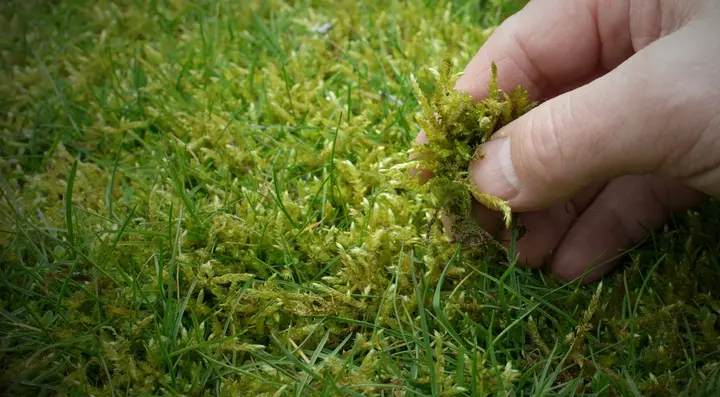
Is moss smothering your grass?
Tired of moss taking over your lawn? Learn how to identify the causes, tackle existing moss effectively, and prevent it from returning. Our expert-backed tips will help you restore lawn health, improve drainage, and keep your grass looking its best.
Read More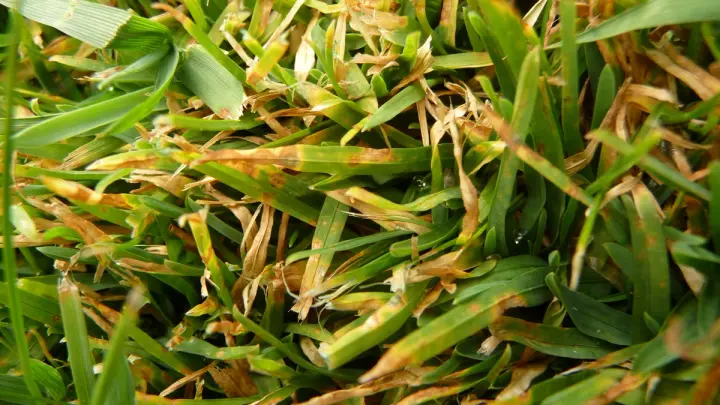
Why Lawn Turns Yellow
Yellow grass can stem from nutrient loss, poor watering, pests, disease, or seasonal stress. Mowing, fertilising, watering, aeration, and reseeding help restore and maintain a lush green lawn.
Read more