
Artificial Grass vs Natural Grass
When it comes to choosing between synthetic turf and natural grass, the debate runs deeper than appearances. While both offer visual appeal and utility, they differ greatly in environmental impact, maintenance needs, and long-term benefits. In this blog, we dig into the pros and cons of each option to help you make an informed decision that suits your lifestyle, garden goals, and values.

Author
Jade Ivory

Reviewed By
Steven Taylor
Updated: 12/8/2025
Published: 3/15/2023

Synthetic Turf vs. Real Grass
The age-old debate – organic vs synthetic, real or fake, artificial turf or real grass. As to which is ‘superior’ between artificial grass and natural lawns, and which should occupy often the largest section of a property, is almost entirely subjective. Both provide aesthetic and recreational areas that complement garden, but the two are very different in most ways except visually. Deciding the most suitable grassy surface depends on the basis for comparison and one’s frame of reference.
As you’d expect, three decades of creating beautiful lawns make us biased to favour real grass. We not only appreciate how a garden is visually enhanced by a healthy lawn; but also the wellbeing benefits of nearby nature, and the positive impact of grass to wildlife and the environment. Carrying out millions of lawn treatments each year, our first-hand experience caring for different types of grass has taught us - natural is better.
That isn’t to suggest that artificial turf doesn’t have benefits or market demand; since its introduction in the 1960s, the synthetic alternative has had many uses. Many are familiar with the popularity of the grass-like surface in sports and both residential and commercial spaces. Artificial grass is also a great way for those who do not have a ‘garden space’ to brighten balconies and rooftop gardens, and its versatility allows for non-traditional uses such as a way to decorate exhibition stands and even welcome mats.
With all the mention of less maintenance, no watering or mowing and so on, an artificial lawn may seem like the perfect solution. Though not without its uses, perhaps an artificial lawn is not quite the entirely effortless alternative it’s purported to be.
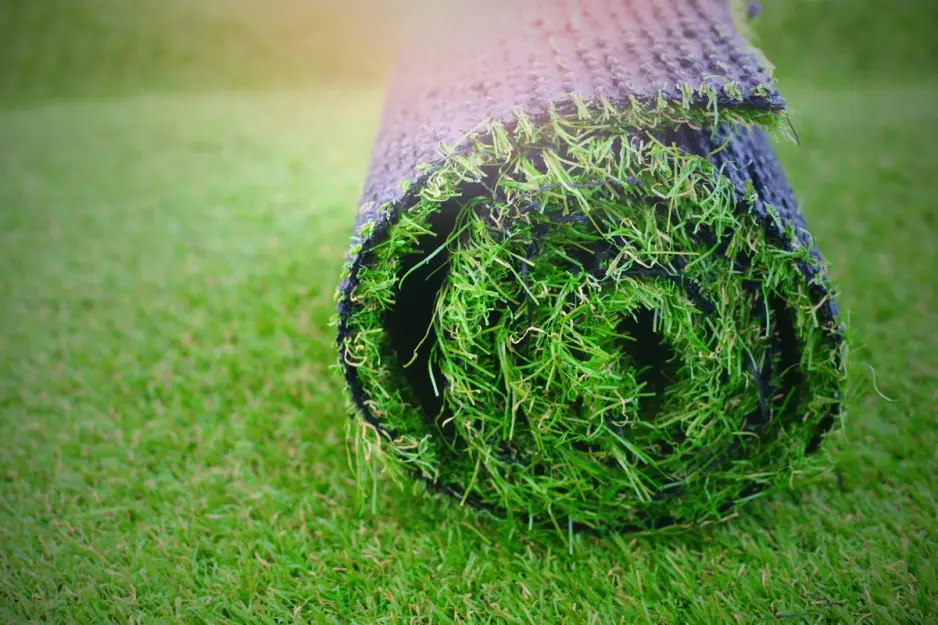
Faux lawns
A faux pas? When it comes to the modern British garden and our speciality - lawns, our attitudes aren’t elitist, nor are we part of what one journalist has dubbed, ‘haughty culture’. Far be it from us to insist that anything in a garden but ‘pure’ grass is invalid; a beautifully maintained, healthy and weed-free lawn is in itself different to a natural grassland left to grow wild. Though we think the genuine article can’t be beaten, pseudo-grass in an artificial lawn has appealing qualities for many, let’s consider some below:
Pros:
- Low maintenance:
- Does not require mowing, watering, nutrition or sunlight
- Wide-range appeal: advantageous for those with smaller gardens, living in apartments with a balcony, with children/ pets, and those who may struggle to maintain a lawn
- Consistent appearance: being made of lifeless material, for the majority of its lifespan, the colour etc. of an artificial lawn remains the same
Cons:
In some ways, an artificial lawn is lacking. Let’s have a look at some potential shortfalls of an instant lawn:
- Environmental impact: only green in colour, the ersatz turf, often highly praised for its water-saving benefits, is still plastic. Not only does it have zero climate benefits, but artificial grass has also been shown to have a demonstrable negative impact on the environment
- Not biodegradable: will ultimately end up in landfill
- Petroleum based product: “The environmental impacts of petroleum are mainly negative. This is due to the toxicity of petroleum which contributes to air pollution, acid rain, and various illnesses in humans. Petroleum also fuels climate change, due to the increased greenhouse gas emissions in its extraction, refinement, transport and consumption phases.”
- Manufacturing and transporting (most artificial turf made overseas) uses fossil fuels and contributes to carbon emissions
- Problematic for nature: replacing natural grass with sterile plastic plants provides absolutely nothing for wildlife, it deprives living things of food/habitat they would otherwise utilise in a real lawn.
- Expensive: often costly to initially install, repair, dispose of and replace
- Low maintenance, not ‘no’ maintenance: requires cleaning, sweeping, weeding, damage prevention
- Not a weed-free guarantee!: weeds can grow through an artificial lawn
- Moss: not just for real lawns, moss can survive on all surfaces
- Caution! Hot surface: reaching considerably higher temperatures than real turf, artificial grass of low quality, or installed without a sand infill can be very hot to the touch in summer
- Often looks the part, but doesn’t have the feel or the smell of grass
All artificial grasses are [not] created equal:
- As with many products, there is a spectrum of quality from which to choose, and many factors that could result in a flat, unrealistic appearance
The process of installing an imitation lawn is more laborious than its ‘low maintenance’ reputation may suggest.
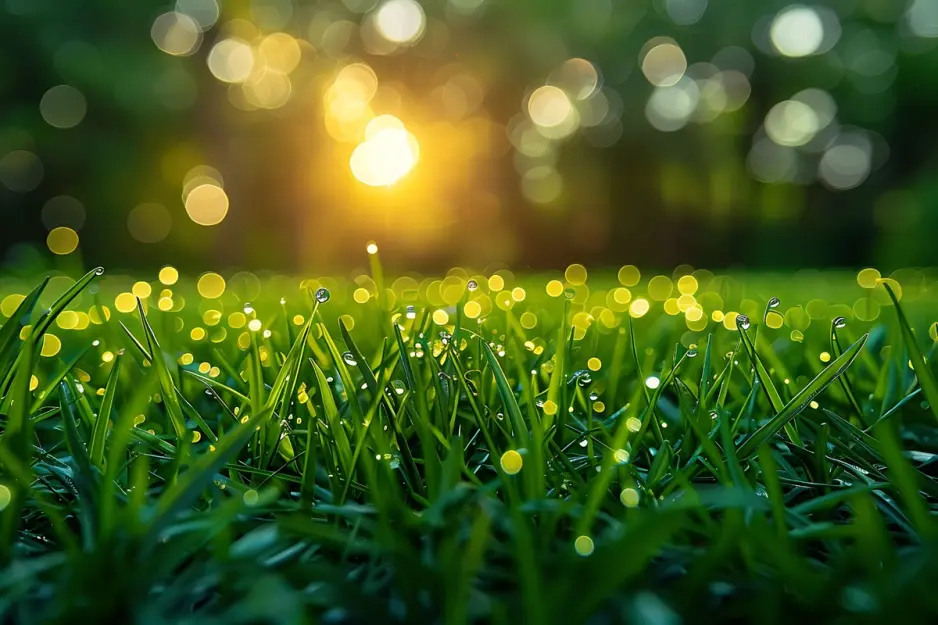
Traditional turf
What does it mean for a lawn to be real?
The term denotes authenticity, being genuinely what something appears to be. A real lawn is the archetype - the original basis from which artificial turf is copied – a manmade imitation of the visible characteristics and natural structure of grass. Despite artificial turf often replicating grass almost identically, a real lawn provides a genuine, natural green space. A true lawn is alive - formed of growing, breathing organisms. Collaborating with the earth below, in which a countless number of organisms are present; a real lawn is its own small ecosystem, and being a food chain producer, is part of the large-scale ecosystem.
Pros:
- Keep cool and carry on: being up to 93% water, grass plants remain a lower temperature than an artificial lawn in identical conditions
- Reduce noise pollution: a soft, grass lawn is like an insulation panel - able to absorb sounds from cars, people, animals etc.
- Improves air quality: plays a part in purifying the air
- Break down many types of pollutants: moisture from rain and dew aid the absorption of air-borne impurities caught by the grass blades
- The root mass and soil microorganisms act as a filter to capture and break down pollutants
- Takes in CO2 – gives back oxygen: carbon dioxide is a compound needed for the grass plants to carry out photosynthesis
- The grass plants in a lawn (like all photoautotrophs) take in carbon dioxide in the air that we release through aerobic respiration. It is converted to oxygen, which many species need to breathe
- Prevents soil erosion: real grass helps keep soil structure loose and open, allowing water to soak through – which helps replenish groundwater resources when it rains
- Water runoff: lawns absorb much of the water after heavy rain, slowing runoff and allowing time for water to seep back into the groundwater system
- Sharing is caring: GreenThumb can take care of all areas of lawn care such as weed control, moss control, nutrition, aeration and scarification and much more. All that’s left for you to do is cut and water the lawn, and we can help with our expert advice!
- Great for nature: a garden with a natural lawn supports biodiversity and wildlife
- Birds and small mammals: feed on the bugs which thrive in lush vegetation
- Insects: such as ladybirds live among the grass blades, and are able to find refuge there during winter
- Soil habitat: many organisms such as earthworms, insects, millions of microbes, and single-celled organisms such as protozoa live in the soil beneath the turf
- Beneficial organisms: grass in lawns and topsoil are home to organisms that break down and recycle organic/inorganic elements - Controls dust and pollen: lawns can trap millions of tons of dust, pollen and dirt released into the atmosphere
- Sustainable: unlike artificial turf, real grass is able to repair and regenerate itself whereas an artificial turf requires expensive, specialist repairs
- There’s no substitute for:
- The softness of a healthy, natural lawn when barefoot in summer
- The fragrant scent of freshly cut grass - Naturally complementary: real grass complements the trees, flowers and other plants in the garden
- How nearby nature benefits you - There is continually mounting evidence to prove the positive effects of real greenery on human phycological and physical wellness.
- Improved mental health
- Improved self-esteem and mood
- Helps with mental fatigue
- Restorative effects
- ‘Earthing’: ‘The research done to date supports the concept that grounding or earthing the human body may be an essential element in the health equation along with sunshine, clean air and water, nutritious food, and physical activity.’
- Compared with a synthetic environment, relaxing in a natural environment is thought to promote and enhance restoration, as well as an increase in energy
- Physical activity in natural environments can produce a positive psychological response and reduced risk of poor mental health. The physical effort that goes into mowing the lawn and other maintenance is a great therapeutic activity, releases endorphins and burns calories!
- Stress and stressful life events can cause negative health impacts, green spaces can help alleviate the symptoms
- Increase feelings of contentment and happiness
- It’s even been shown to help alleviate the symptoms of children with ADHD
Cons
Let’s consider some possible downsides to having a real grass lawn that requires maintenance to remain healthy and looking its best:
- Growing means mowing: a potential drawback to a real lawn is that it will continually grow. So, unless you don’t mind the likelihood of losing several family members and the dog, a grass lawn will need to be cut regularly and to a suitable height for its health
- Muddy when wet
- Can be damaged by pets, football games etc.
- Effort: all good things take time, and often a bit of work! A lawn at its best has proper nutrition, is free of weeds, moss, pests and disease, as well as good soil performance and low thatch levels…sound complicated? As mentioned earlier, we take all the hassle out of lawn care – and will let you know the best watering and mowing practices
Did you know?
- All of the FIFA Women’s World Cup 2019 stadiums had real grass – “a refreshing change from the 2015 tournament in Canada with entirely artificial turf fields”
- The first artificial turf “ChemGrass” was invented in 1964
Soon after renamed “AstroTurf” following its use in the Houston Astrodome, Texas
We believe that in a similar way to a home, a garden is a special place – it can even be a personal sanctuary. Designing a garden, even in small ways such as choosing flowers and a colour scheme, is an expression of one’s individuality. Therefore, the subject of, and deciding between a natural vs artificial lawn, depends on the individual and their r
Choose a Lawn That’s Alive – Naturally Beautiful, Sustainably Cared For
Natural grass offers long-term benefits for your garden, the environment, and your well-being. Let GreenThumb help you make the most of it with expert lawn care, year-round.
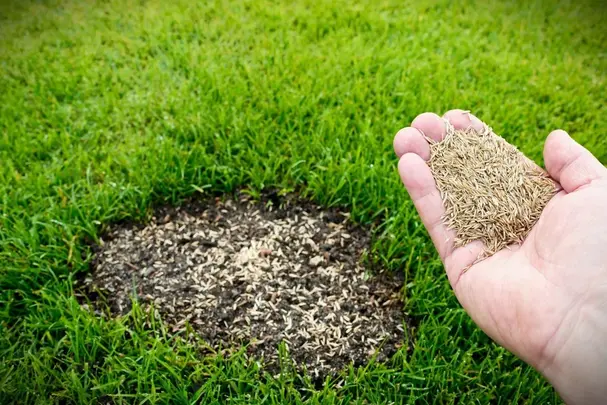
Types of Grass
Choosing the right type of grass can make a big difference in how your lawn looks, feels, and grows. Visit our blog to learn about the different types of grass and find the best one for your lawn.
Read More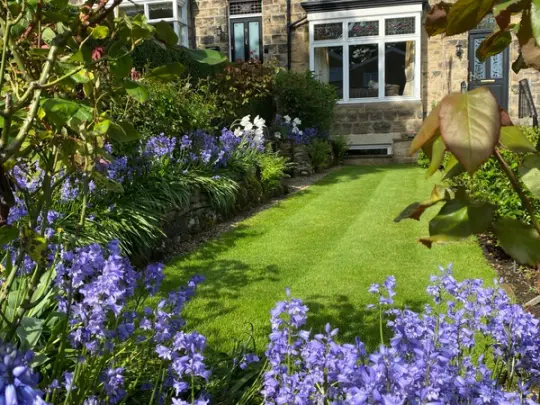
Why should I treat my lawn?
Lawn treatments are essential for keeping your lawn healthy and vibrant, tackling issues like pests, disease, and nutrient deficiencies. GreenThumb’s tailored treatments keep your lawn lush, green, and strong all year round.
Read More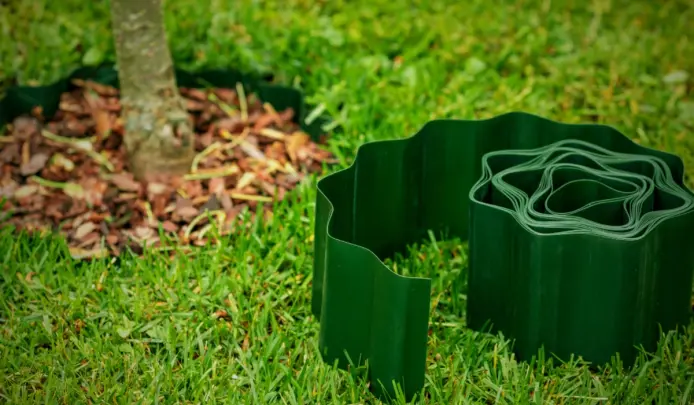
Lawn Edging
Lawn edging is an easy way to make your garden look polished, tidy, and well-maintained. Head over to our blog for simple, practical tips on how to create beautiful, well-defined edges for your lawn.
Read More