
The Ultimate Lawn Mowing Guide: How to Cut Your Grass the Right Way
Mowing the lawn might seem straightforward, but how and when you cut your grass can make a big difference to the overall health and appearance of your lawn.
Cutting too short, mowing at the wrong time, or using blunt mower blades can all place unnecessary stress on the grass, leaving lawns looking thin, patchy, or unhealthy over time.
The good news is that a few simple mowing habits can help encourage thicker growth, improve lawn health, and keep your grass looking its best throughout the seasons.
In this guide, we’ll cover everything you need to know about mowing your lawn properly, including mowing heights, seasonal mowing tips, common mistakes to avoid, and how to encourage a healthier, greener lawn over time.

Author
Steven Taylor

Reviewed By
Leanne Lewis
Updated: 5/27/2026
Published: 4/24/2024

Why Mowing Matters
Regular mowing does much more than simply keep the lawn tidy.
When carried out correctly, mowing encourages the grass to grow thicker and denser by promoting new side growth. Over time, this helps create a fuller lawn that’s better able to cope with weeds, moss, and general wear.
However, poor mowing habits can weaken the lawn instead. Cutting grass too short or mowing in poor conditions can place the grass under stress and leave it more vulnerable to damage.
How Short Should You Cut Your Grass?
One of the most common lawn care mistakes is cutting grass too short.
Very short grass struggles to retain moisture, becomes more vulnerable to heat and drought, and can weaken more quickly during periods of stress.
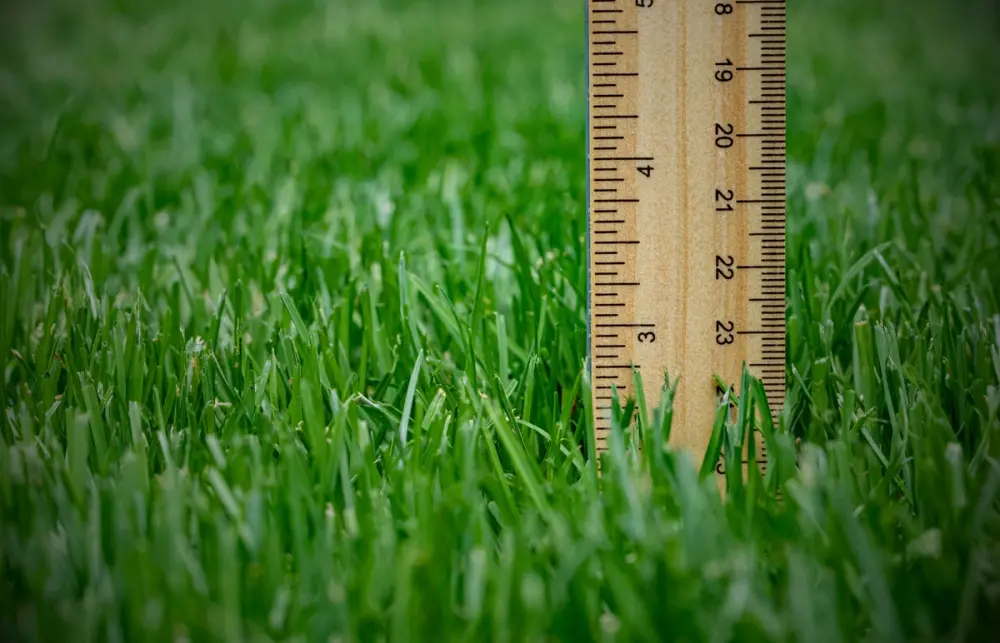
As a general guide:
- during spring and summer, most lawns benefit from being kept slightly longer
- in hot weather, raising the mower height can help protect the lawn from drying out
- during autumn, mowing height can gradually be lowered slightly before winter
It’s also best to avoid removing more than one-third of the grass height in a single mow, as cutting too much at once can shock the lawn.
How Often Should You Mow Your Lawn?
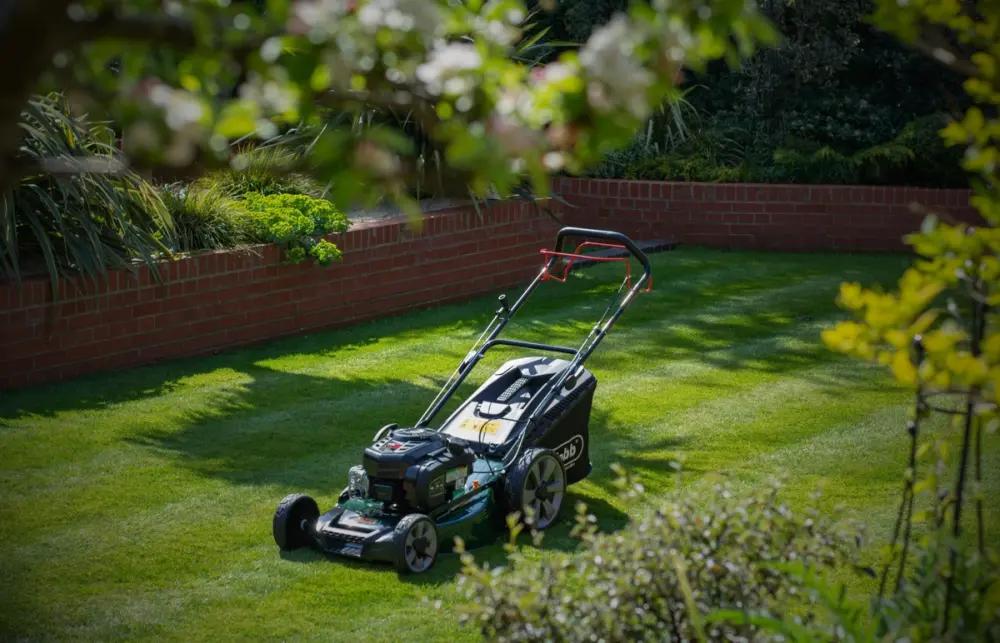
How often you mow depends largely on the time of year and how quickly the lawn is growing.
During spring, grass growth is usually at its strongest, meaning lawns may need mowing once or twice a week. Growth often slows during very hot weather or colder autumn conditions.
Rather than sticking to a strict schedule, it’s usually better to mow based on the lawn’s growth and overall condition.
Avoid Mowing Wet Grass
Mowing wet grass can create several problems for both your lawn and your mower.
Wet clippings tend to clump together, leading to uneven cutting and poor airflow across the lawn surface. Saturated soil can also become damaged more easily under the weight of the mower.
Whenever possible, it’s best to wait until the grass has dried before mowing.
Keep Your Mower Blades Sharp
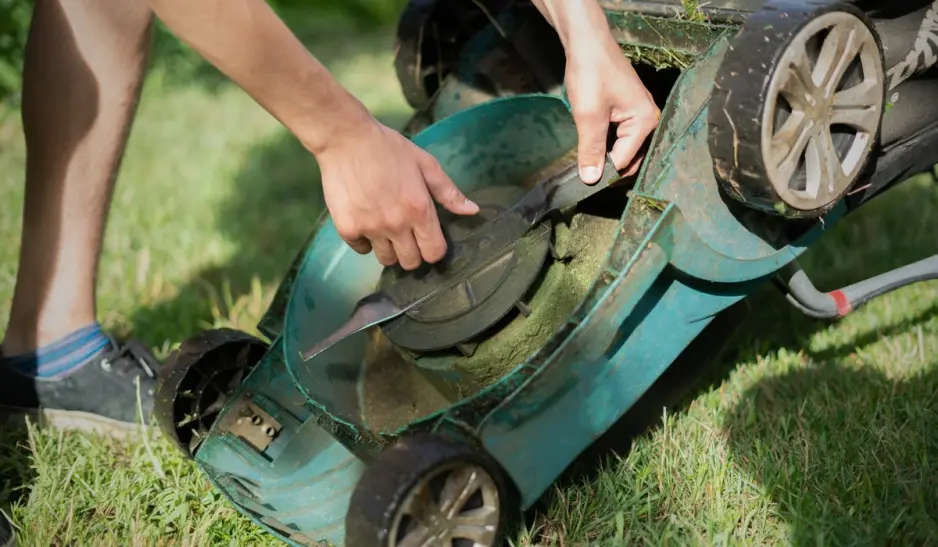
Sharp mower blades make a bigger difference than many people realise.
Blunt blades tear the grass rather than cutting it cleanly, which can leave the lawn looking ragged and increase stress on the grass. Torn grass blades may also become more vulnerable to disease and discolouration.
Keeping mower blades sharp helps produce a cleaner cut and a healthier-looking lawn overall.
Seasonal Lawn Mowing Tips
Your mowing routine should change slightly throughout the year depending on weather conditions and grass growth.
Spring
Spring is usually the busiest mowing season as grass growth starts increasing again after winter. Regular mowing during this period helps encourage thicker growth and improve lawn density.
Summer
During hot or dry weather, it’s best to keep the grass slightly longer to help shade the soil and reduce moisture loss. Lawns may also need mowing less frequently during drought conditions.
Autumn
Grass growth gradually slows during autumn, but lawns often still require occasional mowing while temperatures remain mild. Removing fallen leaves regularly also helps keep the lawn healthier.
Winter
Most lawns require very little mowing during winter, although occasional cuts may still be needed during mild spells. It’s best to avoid mowing the lawn too short and avoid mowing during frost or very wet conditions.
Common Lawn Mowing Mistakes
Some of the most common mowing mistakes include:
- cutting the grass too short
- mowing too infrequently and removing too much at once
- mowing during extreme heat
- using blunt mower blades
- mowing waterlogged or frosty lawns
Small improvements to mowing habits can make a noticeable difference to lawn health over time.
Does Mowing Help Grass Grow Thicker?
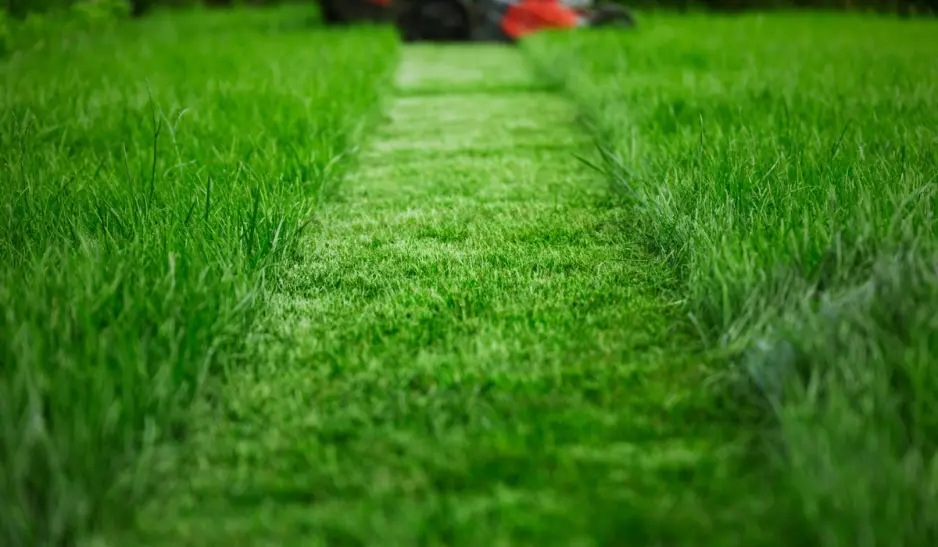
Yes. Regular mowing can help encourage thicker grass growth when done correctly.
Each cut encourages the grass plant to produce new side shoots, which gradually helps the lawn become denser and fuller. Combined with proper feeding, watering, and lawn treatments, regular mowing plays an important role in maintaining a healthier lawn.
Frequently Asked Questions
What is the best height to mow a lawn?
Most lawns benefit from being kept slightly longer rather than cut very short. During summer and dry weather, raising the mower height can help reduce stress on the grass.
How often should you mow your lawn?
This depends on the season and growing conditions. During spring, lawns may need mowing once or twice a week, while growth usually slows during hotter or colder periods.
Is it bad to mow wet grass?
Yes, mowing wet grass can lead to uneven cutting, clumping, and unnecessary stress on the lawn. It can also damage softer, saturated soil.
Should you leave grass clippings on the lawn?
Light clippings can sometimes help return nutrients back into the soil, but heavy clumps should usually be removed to avoid smothering the grass underneath.
Why does my lawn look patchy after mowing?
Patchy lawns after mowing can sometimes be caused by blunt mower blades, uneven cutting heights, mowing too short, or underlying lawn health issues.
A Healthier Lawn Starts with Good Mowing Habits
Mowing is one of the most important parts of lawn care, but it’s not just about keeping the grass short.
The right mowing routine helps encourage healthier growth, improves lawn appearance, and supports stronger, more resilient grass throughout the year.
Combined with regular feeding, watering, and professional lawn treatments where needed, good mowing habits can make a significant difference to the long-term health of your lawn.
Further Reading
Frequently Asked Questions
Got questions about lawn care or our services? We’ve got answers. Visit our FAQ page for helpful information on common lawn concerns, treatment programs, and tips to keep your lawn in top shape.
Read more
Types of Grass
Choosing the right type of grass can make a big difference in how your lawn looks, feels, and grows. Visit our blog to learn about the different types of grass and find the best one for your lawn.
Read More
Lawn Treatment Programmes
Regular treatments ensure your lawn gets the nutrients it needs, helps prevent common lawn issues, and promotes strong, resilient grass. By following a consistent treatment plan, you can enjoy a green lawn that thrives.
Read More