
How to be more sustainable in your garden
Sustainability in the garden goes beyond simply reducing waste—it’s about creating a thriving, eco-friendly space that supports both nature and your wellbeing. By incorporating practices like water conservation, composting, and planting biodiversity, you can reduce your environmental impact while cultivating a beautiful, low-maintenance lawn. Whether you’re looking to attract more wildlife, conserve resources, or simply create a more harmonious outdoor environment, these sustainable gardening tips will help you achieve your goals. Embrace a greener, healthier way to care for your lawn and garden—where every small change adds up to make a big difference.


Garden Green: Sustainable Practices for Your Outdoor Oasis
You can make your lawn more sustainable whilst embracing its wellbeing benefits too.
Garden sustainability is important with long-term rewards, both environmentally and mentally. It’s all about giving back to earth using organic methods, while you reap the rewards.
So, get creative, spend some time in your garden, improve your wellbeing and help the environment all at once. Here are some tips on how you can easily improve your gardens sustainability…
Water Conservation
You can install a water butt and collect rainwater. This saves money but also plants prefer rainwater as it’s acidic, whereas tap water is chalky.
Compost Heap
Home composting is certainly the most environmentally friendly method of dealing with kitchen and garden waste. As a bonus, this waste also produces compost that can be used as an excellent soil improver.

Compost Heap Home composting is certainly the most environmentally friendly method of dealing with kitchen and garden waste. As a bonus, this waste also produces compost that can be used as an excellent soil improver.
Add the ingredients – Aim for between 25%-50% soft green materials such as grass clippings, weeds, fruit and vegetable waste or manure. The remainder should be woody brown material such as hedge trimmings, wood chippings, paper, cardboard (torn up/shredded), straw or dead leaves.
Add water as needed – Make sure the pile stays moist, but not too wet.
Keep things moving – Turn your compost mixture every so often to add air to the mix. This helps speed up the composting process. Turning it once a month should be enough to introduce enough air to the heap.
Wait a while – When the compost no longer gives off heat and becomes dry, brown, and crumbly, it’s fully cooked and ready to be fed to the garden. Garden compost can take between six months to two years to reach maturity.
Biodiverse Plants
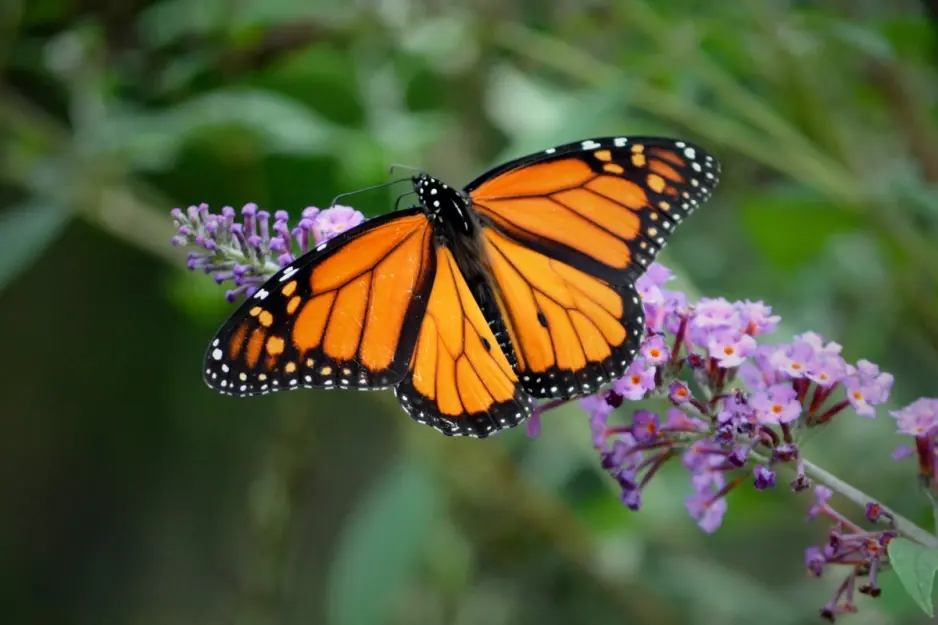
Utilise plants which are beneficial and wildlife friendly. Insects aren’t always pests and can have a positive impact on our gardens. For examples, certain types of tree such as beech, oak, wild cherry and crab apple are home to caterpillars, beetles, etc. which provide a great food source for canopy birds.
Bees and butterflies are also important to maintaining a balanced eco-system. They allow plants to reproduce, creating more homes for birds and the insects they feed off. We’d suggest a mixture of shrubs and plants. For example, wild blackberry and blueberry bushes, and climbers like trumpet creeper. To attract bees, plant flowers which are rich in pollen and nectar such as honeysuckle and crocuses.
Mulching
Leaf Mulching is another great step towards a sustainable garden. Not only will it preserve your garden’s soil from erosion, it also works as a barrier preventing weeds and other grasses from growing. It can also act as insulation for plants, animals, and insects, specifically useful in safeguarding worms from prey.
It is super easy to do and is a great alternative to throwing them away. You need to collect any fallen leaves, avoiding any that are diseased. Then shred the leaves as much as you can and simply spread around and over your plants and flower beds – 2 to 3 inches thick avoiding the stem.
Green Roofs
Buy or create a living mat of plants and wildflowers to top your shred roof. This increases water retention and generates greater biodiversity.
And most importantly, reclaim, reuse, and recycle!
How GreenThumb are sustainable
The products that we use and how we use them is controlled by recognised agencies that enforce environmental related Government guidelines. As a responsible and compliant company, we are always looking to improve our processes and effectiveness when it comes to treating our customers’ lawns.
Oasis
With droughts and hose pipe bans, people are rightly so, concerned about watering their lawns. GreenThumb’s innovative Oasis water conserver treatments reduces the need to water a lawn by up to 80%.
How does it work? This treatment is applied as a liquid spray all over your lawn. It compliments your regular watering regime, keeping your grass hydrated and healthy, but means you water up to 80% less.
Weeds
We will only spot spray active weeds. The herbicides we use only work on existing weeds. If there are no weeds or weed leaves, then the herbicide is simply going into the ground and, therefore, is of no benefit and not appropriate environmentally.
Lawn Treatments
GreenThumb’s ‘’no scorch’’ fertiliser provide lawns with balanced nutritional feeding that lasts over the cause of the year while minimising environmental impact. Fertiliser comes out as a drip feed, so it does not impact the environment or insects. Leatherjackets and Chafer Grubs are managed by using bio-stimulants that deter pests and support plants.
Make Your Garden Greener—In Every Way
Join one of our Lawn Care Programmes and get access to environmentally responsible treatments like Oasis and Target Spraying. Our solutions help you conserve water, avoid chemical overuse, and promote healthier soil and biodiversity—all while keeping your lawn looking its best.

Why Lawn Care Helps
Professional lawn care delivers better results than DIY. Expert treatments and regular maintenance create healthier grass, fewer weeds, and more free time for you to enjoy your lawn.
Read More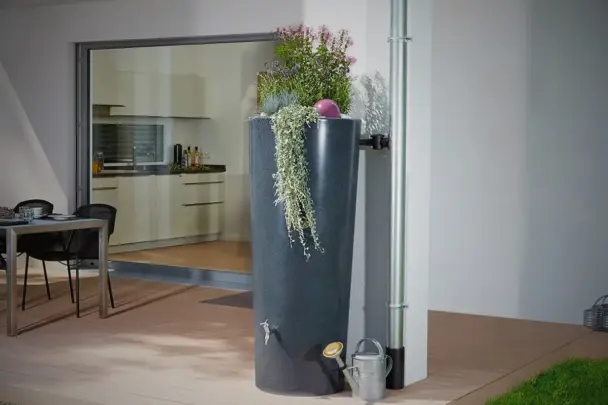
Installing a Water Butt Blog
Installing a water butt allows you to collect rainwater, providing a sustainable and cost-effective water source for your garden. Rainwater is ideal for plants, and using it helps conserve a precious resource.
Read More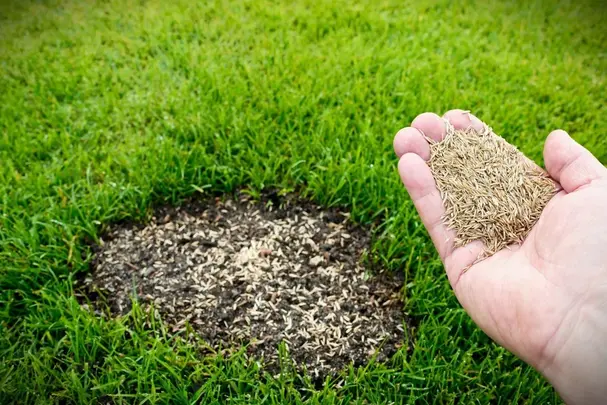
Types of Grass
Choosing the right type of grass can make a big difference in how your lawn looks, feels, and grows. Visit our blog to learn about the different types of grass and find the best one for your lawn.
Read More